Introductionمقدّمة
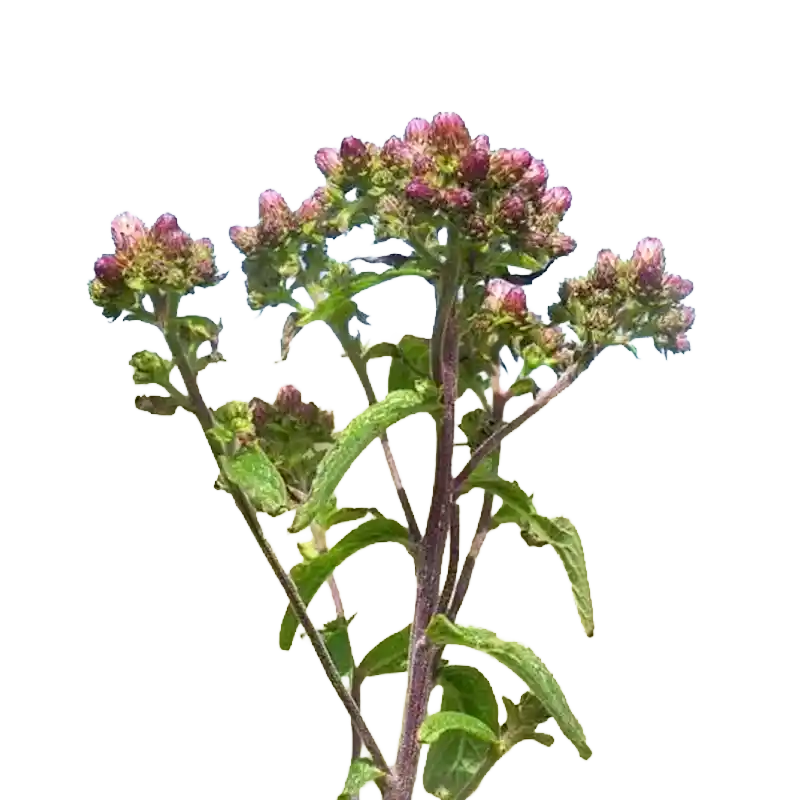
Inula conyza (ploughman's spikenard, great fleabane) is an aromatic daisy-family herb related to elecampane (Inula helenium). Its root and herb are used in folk medicine as an expectorant and antispasmodic for coughs and chest complaints, as an antiseptic wound and skin herb, and — as the name 'fleabane' suggests — burned or strewn to repel fleas and insects.سُنبل الفلّاح (Inula conyza، البرغوثية الكبرى) عشبةٌ عطرية من الفصيلة النجمية قريبةٌ للراسن (Inula helenium). ويُستعمل جذرها وعشبتها في الطبّ الشعبي طارداً للبلغم ومضاداً للتقلّص للسعال وشكاوى الصدر وعشبةً مطهّرة للجروح والجلد و— كما يوحي اسم «البرغوثية» — تُحرَق أو تُنثَر لطرد البراغيث والحشرات.
Categoryالفئة
• Aromatic daisy-family herb (Asteraceae)
• Expectorant & antispasmodic (cough/bronchitis)
• Antimicrobial & antioxidant
• Wound & skin remedy (astringent)
• Insect/flea-repellent (traditional)• عشبة عطرية من الفصيلة النجمية
• طاردة للبلغم ومضادّة للتقلّص (سعال/التهاب قصبات)
• مضادّة للميكروبات والأكسدة
• علاجٌ للجروح والجلد (قابض)
• طاردة للحشرات/البراغيث (تقليدي)
Habitatالموطن
A stout biennial/perennial with woolly stems and small yellow flower heads, of dry calcareous grassland, banks, scrub and woodland edges across Europe.عشبةٌ ثنائية/معمّرة متينة بسيقانٍ زغباء ورؤوس زهرٍ صفراء صغيرة، في المروج الكلسية الجافة والضفاف والأدغال وحواف الغابات عبر أوروبا.
Parts usedالأجزاء المستخدمة
• Root/rhizome
• Flowering herb• الجذر/الجذمور
• العشبة المزهرة
Key constituentsالمكوّنات الفعّالة
• Essential oil (sesquiterpenes)
• Sesquiterpene lactones (bitter)
• Inulin (root)
• Flavonoids
• Phenolic acids• زيت طيّار (سسكِويتربينات)
• لاكتونات سسكِويتربينية (مُرّة)
• إينولين (الجذر)
• فلافونويدات
• أحماض فينولية
Researchالأبحاث
Inula conyza, like other Inula species (notably elecampane), contains an aromatic essential oil, bitter sesquiterpene lactones and inulin with expectorant, antimicrobial and antioxidant activity, supporting its traditional cough, wound and insect-repellent use. Evidence is largely from the genus and is preclinical; I. conyza itself is less individually studied.سُنبل الفلّاح، كسائر أنواع الإينولا (خاصةً الراسن)، يحوي زيتاً طيّاراً عطرياً ولاكتونات سسكِويتربينية مُرّة وإينولين بنشاطٍ طارد للبلغم ومضاد للميكروبات والأكسدة، بما يدعم استعماله التقليدي للسعال والجروح وطرد الحشرات. والأدلة من الجنس غالباً وقبل سريرية؛ وI. conyza نفسه أقلّ دراسةً منفرداً.
Published researchأبحاث منشورة
Traditional useالاستخدام التقليدي
Root and herb used as an expectorant and antispasmodic for coughs, bronchitis, asthma and chest complaints, as an antiseptic astringent on wounds, sores, ulcers and skin problems, for the gums and mouth, and burned/strewn as a fumigant to repel fleas, midges and other insects.يُستعمل الجذر والعشبة طارداً للبلغم ومضاداً للتقلّص للسعال والتهاب القصبات والربو وشكاوى الصدر وقابضاً مطهّراً على الجروح والقروح والقرح ومشكلات الجلد وللّثة والفم، ويُحرَق/يُنثَر مُبخِّراً لطرد البراغيث والبعوض وسائر الحشرات.
Current useالاستخدام الحالي
Used as an expectorant/antiseptic folk herb and traditional insect-repellent; the genus is studied for expectorant and antimicrobial activity.يُستعمل عشبةً شعبية طاردة للبلغم/مطهّرة وطارداً للحشرات تقليدياً؛ والجنس مدروسٌ لنشاطه الطارد للبلغم والمضاد للميكروبات.
Preparationsالتحضيرات
• Root decoction / herb infusion (cough)
• Wound/skin wash
• Fumigant/insect-repellent (burned/strewn)
• Tincture• مغليّ الجذر/نقيع العشبة (للسعال)
• غسول للجروح/الجلد
• مُبخِّر/طارد للحشرات (يُحرَق/يُنثَر)
• صبغة
Used for these conditionsيُستخدم لهذه الحالات
Adult dosageجرعة البالغين
Root decoction or herb infusion in traditional amounts for cough; the same as a wash for wounds/skin; per traditional practice.مغليّ الجذر أو نقيع العشبة بكميات تقليدية للسعال؛ وهو نفسه غسولاً للجروح/الجلد؛ بحسب الممارسة التقليدية.
Child dosageجرعة الأطفال
A weak cough preparation may be used for older children with guidance.قد يُستعمل مستحضر سعالٍ خفيف للأطفال الأكبر بإرشاد.
Cautionتحذيرات
As an Asteraceae plant with sesquiterpene lactones, it can cause allergic skin reactions in daisy/ragweed-sensitive people (elecampane and its relatives are known contact allergens), so patch-test topical use. Avoid concentrated doses in pregnancy; use moderate amounts for cough rather than strong or prolonged dosing.كنبتةٍ نجمية بلاكتونات سسكِويتربينية قد تسبّب تفاعلاتٍ جلدية تحسّسية عند حسّاسي البابونج/الرَّجيد (فالراسن وأقاربه مُحسِّسات تلامسية معروفة)، فيُختبَر الاستعمال الموضعي على رقعة. وتُتجنَّب الجُرَع المركّزة في الحمل؛ وتُستعمل كميات معتدلة للسعال لا جرعةً قوية أو مطوّلة.
Pregnancy & nursingالحمل والرضاعة
Avoid medicinal doses in pregnancy — bitter/aromatic Inula species are traditionally cautioned; not established as safe.تُتجنَّب الجُرَع الطبية في الحمل — أنواع الإينولا المُرّة/العطرية تُحذَّر تقليدياً؛ وغير مثبتة الأمان.