Introductionمقدّمة
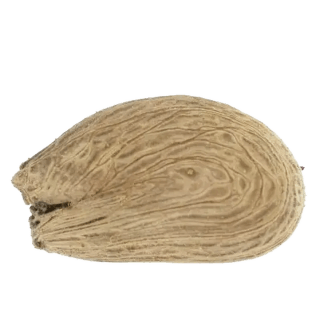
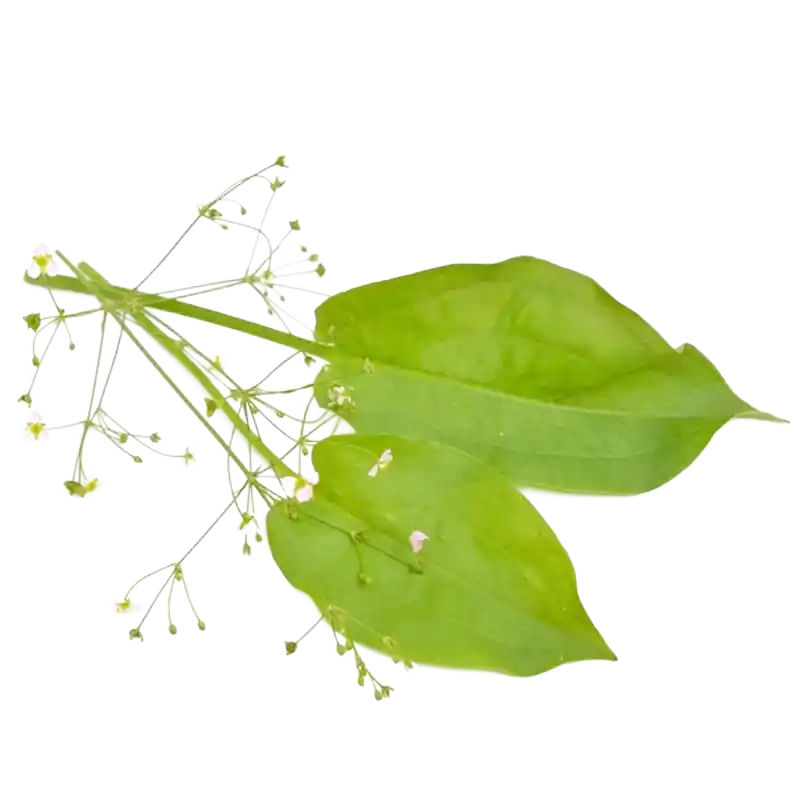
Alisma plantago-aquatica (water plantain) is an aquatic herb whose rhizome is the classic Chinese medicine 'ze xie', one of the main 'damp-draining' diuretics. It is used for fluid retention, urinary problems and to help lower cholesterol/lipids; its alisol triterpenes are the studied actives. It is potent and, at high or prolonged doses, carries liver/kidney cautions.لسان الحمل المائي (Alisma plantago-aquatica) عشبةٌ مائية جذمورها الدواء الصيني الكلاسيكي «زي شيه»، أحد أهمّ مُدرّات البول «المُصرِّفة للرطوبة». ويُستعمل لاحتباس السوائل ومشكلات البول ولإعانة خفض الكوليسترول/الدهون؛ وتريتربيناته الأليزولية هي الفعّالة المدروسة. وهو قويّ، وبالجرعة العالية أو الطويلة عليه محاذير كبدية/كلوية.
Categoryالفئة
• Aquatic diuretic rhizome (Alismataceae)
• Diuretic / 'damp-draining' (TCM ze xie)
• Cholesterol & lipid-lowering (studied)
• Kidney/urinary & oedema support
• CAUTION: high-dose/long-term liver-kidney concerns• جذمور مائي مُدرّ للبول (الفصيلة الوَزّية)
• مُدرّ للبول/«مُصرِّف للرطوبة» (زي شيه في الطبّ الصيني)
• خافض للكوليسترول والدهون (مدروس)
• دعمٌ للكلى/البول والوذمة
• تنبيه: مخاوف كبدية-كلوية بالجرعة العالية/الطويلة
Habitatالموطن
A perennial herb of pond and ditch margins, marshes and slow water across Europe, Asia and North America.عشبةٌ معمّرة على حواف البرك والخنادق والمستنقعات والمياه البطيئة عبر أوروبا وآسيا وأمريكا الشمالية.
Parts usedالأجزاء المستخدمة
• Rhizome/tuber (main)
• Leaves (minor)• الجذمور/الدرنة (رئيسي)
• الأوراق (ثانوي)
Key constituentsالمكوّنات الفعّالة
• Triterpenes (alisols A/B and acetates)
• Sesquiterpenes
• Guaiane derivatives
• Polysaccharides
• Phytosterols• تريتربينات (أليزول A/B وخلاتاتها)
• سسكِويتربينات
• مشتقّات غوايانية
• عديدات سكاريد
• ستيرولات نباتية
Researchالأبحاث
Alisma rhizome ('ze xie') is well studied in Chinese medicine: reviews document diuretic, lipid-lowering (anti-hyperlipidaemic), anti-inflammatory and hepatoprotective activity of its alisol triterpenes, while also noting dose-dependent liver and kidney toxicity at high doses. So its benefits and its toxicity both come from the same potent triterpenes — dosing and duration matter.جذمور الأليزما («زي شيه») مدروسٌ جيداً في الطبّ الصيني: توثّق المراجعات نشاطاً مُدرّاً للبول وخافضاً للدهون ومضاداً للالتهاب وواقياً للكبد لتريتربيناته الأليزولية، مع الإشارة إلى سميّة كبدية وكلوية تعتمد الجرعة عند الجُرَع العالية. ففوائده وسميّته كلاهما من التريتربينات القويّة نفسها — فتهمّ الجرعة والمدّة.
Published researchأبحاث منشورة
Traditional useالاستخدام التقليدي
Used in traditional Chinese medicine ('ze xie') to drain 'damp' and promote urination for oedema, water retention, difficult/scanty urination and urinary infections, for dizziness and phlegm, and to help lower blood lipids and blood pressure; often combined with other herbs.يُستعمل في الطبّ الصيني التقليدي («زي شيه») لتصريف «الرطوبة» وإدرار البول للوذمة واحتباس الماء وعُسر/قلّة البول وعدوى البول وللدوار والبلغم ولإعانة خفض دهون الدم والضغط؛ وكثيراً ما يُركَّب مع أعشابٍ أخرى.
Current useالاستخدام الحالي
Used as a TCM diuretic/lipid-lowering herb in formulas; studied for its alisol triterpenes.يُستعمل عشبةً صينية مُدرّة/خافضة للدهون في التركيبات؛ ويُدرَس لتريتربيناته الأليزولية.
Preparationsالتحضيرات
• Processed rhizome decoction (formula)
• TCM combination formulas
• Powder/extract• مغليّ الجذمور المُعالَج (تركيبة)
• تركيبات صينية مركّبة
• مسحوق/مستخلص
Used for these conditionsيُستخدم لهذه الحالات
Adult dosageجرعة البالغين
Processed rhizome in traditional formula amounts (commonly 6–10 g/day in decoction) under a practitioner; short-term rather than continuous use.الجذمور المُعالَج بكميات التركيبات التقليدية (شائعاً 6–10 غ/يوم في المغليّ) تحت مختصّ؛ استعمالٌ قصير لا مستمرّ.
Child dosageجرعة الأطفال
Only within professionally-prescribed formulas; not for casual use in children.فقط ضمن تركيباتٍ يصفها مختصّ؛ لا للاستعمال العابر عند الأطفال.
Cautionتحذيرات
Because it is a strong diuretic, it can deplete fluids and potassium and add to the effect of diuretic, blood-pressure and lithium medicines. High or prolonged doses have caused liver and kidney injury in reports, so keep to short-term, professionally-guided use, avoid in pregnancy and in existing liver/kidney disease, and stay well hydrated.لأنّه مُدرّ قويّ، قد يستنزف السوائل والبوتاسيوم ويضيف إلى أثر أدوية الإدرار والضغط والليثيوم. وقد سبّبت الجُرَع العالية أو الطويلة أذى كبدياً وكلوياً في تقارير، فيُلتزَم بالاستعمال القصير المُوجَّه من مختصّ، ويُتجنَّب في الحمل وأمراض الكبد/الكلى القائمة، ويُحافَظ على ترطّبٍ جيد.
Pregnancy & nursingالحمل والرضاعة
Avoid in pregnancy — a strong diuretic with dose-dependent toxicity; not established as safe.يُتجنَّب في الحمل — مُدرّ قويّ بسميّةٍ تعتمد الجرعة؛ وغير مثبت الأمان.