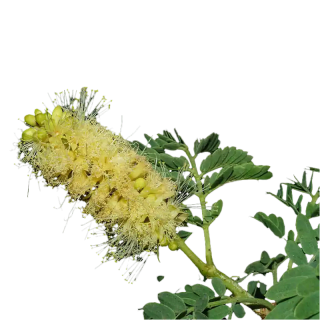
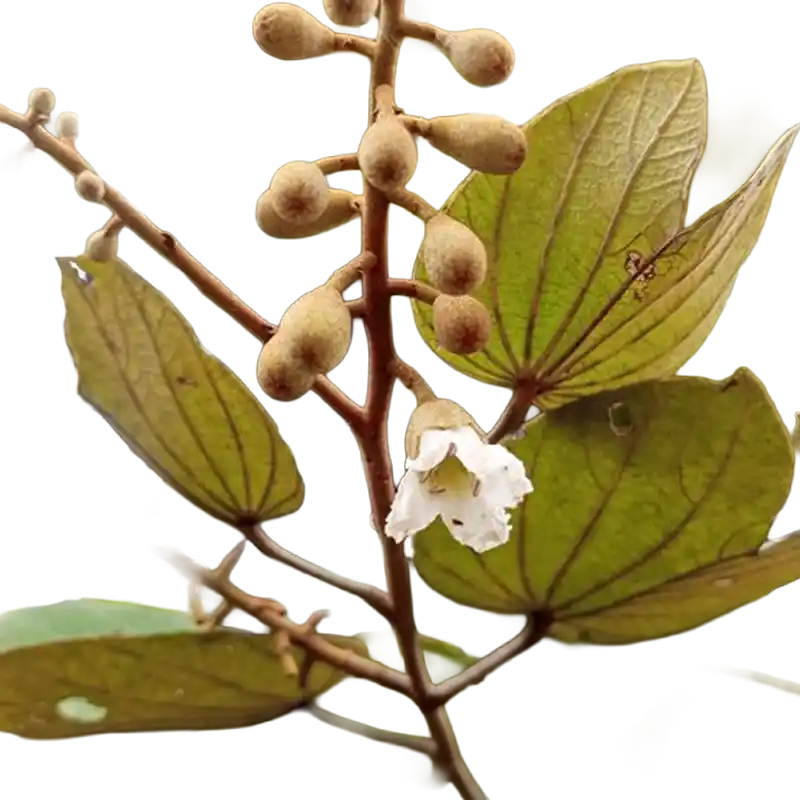
Introductionمقدّمة
Piliostigma thonningii (camel's foot) is the sister species of P. reticulatum, a widespread African tree with two-lobed leaves whose bark, leaves and pods are used for wounds, diarrhoea, ulcers, fevers and infections. Studies confirm antimicrobial, anti-inflammatory and antioxidant activity.قدم الجمل (Piliostigma thonningii) النوع الشقيق لـP. reticulatum، شجرةٌ إفريقية واسعة الانتشار بأوراقٍ ثنائية الفصّ لحاؤها وأوراقها وقرونها تُستعمل للجروح والإسهال والقروح والحمّى والعدوى. وتؤكّد الدراسات نشاطاً مضاداً للميكروبات والالتهاب والأكسدة.
Categoryالفئة
• Sahelian 'camel's foot' tree
• Antimicrobial / anti-inflammatory (studied)
• Antioxidant
• Astringent — wounds & diarrhoea
• Traditional gut, wound & fever remedy• شجرة «قدم الجمل» الساحلية
• مضاد للميكروبات/الالتهاب (مدروس)
• مضاد للأكسدة
• قابض — للجروح والإسهال
• علاجٌ تقليدي للأمعاء والجروح والحمّى
Habitatالموطن
A small tree with camel-footprint-shaped (two-lobed) leaves and woody pods, of savanna across tropical Africa.شجرةٌ صغيرة بأوراقٍ على شكل أثر قدم الجمل (ثنائية الفصّ) وقرونٍ خشبية، في السافانا عبر إفريقيا الاستوائية.
Parts usedالأجزاء المستخدمة
• Bark
• Leaves
• Pods
• Roots• اللحاء
• الأوراق
• القرون
• الجذور
Key constituentsالمكوّنات الفعّالة
• Tannins
• Flavonoids (C-glycosides)
• Triterpenes & sterols
• Saponins
• Phenolic acids• عفص
• فلافونويدات (غليكوزيدات C)
• تريتربينات وستيرولات
• صابونينات
• أحماض فينولية
Researchالأبحاث
Studies and a medicinal-uses review of Piliostigma thonningii confirm antimicrobial (leaf and pod), anti-inflammatory and antioxidant activity from its flavonoids and tannins, supporting its wide traditional use for wounds, diarrhoea, ulcers, fevers and infections. Most evidence is laboratory-based.تؤكّد الدراسات ومراجعةٌ للاستعمالات الدوائية لقدم الجمل نشاطاً مضاداً للميكروبات (الورق والقرون) والالتهاب والأكسدة من فلافونويداتها وعفصها، بما يدعم استعمالها التقليدي الواسع للجروح والإسهال والقروح والحمّى والعدوى. ومعظم الأدلة مخبرية.
Published researchأبحاث منشورة
Traditional useالاستخدام التقليدي
Used across Africa for wounds, sores and ulcers, diarrhoea and dysentery, stomach and menstrual complaints, fevers and malaria, coughs, toothache, and skin and mouth infections; the pulp of the pods is also eaten.تُستعمل في إفريقيا للجروح والقروح والتقرّحات والإسهال والزحار وشكاوى المعدة والطمث والحمّى والملاريا والسعال وألم الأسنان وعدوى الجلد والفم؛ ولبّ القرون يُؤكَل أيضاً.
Current useالاستخدام الحالي
Used in African traditional medicine as bark/leaf/pod decoctions and washes; studied for antimicrobial compounds.تُستعمل في الطبّ التقليدي الإفريقي مغليّ لحاء/ورق/قرون وغسولاً؛ وتُدرَس لمركّباتها المضادة للميكروبات.
Preparationsالتحضيرات
Bark/leaf/pod decoction, Wound wash, Powderمغليّ لحاء/ورق/قرون، غسول جروح، مسحوق
Used for these conditionsيُستخدم لهذه الحالات
Adult dosageجرعة البالغين
Bark/leaf decoction in traditional amounts per practitioner; astringent.مغليّ لحاء/ورق بكميات تقليدية بحسب المختصّ؛ قابض.
Child dosageجرعة الأطفال
External use with guidance; mild preparations for children's diarrhoea under guidance.الاستعمال الخارجي بإشراف؛ وتحضيراتٌ خفيفة لإسهال الأطفال بإشراف.
Cautionتحذيرات
Generally used safely in traditional amounts. The tannin-rich bark/pods can upset the stomach and reduce iron/medicine absorption in large or prolonged doses (space them out). Safety data are limited, so use modest amounts. Seek medical care for malaria or severe diarrhoea.تُستعمل بأمانٍ عموماً بالكميات التقليدية. وقد يُزعِج اللحاء/القرون الغنيّ بالتانين المعدة ويقلّل امتصاص الحديد/الأدوية بالجرعات الكبيرة أو المطوّلة (باعِد بينها). وبيانات الأمان محدودة، فاستعمِل كميات معتدلة. واطلب الرعاية الطبية للملاريا أو الإسهال الشديد.
Pregnancy & nursingالحمل والرضاعة
Avoid concentrated medicinal doses in pregnancy — not established as safe.تُتجنَّب الجرعات الدوائية المركّزة في الحمل — غير مثبتة الأمان.