Introductionمقدّمة
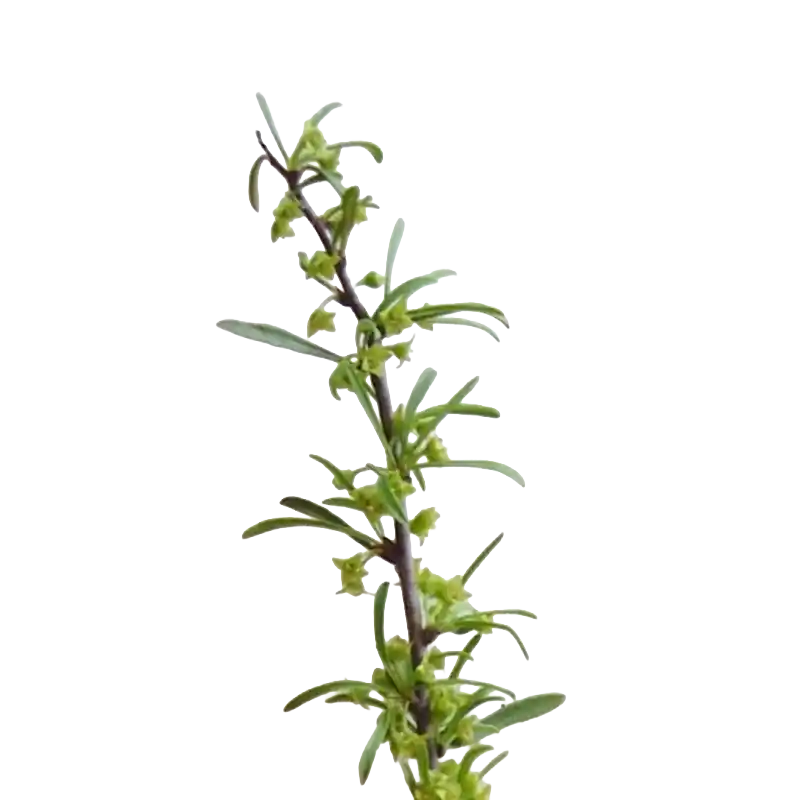
Rhamnus lycioides (Mediterranean buckthorn) is a spiny shrub of dry Mediterranean scrub. Its leaves are rich in antioxidant polyphenols and show enzyme-inhibiting (anti-cholinesterase) activity; its berries have a traditional laxative use.العَوسج المتوسّطي (Rhamnus lycioides) شُجيرةٌ شائكة في أحراش المتوسّط الجافّة. وأوراقه غنيّة بالبوليفينولات المضادة للأكسدة وتُظهِر نشاطاً مثبّطاً للإنزيم (مضاداً للكولين استراز)؛ ولثماره استعمالٌ مليّن تقليدي.
Categoryالفئة
• Buckthorn family
• Antioxidant
• Anti-acetylcholinesterase (preclinical)
• Astringent / laxative (traditional)
• Dye & folk-medicine shrub• من فصيلة العَوسج
• مضاد للأكسدة
• مثبّط أستيل كولين استراز (أوّلي)
• قابض/مليّن (تقليدي)
• شُجيرة صِبغة وطبٍّ شعبي
Habitatالموطن
A thorny, small-leaved evergreen shrub of arid Mediterranean hillsides and garrigue.شُجيرةٌ دائمة الخُضرة شائكة صغيرة الأوراق في سفوح المتوسّط القاحلة والأحراش المنخفضة.
Parts usedالأجزاء المستخدمة
• Leaves
• Berries
• Bark• الأوراق
• الثمار
• اللحاء
Key constituentsالمكوّنات الفعّالة
• Flavonoids
• Phenolic acids
• Anthraquinones (berries/bark)
• Tannins• فلافونويدات
• أحماض فينولية
• أنثراكينونات (الثمار/اللحاء)
• عفص
Researchالأبحاث
Studies of Rhamnus lycioides leaf extracts report significant antioxidant capacity and inhibition of acetylcholinesterase (of interest for neuroprotection), and reviews of the genus describe its polyphenol chemistry and laxative anthraquinones. Evidence is preclinical.تذكر دراسات مستخلصات أوراق العَوسج المتوسّطي قدرةً مضادة للأكسدة معتبرة وتثبيطاً لأستيل كولين استراز (مهمّ لحماية الأعصاب)، وتصف مراجعات الجنس كيمياءه البوليفينولية وأنثراكيناته المليّنة. والأدلة أوّلية.
Published researchأبحاث منشورة
Traditional useالاستخدام التقليدي
Used in Mediterranean folk medicine as an astringent for the gut and mouth, a mild laxative (berries), and for the skin; also a source of yellow dye.يُستعمل في الطبّ الشعبي المتوسّطي قابضاً للأمعاء والفم، ومليّناً خفيفاً (الثمار)، وللجلد؛ وهو أيضاً مصدر صِبغةٍ صفراء.
Current useالاستخدام الحالي
Chiefly traditional and of research interest; the leaves are studied for antioxidant and neuro-enzyme effects.تقليديّ أساساً وذو أهمية بحثية؛ وتُدرَس الأوراق لتأثيراتها المضادة للأكسدة والإنزيمية العصبية.
Preparationsالتحضيرات
Leaf infusion, Berry laxative (short-term), Natural dyeنقيع أوراق، مليّن ثمار (قصير الأمد)، صِبغة طبيعية
Used for these conditionsيُستخدم لهذه الحالات
Adult dosageجرعة البالغين
No standardised dose — traditional leaf infusion; berries only in small laxative amounts.لا جرعة موحّدة — نقيع أوراق تقليدي؛ والثمار بكميات مليّنة صغيرة فقط.
Child dosageجرعة الأطفال
Not recommended as a laxative for children.لا يُنصَح به مليّناً للأطفال.
Cautionتحذيرات
As with other buckthorns, the anthraquinone-rich berries and bark are strongly laxative — avoid overuse and prolonged use, which can cause cramping and fluid loss. The leaves are gentler. Correctly identify the plant, as buckthorn berries can be mistaken for edible fruit.كسائر أنواع العَوسج، الثمار واللحاء الغنيّة بالأنثراكينون مليّنة بقوة — تجنّب الإفراط والاستعمال المطوّل الذي قد يسبّب مغصاً وفقدان سوائل. والأوراق ألطف. وتعرّف على النبتة بدقّة فقد تُخلَط ثمار العَوسج بثمارٍ صالحة للأكل.
Pregnancy & nursingالحمل والرضاعة
Avoid the laxative berries/bark in pregnancy.تُتجنَّب الثمار/اللحاء المليّنة في الحمل.