Introductionمقدّمة
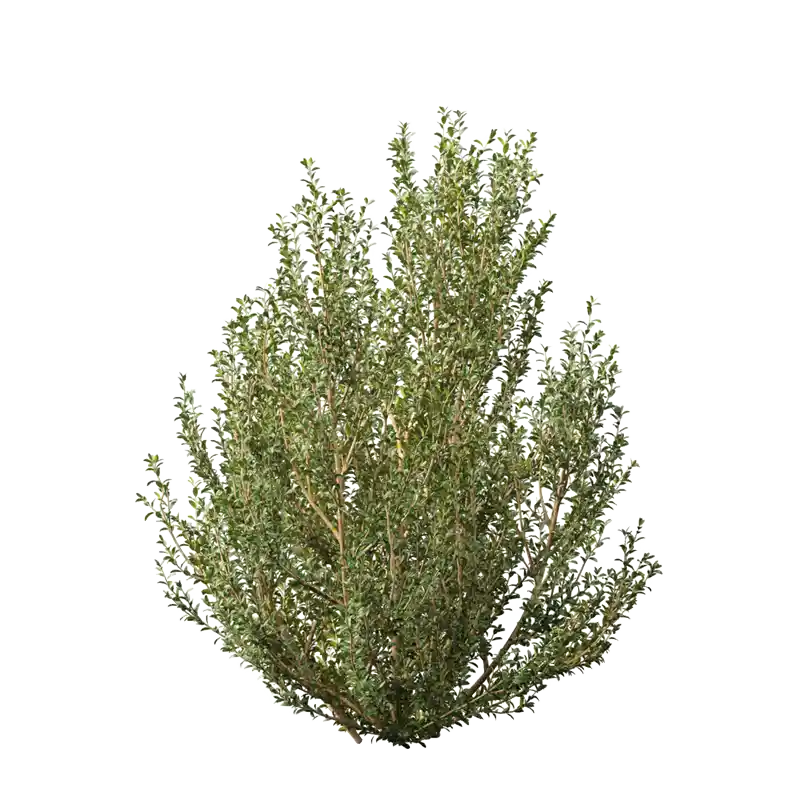
Rhamnus alaternus (Italian/Mediterranean buckthorn) is an evergreen shrub whose leaves and bark are used in North-African and Mediterranean folk medicine for the liver, jaundice and as a gentle laxative. Studies confirm antioxidant and liver-protective activity.العَوسج الإيطالي (Rhamnus alaternus) شُجيرةٌ دائمة الخُضرة تُستعمل أوراقها ولحاؤها في الطبّ الشعبي المغاربي والمتوسّطي للكبد واليرقان ومليّناً لطيفاً. وتؤكّد الدراسات نشاطاً مضاداً للأكسدة وواقياً للكبد.
Categoryالفئة
• Buckthorn family
• Antioxidant
• Hepatoprotective (preclinical)
• Anti-inflammatory
• Traditional laxative & liver herb• من فصيلة العَوسج
• مضاد للأكسدة
• واقٍ للكبد (أوّلي)
• مضاد للالتهاب
• مليّن وعشبة كبدٍ تقليدية
Habitatالموطن
A dense evergreen shrub of Mediterranean scrub and hedges, with glossy leaves and small red-to-black berries.شُجيرةٌ دائمة الخُضرة كثيفة في أحراش وأسيجة المتوسّط، بأوراقٍ لمّاعة وثمارٍ صغيرة حمراء إلى سوداء.
Parts usedالأجزاء المستخدمة
• Leaves
• Bark
• Berries (traditional)• الأوراق
• اللحاء
• الثمار (تقليدي)
Key constituentsالمكوّنات الفعّالة
• Flavonoids (kaempferol, rhamnetin)
• Anthraquinones (in bark/berries)
• Phenolic acids
• Tannins• فلافونويدات (كامفيرول، رامنيتين)
• أنثراكينونات (في اللحاء/الثمار)
• أحماض فينولية
• عفص
Researchالأبحاث
Animal and laboratory studies show Rhamnus alaternus leaf extracts protect the liver against chemical injury (e.g. carbon tetrachloride, ethanol) and have strong antioxidant and anti-inflammatory activity, supporting the traditional 'liver' use. The anthraquinones in bark and berries give a laxative effect. Human trials are lacking.تُظهِر دراسات الحيوان والمختبر أن مستخلصات أوراق العَوسج الإيطالي تحمي الكبد من الأذى الكيميائي (كرابع كلوريد الكربون والإيثانول) ولها نشاطٌ قويّ مضاد للأكسدة والالتهاب، بما يدعم الاستعمال «الكبديّ» التقليدي. وتُعطي الأنثراكينونات في اللحاء والثمار أثراً مليّناً. وتنقص التجارب البشرية.
Published researchأبحاث منشورة
Traditional useالاستخدام التقليدي
Used across North Africa and the Mediterranean for the liver and jaundice, as a 'blood purifier', a gentle laxative, and for skin and the mouth.يُستعمل في شمال إفريقيا والمتوسّط للكبد واليرقان، «مُنقّياً للدم»، ومليّناً لطيفاً، وللجلد والفم.
Current useالاستخدام الحالي
Used in traditional liver and laxative preparations; extracts studied for antioxidant and hepatoprotective effects.يُستعمل في تحضيرات الكبد والتليين التقليدية؛ وتُدرَس المستخلصات لتأثيراتها المضادة للأكسدة والواقية للكبد.
Preparationsالتحضيرات
Leaf infusion, Decoction, Bark laxative (short-term)نقيع أوراق، مغليّ، مليّن لحاء (قصير الأمد)
Used for these conditionsيُستخدم لهذه الحالات
Adult dosageجرعة البالغين
Leaf infusion/decoction per traditional practitioner; bark/berries only in small laxative amounts.نقيع/مغليّ أوراق بحسب المختصّ التقليدي؛ واللحاء/الثمار بكميات مليّنة صغيرة فقط.
Child dosageجرعة الأطفال
Not recommended as a laxative for children.لا يُنصَح به مليّناً للأطفال.
Cautionتحذيرات
The leaves are the gentler part; the anthraquinone-containing bark and unripe berries are strongly laxative and can cause cramping and, with overuse, fluid/electrolyte loss — do not use long-term. Avoid with bowel obstruction. Keep the berries away from children.الأوراق الجزء الألطف؛ واللحاء والثمار غير الناضجة المحتوية على الأنثراكينون مليّنة بقوة وقد تسبّب مغصاً، ومع الإفراط فقدان سوائل/أملاح — لا يُستعمل طويل الأمد. يُتجنَّب مع انسداد الأمعاء. وأبعِد الثمار عن الأطفال.
Pregnancy & nursingالحمل والرضاعة
Avoid the laxative bark/berries in pregnancy; the anthraquinones can stimulate the bowel and uterus.تُتجنَّب الثمار/اللحاء المليّنة في الحمل؛ فقد تُنبِّه الأنثراكينونات الأمعاء والرحم.