Introductionمقدّمة
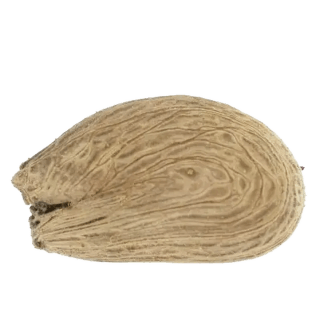
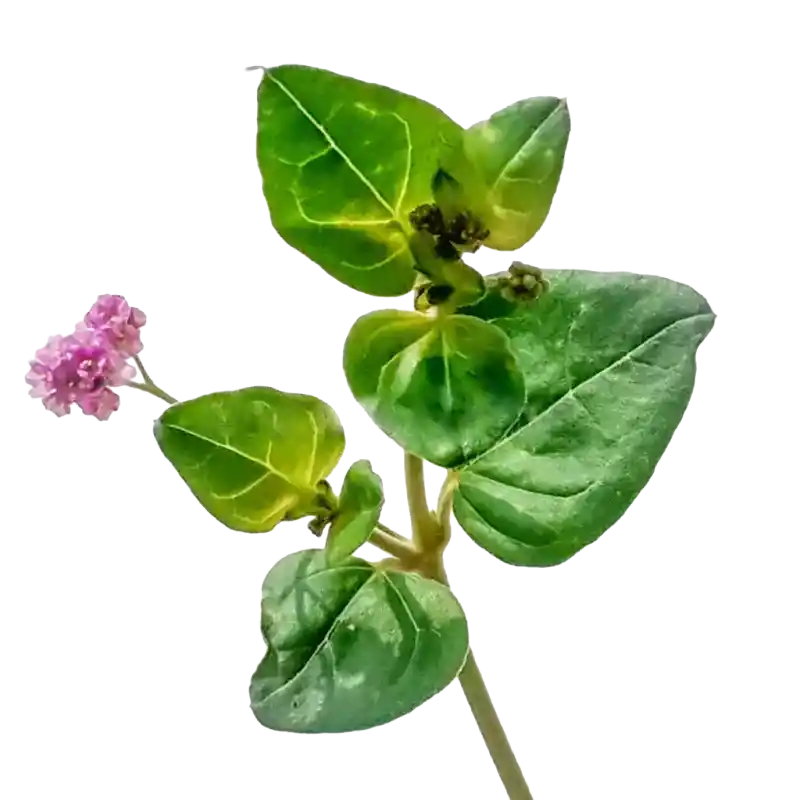
Boerhavia diffusa — Punarnava, “that which renews” — is a sprawling herb central to Ayurveda for fluid retention and liver and kidney complaints, prized as a gentle diuretic and rejuvenative.البورهافيا المنتشرة — بونارنافا، أي «ما يُجدِّد» — عشبةٌ زاحفة محوريةٌ في الأيورفيدا لاحتباس السوائل وأمراض الكبد والكلى، تُقدَّر مُدرّاً لطيفاً للبول ومُجدِّداً.
Categoryالفئة
• Diuretic
• Hepatoprotective
• Anti-inflammatory
• Antioxidant
• Rejuvenative (Rasayana)• مُدرّ للبول
• واقٍ للكبد
• مضاد للالتهاب
• مضاد للأكسدة
• مُجدِّد (رسايانا)
Habitatالموطن
A common weed of waste ground and roadsides across India, Africa and warm regions worldwide, thriving in the rainy season.عشبةٌ شائعة في الأراضي البور وحواف الطرق في الهند وإفريقيا والمناطق الدافئة حول العالم، تزدهر في موسم المطر.
Parts usedالأجزاء المستخدمة
• Root (primary)
• Whole plant
• Leaves• الجذر (الأساس)
• النبات كاملاً
• الأوراق
Key constituentsالمكوّنات الفعّالة
• Rotenoids (boeravinones A–J)
• Alkaloid punarnavine
• Flavonoids & lignans
• Sterols (β-sitosterol)
• Punarnavoside• روتينويدات (بويرافينونات A–J)
• قلويد بونارنافين
• فلافونويدات وليجنانات
• ستيرولات (بيتا-سيتوستيرول)
• بونارنافوزيد
Researchالأبحاث
Animal and laboratory studies support diuretic, liver-protective and anti-inflammatory actions of the root, attributed to boeravinones and punarnavine; a classic study showed protection against chemical liver injury. Rigorous human trials are still lacking.تدعم دراسات الحيوان والمختبر التأثيرات المُدرّة للبول والواقية للكبد والمضادة للالتهاب للجذر، وتُعزى إلى البويرافينونات والبونارنافين؛ وأظهرت دراسةٌ كلاسيكية حمايةً من أذى الكبد الكيميائي. وما زالت تنقص التجارب البشرية الدقيقة.
Published researchأبحاث منشورة
↗ Hepatoprotective activity of Boerhaavia diffusa roots — a popular Indian ethnomedicineTraditional useالاستخدام التقليدي
Used in Ayurveda for oedema and fluid retention, kidney and urinary complaints, liver disorders and jaundice, anaemia and general debility.تُستعمل في الأيورفيدا للوذمة واحتباس السوائل وأمراض الكلى والمسالك البولية واضطرابات الكبد واليرقان وفقر الدم والوهن العام.
Current useالاستخدام الحالي
Taken as root powder, decoction, fresh juice or standardised extracts, and included in many Ayurvedic liver and kidney formulas.تُؤخذ كمسحوق جذر أو مغليّ أو عصير طازج أو مستخلصات مِعيارية، وتدخل في كثير من التركيبات الأيورفيدية للكبد والكلى.
Preparationsالتحضيرات
Powder, Decoction, Extract, Fresh juiceمسحوق، مغليّ، مستخلص، عصير طازج
Used for these conditionsيُستخدم لهذه الحالات
Adult dosageجرعة البالغين
Traditional: about 1–3 g of root powder, or 300–500 mg of extract, daily under practitioner guidance.تقليدياً: نحو 1–3 غ من مسحوق الجذر، أو 300–500 ملغ من المستخلص، يومياً بإرشاد مختصّ.
Child dosageجرعة الأطفال
Not recommended for children except under professional care.لا يُنصَح به للأطفال إلا برعاية مختصّ.
Cautionتحذيرات
Its diuretic effect can add to prescription diuretics and blood-pressure medicines and may affect potassium and fluid balance; use caution in kidney disease and monitor if combined with such drugs. Confirm identity, as related species are sometimes substituted.قد يُضاف أثره المُدرّ للبول إلى مُدرّات البول وأدوية الضغط الموصوفة وقد يؤثّر في توازن البوتاسيوم والسوائل؛ يُتوخّى الحذر في أمراض الكلى وتُراقَب الحالة عند الجمع مع تلك الأدوية. وتأكّد من صحّة النوع، فقد تُستبدَل به أنواعٌ قريبة.
Pregnancy & nursingالحمل والرضاعة
Avoid in pregnancy — traditionally regarded as uterine-stimulating; avoid in breastfeeding for lack of data.يُتجنَّب في الحمل — يُعدّ تقليدياً منشّطاً للرحم؛ ويُتجنَّب في الرضاعة لغياب البيانات.