Introductionمقدّمة
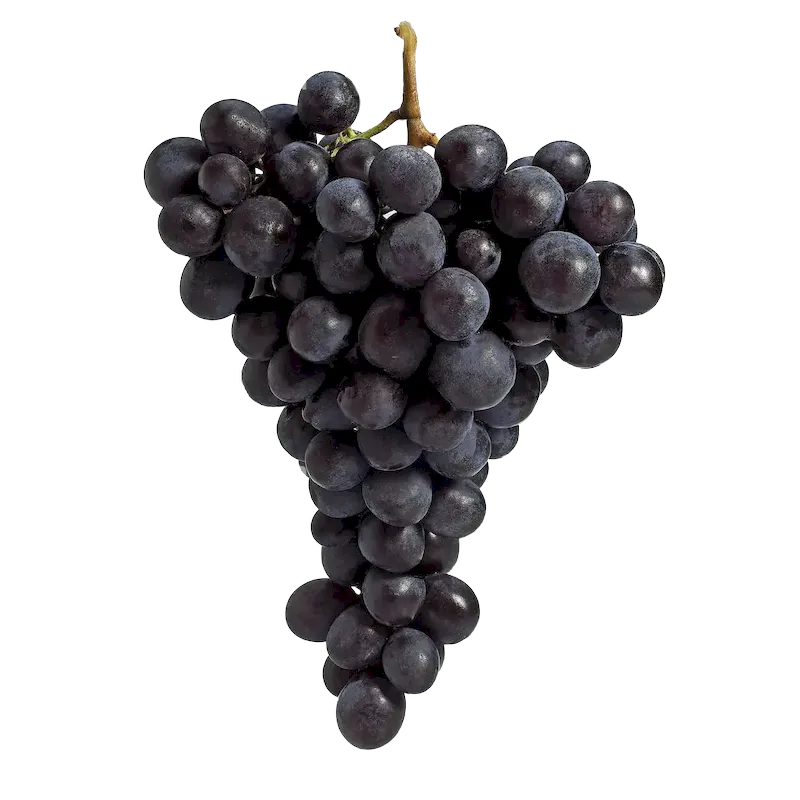
Grape, scientifically known as Vitis vinifera, is a woody vine native to the Mediterranean region and central Europe. It is widely cultivated for its juicy, sweet berries known as grapes and for their potential health benefits, particularly the compounds found in the skin and seeds. العنب، المعروف علمياً باسم Vitis vinifera، هو نبات متسلق خشبي موطنه الأصلي منطقة البحر الأبيض المتوسط ووسط أوروبا. يُزرع على نطاق واسع لثماره العصيرية الحلوة المعروفة بالعنب، ولفوائده الصحية المحتملة، وخاصة المركبات الموجودة في قشرته وبذوره.
Categoryالفئة
• Antioxidant properties
• Potential cardiovascular support
• Traditional use for winemaking and culinary purposes• خصائص مضادة للأكسدة
• دعم محتمل لصحة القلب والأوعية الدموية
• استخدام تقليدي في صناعة النبيذ والطهي
Habitatالموطن
Grapes are cultivated in various parts of the world, with different varieties adapted to different climates. Grapes are known for their rich content of polyphenols, including resveratrol. The entire grape plant, including the fruit, skin, and seeds, is used for various purposes.تُزرع العنب في مناطق مختلفة من العالم، وتتنوع أصنافها لتناسب المناخات المختلفة. يُعرف العنب بمحتواه الغني من البوليفينولات، بما في ذلك الريسفيراترول. ويُستخدم نبات العنب بأكمله، بما في ذلك الثمرة والقشرة والبذور، لأغراض متنوعة.
Parts usedالأجزاء المستخدمة
• Fruit
• Skin
• Seeds• فاكهة
• قشرة
• بذور
Key constituentsالمكوّنات الفعّالة
• Grape skin: polyphenols dominated by anthocyanins in red varieties (e.g., malvidin‑3‑glucoside and other anthocyanin‑3‑O‑glucosides), flavonols (3‑O‑glucosides of quercetin, myricetin and kaempferol), resveratrol and other stilbenes.
• Grape seeds: rich in proanthocyanidins (condensed tannins) built from catechin and epicatechin units (monomeric catechin, epicatechin plus oligomeric and polymeric procyanidins), along with gallic acid and its esters.
• Pulp/juice: lower total phenolics, but contains organic acids (tartaric, malic), simple sugars (glucose, fructose), minerals and small amounts of phenolic acids and flavan‑3‑ols.• قشر العنب: يحتوي على البوليفينولات، وخاصة الأنثوسيانين في الأصناف الحمراء (مثل مالفيدين-3-غلوكوزيد وأنواع أخرى من أنثوسيانين-3-O-غلوكوزيد)، والفلافونولات (3-O-غلوكوزيدات الكيرسيتين والميريسيتين والكامفيرول)، والريسفيراترول، وغيرها من الستيلبينات.
• بذور العنب: غنية بالبروانثوسيانيدينات (التانينات المكثفة) المكونة من وحدات الكاتشين والإبيكاتشين (الكاتشين الأحادي، والإبيكاتشين بالإضافة إلى البروسيانيدينات قليلة الوحدات ومتعددة الوحدات)، إلى جانب حمض الغاليك وإستراته.
• اللب/العصير: يحتوي على نسبة أقل من الفينولات الكلية، ولكنه يحتوي على أحماض عضوية (الطرطريك، والماليك)، وسكريات بسيطة (الجلوكوز، والفركتوز)، ومعادن، وكميات قليلة من الأحماض الفينولية والفلافان-3-أولات.
Researchالأبحاث
Research on grapes has focused on their polyphenolic compounds, such as resveratrol, and their potential antioxidant and cardiovascular benefits. Grapes are used in winemaking, culinary dishes, and dietary supplements. ركزت الأبحاث على العنب على مركباته البوليفينولية، مثل الريسفيراترول، وفوائده المحتملة كمضاد للأكسدة وفوائده لصحة القلب والأوعية الدموية. يُستخدم العنب في صناعة النبيذ، والأطباق، والمكملات الغذائية.
Published researchأبحاث منشورة
↗ The effects of grape seed extract on glycemic control, serum lipoproteins, inflammation, and body weight: A systematic review and meta-analysis of randomized controlled trials↗ The effect of grapes/grape products on glycemic response: A systematic review and meta-analysis of randomized controlled trials↗ Effects of grape products on blood lipids: a systematic review and dose-response meta-analysis of randomized controlled trialsTraditional useالاستخدام التقليدي
Grapes have a long history of use in winemaking, culinary dishes, and traditional remedies. Various parts of the grape plant, including the fruit, skin, and seeds, are utilized for their potential health benefits and culinary uses. للعنب تاريخ طويل من الاستخدام في صناعة النبيذ، والأطباق، والعلاجات التقليدية. وتُستخدم أجزاء مختلفة من نبات العنب، بما في ذلك الثمرة والقشرة والبذور، لفوائدها الصحية المحتملة واستخداماتها في الطهي.
Current useالاستخدام الحالي
Grapes can be consumed fresh, dried (raisins), or used in winemaking and culinary preparations. Extracts and supplements are also available for their potential health benefits. Grapes are traditionally used in various forms for culinary and therapeutic purposes. يمكن تناول العنب طازجًا أو مجففًا (زبيبًا)، أو استخدامه في صناعة النبيذ والطهي. كما تتوفر مستخلصات ومكملات غذائية لما لها من فوائد صحية محتملة. ويُستخدم العنب تقليديًا بأشكال متنوعة لأغراض الطهي والعلاج.
Preparationsالتحضيرات
Culinary, Extract, Supplement, Whole (Fresh/Dried)طهي, كامل (طازج/مجفف), مستخلص جاف, مكمل غذائي
Used for these conditionsيُستخدم لهذه الحالات
Adult dosageجرعة البالغين
Dosage recommendations for grape products, including grape extracts and supplements, may vary based on the specific product and intended use. It is advisable to follow product instructions or consult with a healthcare provider for personalized recommendations.قد تختلف توصيات الجرعات لمنتجات العنب، بما في ذلك مستخلصات العنب والمكملات الغذائية، باختلاف المنتج المحدد والاستخدام المقصود. يُنصح باتباع تعليمات المنتج أو استشارة مقدم الرعاية الصحية للحصول على توصيات مُخصصة.
Child dosageجرعة الأطفال
Consult with a healthcare provider for appropriate dosages for children based on their age and specific needs. استشر مقدم الرعاية الصحية لتحديد الجرعات المناسبة للأطفال بناءً على أعمارهم واحتياجاتهم الخاصة.
Cautionتحذيرات
Grapes are generally considered safe when consumed in moderation as part of a balanced diet. However, excessive consumption of alcohol from grape products (wine) can have adverse effects. Individuals with allergies or sensitivities should exercise caution. Consult with a healthcare provider if you have specific health concerns. يُعتبر العنب آمناً بشكل عام عند تناوله باعتدال كجزء من نظام غذائي متوازن. مع ذلك، فإن الإفراط في تناول الكحول المُستخلص من منتجات العنب (كالنبيذ) قد يُسبب آثاراً جانبية. لذا، يُنصح الأشخاص الذين يعانون من الحساسية أو عدم تحمل الكحول بتوخي الحذر. استشر طبيبك إذا كانت لديك أي مخاوف صحية.