Introductionمقدّمة
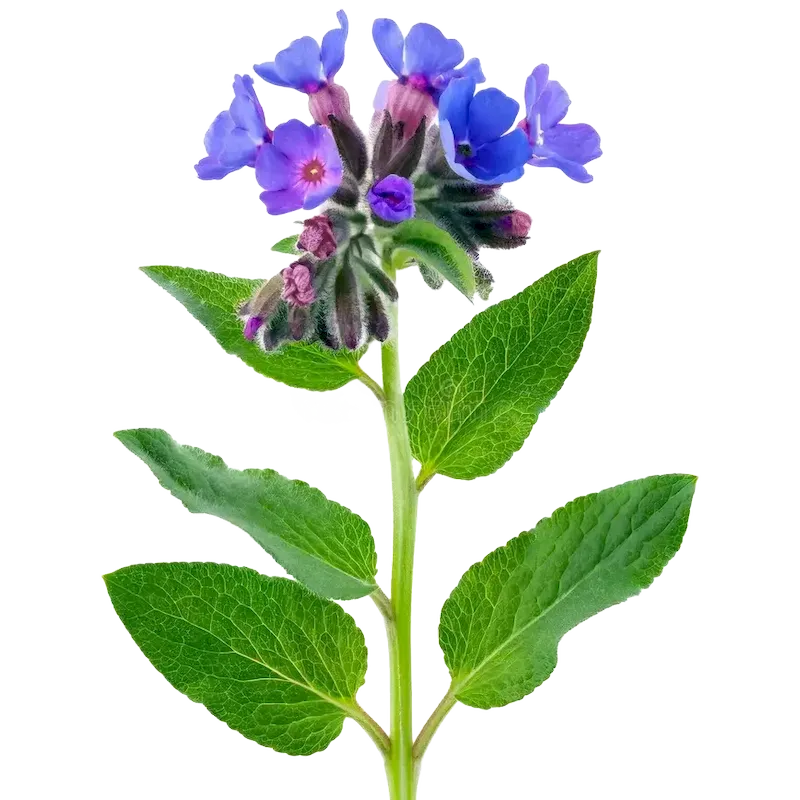
Lungwort, scientifically known as Pulmonaria officinalis, is a perennial herb belonging to the Boraginaceae family. It is recognized for its distinctive spotted leaves and has a history of use in traditional herbal medicine for potential respiratory benefits. نبات الرئة، المعروف علمياً باسم Pulmonaria officinalis، هو عشب معمر ينتمي إلى الفصيلة البوراجينية. ويُعرف بأوراقه المرقطة المميزة، وله تاريخ طويل من الاستخدام في الطب العشبي التقليدي لفوائده المحتملة للجهاز التنفسي.
Categoryالفئة
• Traditional use for respiratory support
• Potential demulcent and astringent effects• الاستخدام التقليدي لدعم الجهاز التنفسي
• تأثيرات محتملة ملطفة وقابضة
Habitatالموطن
Lungwort is native to Europe and can be found in woodlands and shady areas with moist, well-drained soil. It is cultivated for its leaves and aerial parts, which are used for their potential therapeutic properties. Lungwort is traditionally associated with respiratory health.نبات الرئة موطنه الأصلي أوروبا، وينمو في الغابات والمناطق الظليلة ذات التربة الرطبة جيدة التصريف. يُزرع هذا النبات لأوراقه وأجزائه الهوائية، التي تُستخدم لخصائصها العلاجية المحتملة. ويرتبط نبات الرئة تقليديًا بصحة الجهاز التنفسي.
Parts usedالأجزاء المستخدمة
• Leaves
• Aerial parts• الأوراق
• الأجزاء الهوائية
Key constituentsالمكوّنات الفعّالة
• Phenolic acids: rosmarinic acid as a dominant compound, with other hydroxycinnamic/benzoic acids such as caffeic, chlorogenic, lithospermic, salvianolic and yunnaneic acids and their derivatives.
• Flavonoids: quercetin and kaempferol derivatives (including rutin and hyperoside), plus other flavonols contributing to antioxidant activity.
• Allantoin: present in notable amounts, associated with mucosal-soothing and epithelial-supporting actions.
• Tannins and polyphenols: condensed and hydrolysable tannins, catechol-type tannins and a high total polyphenol fraction.
• Saponins and mucilage: triterpenoid saponins and mucilaginous polysaccharides that support demulcent effects on respiratory mucosa.
• Silicic acid and minerals: silicic acid (silica) and its soluble salts, along with vitamin C and carotenoids such as beta-carotene.
• الأحماض الفينولية: حمض الروزمارينيك كمركب رئيسي، إلى جانب أحماض هيدروكسي سيناميك/بنزويك أخرى مثل حمض الكافيين، وحمض الكلوروجينيك، وحمض الليثوسبيرميك، وحمض السلفيانوليك، وحمض اليونانيك ومشتقاتها.
• الفلافونويدات: مشتقات الكيرسيتين والكامفيرول (بما في ذلك الروتين والهايبروسيد)، بالإضافة إلى فلافونولات أخرى تساهم في النشاط المضاد للأكسدة.
• الألانتوين: موجود بكميات ملحوظة، ويرتبط بتأثيرات ملطفة للغشاء المخاطي وداعمة للظهارة.
• التانينات والبوليفينولات: التانينات المكثفة والقابلة للتحلل، والتانينات من نوع الكاتيكول، وجزء كبير من البوليفينولات الكلية.
• الصابونينات والمواد الهلامية: صابونينات ثلاثية التربينويد وعديدات السكاريد الهلامية التي تدعم التأثيرات الملطفة على الغشاء المخاطي التنفسي.
• حمض السيليسيك والمعادن: حمض السيليسيك (السيليكا) وأملاحه القابلة للذوبان، إلى جانب فيتامين ج والكاروتينات مثل بيتا كاروتين.
Researchالأبحاث
Research on Lungwort has explored its chemical constituents, including saponins, flavonoids, and tannins, and its potential respiratory support. It is traditionally used in herbal remedies for respiratory health.استكشفت الأبحاث التي أُجريت على نبات الرئة مكوناته الكيميائية، بما في ذلك الصابونين والفلافونويدات والتانينات، وفوائده المحتملة في دعم الجهاز التنفسي. ويُستخدم تقليديًا في العلاجات العشبية لصحة الجهاز التنفسي.
Traditional useالاستخدام التقليدي
Lungwort leaves and aerial parts are traditionally used for their potential respiratory benefits. They can be prepared as herbal infusions, tinctures, or incorporated into traditional remedies. تُستخدم أوراق نبات الرئة وأجزاؤه الهوائية تقليديًا لفوائدها المحتملة للجهاز التنفسي. ويمكن تحضيرها على شكل مشروبات عشبية أو صبغات، أو إضافتها إلى العلاجات التقليدية.
Current useالاستخدام الحالي
Lungwort can be prepared as herbal infusions, tinctures, or incorporated into traditional remedies. It is traditionally used for respiratory support and is valued for its potential demulcent and astringent effects. يمكن تحضير عشبة الرئة على شكل مشروبات عشبية أو صبغات، أو إضافتها إلى العلاجات التقليدية. وهي تُستخدم تقليديًا لدعم الجهاز التنفسي، وتُقدّر لخصائصها المُلطفة والقابضة المحتملة.
Preparationsالتحضيرات
Infusion, Tinctureخلاصة سائلة, منقوع
Used for these conditionsيُستخدم لهذه الحالات
Adult dosageجرعة البالغين
Dosage recommendations for Lungwort may vary depending on the specific product or traditional remedy. It is typically used in appropriate quantities for the intended purpose, such as in herbal infusions or tinctures for respiratory support. قد تختلف توصيات الجرعات لنبات الرئة باختلاف المنتج المحدد أو العلاج التقليدي. ويُستخدم عادةً بكميات مناسبة للغرض المقصود، مثل استخدامه في مشروبات عشبية أو صبغات لدعم الجهاز التنفسي.
Child dosageجرعة الأطفال
Consult a qualified herbalist or healthcare provider for appropriate dosages for children. استشر أخصائي أعشاب مؤهل أو مقدم رعاية صحية لتحديد الجرعات المناسبة للأطفال.
Cautionتحذيرات
Lungwort belongs to the borage family and may contain small amounts of pyrrolizidine alkaloids, which can be toxic to the liver with prolonged or high-dose internal use. Limit internal use to short periods, do not exceed recommended amounts, and avoid it if you have liver disease. Prefer products certified low in / free of pyrrolizidine alkaloids.ينتمي نبات الرئة إلى فصيلة الحمحم وقد يحتوي على كميات صغيرة من قلويدات البيروليزيدين التي قد تكون سامة للكبد عند الاستخدام الداخلي المطوّل أو بجرعات عالية. اقتصر على فترات قصيرة، ولا تتجاوز الكميات الموصى بها، وتجنّبه إذا كنت مصاباً بأمراض الكبد. يُفضّل المنتجات المعتمدة بخلوّها أو قلّة محتواها من قلويدات البيروليزيدين.
Pregnancy & nursingالحمل والرضاعة
Avoid internal use during pregnancy and breastfeeding. Lungwort may contain pyrrolizidine alkaloids, which can harm the liver and are unsafe for the developing baby and nursing infant.تجنّب الاستخدام الداخلي أثناء الحمل والرضاعة. قد يحتوي نبات الرئة على قلويدات بيروليزيدين التي قد تضرّ الكبد وتُعدّ غير آمنة للجنين والرضيع.