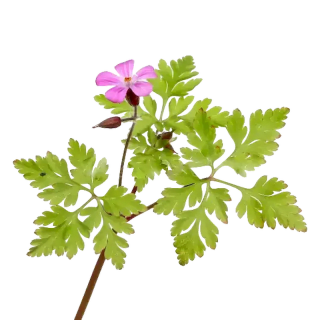
Introductionمقدّمة
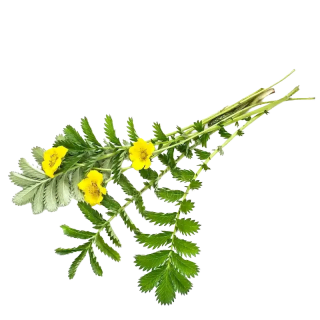
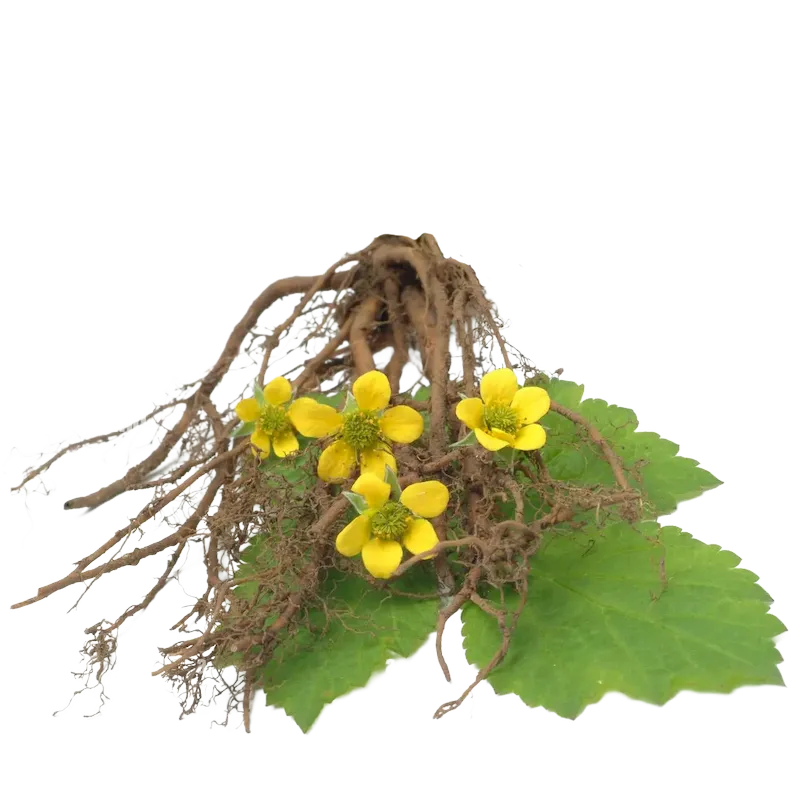
Tormentil, scientifically known as Potentilla erecta (syn. P. tormentilla), is a perennial herbaceous plant belonging to the Rosaceae family. It is recognized for its distinctive four-petaled yellow flowers and traditional medicinal uses. نبات التورمنتيل، المعروف علمياً باسم بوتينتيلا إيريكتا (مرادف: بوتينتيلا تورمنتيللا)، هو نبات عشبي معمر ينتمي إلى الفصيلة الوردية. ويشتهر بأزهاره الصفراء المميزة ذات الأربع بتلات واستخداماته الطبية التقليدية.
Categoryالفئة
• Astringent
• Potential anti-diarrheal
• Traditional use for digestive issues• قابض
• مضاد محتمل للإسهال
• الاستخدام التقليدي لمشاكل الجهاز الهضمي
Habitatالموطن
Tormentil can be found in various regions across Europe and Asia, often in upland areas, heathlands, and woodlands. It prefers well-drained soils and can thrive in temperate climates. The rhizomes (underground stems) of Tormentil are the primary part used for their herbal properties.يتواجد نبات التورمنتيل في مناطق مختلفة من أوروبا وآسيا، غالباً في المرتفعات والأراضي العشبية والغابات. وهو يفضل التربة جيدة التصريف، ويمكنه النمو في المناخات المعتدلة. وتُعد جذور التورمنتيل (السيقان تحت الأرض) الجزء الأساسي المستخدم لخصائصه العشبية.
Parts usedالأجزاء المستخدمة
• Rhizomes • الجذور
Key constituentsالمكوّنات الفعّالة
• Tannins (major group): up to roughly one‑quarter of the dry rhizome as tannins, dominated by catechin‑type condensed tannins (procyanidins, oligomeric flavan‑3‑ols) and hydrolysable tannins (ellagitannins such as agrimoniin, laevigatins/tormentillins, plus smaller amounts of gallotannins).pmc.ncbi.nlm.nih+3
• Phenolic acids and derivatives: ellagic acid and its glycosides, methylellagic acid derivatives, and monogalloylquinic (galloylquinic) acids.pubmed.ncbi.nlm.nih+2
• Flavan‑3‑ols: catechin, epicatechin and related oligomers contributing to astringency and antioxidant activity.pmc.ncbi.nlm.nih+1
• Triterpenes and related compounds: triterpene constituents reported in root/rhizome extracts alongside the tannin fraction.greengredients+2
• التانينات (المجموعة الرئيسية): تشكل التانينات ما يصل إلى ربع الجذمور الجاف تقريبًا، وتتكون في الغالب من التانينات المكثفة من نوع الكاتشين (البروسيانيدينات، والفلافان-3-أولات قليلة الوحدات) والتانينات القابلة للتحلل (التانينات الإيلاجية مثل الأغريمونين، والليفيغاتينات/التورمينتيلينات، بالإضافة إلى كميات أقل من التانينات الغالّية).
• الأحماض الفينولية ومشتقاتها: حمض الإيلاجيك وجليكوسيداته، ومشتقات حمض ميثيل إيلاجيك، وأحماض أحادي غالويل كينيك (غالويل كينيك).
• الفلافان-3-أولات: الكاتشين، والإبيكاتشين، والبوليمرات قليلة الوحدات ذات الصلة، والتي تساهم في خاصية القابضية والنشاط المضاد للأكسدة.
• التريتربينات وما يتصل بها المركبات: تم الإبلاغ عن مكونات التريتربين في مستخلصات الجذور/الريزومات إلى جانب جزء التانين. مكونات خضراء + 2
Researchالأبحاث
Research on Tormentil has explored its astringent properties and potential benefits for digestive health, particularly for diarrhea. It has been used traditionally for these purposes and continues to be a subject of scientific inquiry.استكشفت الأبحاث خصائص نبات التورمنتيل القابضة وفوائده المحتملة لصحة الجهاز الهضمي، وخاصةً لعلاج الإسهال. وقد استُخدم تقليديًا لهذه الأغراض، ولا يزال موضوعًا للبحث العلمي.
Published researchأبحاث منشورة
↗ Effect of oral administration of tormentil root extract (Potentilla tormentilla) on rotavirus diarrhea in children: a randomized, double blind, controlled trial↗ Tormentil for active ulcerative colitis: an open-label, dose-escalating study↗ Tormentillae rhizoma - Review for an Underestimated European Herbal DrugTraditional useالاستخدام التقليدي
Tormentil has a long history of use in traditional European herbal medicine, particularly for digestive issues. In modern herbalism, it is employed for similar purposes, including addressing diarrhea and other gastrointestinal complaints. يُستخدم نبات التورمنتيل منذ القدم في الطب العشبي الأوروبي التقليدي، وخاصةً لعلاج مشاكل الجهاز الهضمي. وفي الطب العشبي الحديث، يُستخدم لأغراض مماثلة، بما في ذلك علاج الإسهال وغيره من اضطرابات الجهاز الهضمي.
Current useالاستخدام الحالي
Tormentil rhizomes can be prepared as herbal infusions, tinctures, or incorporated into herbal formulations designed for digestive support. It is primarily valued for its astringent properties and potential benefits for gastrointestinal health. يمكن تحضير جذور نبات التورمنتيل على شكل مشروبات عشبية أو صبغات، أو إضافتها إلى تركيبات عشبية مصممة لدعم صحة الجهاز الهضمي. ويُقدّر هذا النبات بشكل أساسي لخصائصه القابضة وفوائده المحتملة لصحة الجهاز الهضمي.
Preparationsالتحضيرات
Infusion, Tinctureخلاصة سائلة, منقوع
Used for these conditionsيُستخدم لهذه الحالات
Adult dosageجرعة البالغين
Dosage recommendations for Tormentil may vary depending on the specific product or remedy. It is typically used in appropriate quantities for the intended purpose, such as in herbal tinctures or infusions for digestive support.قد تختلف توصيات الجرعات لدواء تورمينتيل باختلاف المنتج أو العلاج المحدد. ويُستخدم عادةً بكميات مناسبة للغرض المقصود، كما هو الحال في الصبغات العشبية أو المشروبات المُستخلصة لدعم الجهاز الهضمي.
Child dosageجرعة الأطفال
Consult a qualified herbalist or healthcare provider for appropriate dosages for children. استشر أخصائي أعشاب مؤهل أو مقدم رعاية صحية لتحديد الجرعات المناسبة للأطفال.
Cautionتحذيرات
Tormentil is generally considered safe when used as directed. However, individuals with allergies to plants in the Rosaceae family should exercise caution. Pregnant or breastfeeding individuals should consult a healthcare provider before use. يُعتبر نبات التورمنتيل آمناً بشكل عام عند استخدامه وفقاً للإرشادات. مع ذلك، ينبغي على الأشخاص الذين يعانون من حساسية تجاه نباتات الفصيلة الوردية توخي الحذر. كما ينبغي على الحوامل والمرضعات استشارة الطبيب قبل استخدامه.
Pregnancy & nursingالحمل والرضاعة
Avoid during Pregnancy/Nursingيمنع أثناء الحمل والرضاعة