Introductionمقدّمة
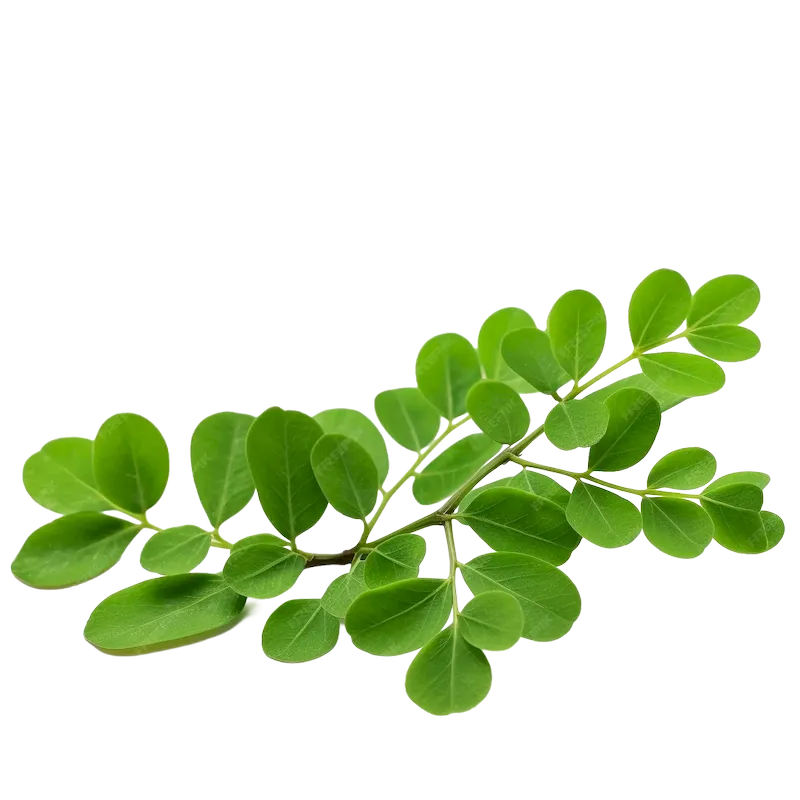
Phyllanthus amarus, commonly known as Phyllanthus, is a small annual herb belonging to the Euphorbiaceae family. It is native to tropical regions and is well-regarded for its potential medicinal properties. Phyllanthus has a history of use in traditional medicine systems and is recognized for its various health benefits. نبات فيلانثوس أماروس، المعروف باسم فيلانثوس، هو عشب حولي صغير ينتمي إلى الفصيلة الفربيونية. موطنه الأصلي المناطق الاستوائية، ويُعرف بخصائصه الطبية المحتملة. للفيلانثوس تاريخ طويل في الطب التقليدي، وهو معروف بفوائده الصحية المتعددة.
Categoryالفئة
• Potential hepatoprotective
• Potential antiviral
• Traditional use for liver health• خصائص وقائية محتملة للكبد
• خصائص مضادة للفيروسات محتملة
• استخدام تقليدي لصحة الكبد
Habitatالموطن
Phyllanthus thrives in tropical and subtropical climates and is often found in regions with adequate rainfall. It can grow in various types of soil and is cultivated for its aerial parts, especially the leaves and stems, which are used for their potential therapeutic properties. Phyllanthus is traditionally used for its health-enhancing effects.يزدهر نبات الفيلانثوس في المناخات الاستوائية وشبه الاستوائية، ويكثر وجوده في المناطق ذات الأمطار الوفيرة. ينمو في أنواع مختلفة من التربة، ويُزرع لأجزائه الهوائية، وخاصة الأوراق والسيقان، لما لها من خصائص علاجية محتملة. يُستخدم الفيلانثوس تقليديًا لفوائده الصحية.
Parts usedالأجزاء المستخدمة
• Aerial parts (leaves, stems) • الأجزاء الهوائية (الأوراق، السيقان)
Key constituentsالمكوّنات الفعّالة
• Lignans (key markers, especially for Bhuiamla/*Phyllanthus*): phyllanthin, hypophyllanthin, niranthin, phyltetralin, nirtetralin B
• Hydrolysable tannins (ellagitannins): geraniin, corilagin, repandusinic acid
• Simple phenolics: ellagic acid, gallic acid, methyl gallate
• Flavonoids: quercetin, rutin, quercitrin, isoquercitrin, astragalin
• Other common screening positives reported across Bhuiamla materials: saponins, additional tannins/phenols, alkaloids (varies by species used in trade, e.g., *P. niruri* vs *P. amarus*)• الليغنانات (مؤشرات رئيسية، خاصة لنبات بهوياملا/فيلانثوس): فيلانثين، هيبوفيلانثين، نيرانثين، فيلتترالين، نيرتيترالين ب
• التانينات القابلة للتحلل (إيلاجيتانينات): جيرانيين، كوريلاجين، حمض ريباندوسينيك
• الفينولات البسيطة: حمض الإيلاجيك، حمض الغاليك، غالات الميثيل
• الفلافونويدات: كيرسيتين، روتين، كيرسيترين، إيزوكيرسيترين، أستراغالين
• نتائج إيجابية شائعة أخرى تم الإبلاغ عنها في جميع مواد بهوياملا: الصابونينات، تانينات/فينولات إضافية، قلويدات (تختلف باختلاف الأنواع المستخدمة في التجارة، على سبيل المثال، بهوياملا نيروري مقابل بهوياملا أماروس)
Researchالأبحاث
Research on Phyllanthus has primarily focused on its key constituents, including phyllanthin and hypophyllanthin, and its potential hepatoprotective, antiviral, and liver health benefits. It is traditionally used for these purposes and has been studied for its therapeutic effects.ركزت الأبحاث على نبات الفيلانثوس بشكل أساسي على مكوناته الرئيسية، بما في ذلك الفيلانثين والهيبوفيلانثين، وفوائده المحتملة في حماية الكبد ومكافحة الفيروسات وتعزيز صحة الكبد. ويُستخدم تقليديًا لهذه الأغراض، وقد دُرست آثاره العلاجية.
Published researchأبحاث منشورة
↗ Phyllanthus species versus antiviral drugs for chronic hepatitis B virus infection↗ A trial of Phyllanthus amarus in acute viral hepatitis↗ Effects of Phyllanthus amarus PHYLLPRO leaves on hangover symptoms: a randomized, double-blind, placebo-controlled crossover studyTraditional useالاستخدام التقليدي
Phyllanthus is used in traditional herbal medicine, where its aerial parts, particularly the leaves and stems, are employed for their potential health benefits. It can be prepared as herbal infusions, tinctures, or used in traditional remedies. يُستخدم نبات الفيلانثوس في الطب العشبي التقليدي، حيث تُستخدم أجزاؤه الهوائية، وخاصة الأوراق والسيقان، لفوائدها الصحية المحتملة. ويمكن تحضيره على شكل مشروبات عشبية أو صبغات، أو استخدامه في العلاجات التقليدية.
Current useالاستخدام الحالي
Phyllanthus is primarily used for its leaves and stems, which are processed to create herbal infusions, tinctures, or used in traditional remedies for liver health and overall well-being. يستخدم نبات الفيلانثوس بشكل أساسي لأوراقه وسيقانه، والتي تتم معالجتها لصنع مشروبات عشبية أو صبغات، أو تستخدم في العلاجات التقليدية لصحة الكبد والرفاهية العامة.
Preparationsالتحضيرات
Infusion, Tinctureخلاصة سائلة, منقوع
Used for these conditionsيُستخدم لهذه الحالات
Adult dosageجرعة البالغين
Dosage recommendations for Phyllanthus may vary depending on the intended use and preparation form. It is typically used in appropriate quantities for liver health and general well-being. Consult with a qualified herbalist or healthcare provider for guidance on dosages and usage.قد تختلف توصيات جرعات نبات الفيلانثوس تبعًا للاستخدام المقصود وطريقة التحضير. يُستخدم عادةً بكميات مناسبة لصحة الكبد والعافية العامة. استشر أخصائي أعشاب مؤهلًا أو مقدم رعاية صحية للحصول على إرشادات حول الجرعات وطريقة الاستخدام.
Child dosageجرعة الأطفال
Dosage recommendations for Phyllanthus may vary depending on the intended use and preparation form. It is typically used in appropriate quantities for liver health and general well-being. Consult with a qualified herbalist or healthcare provider for guidance on dosages and usage.قد تختلف توصيات جرعات نبات الفيلانثوس تبعًا للاستخدام المقصود وطريقة التحضير. يُستخدم عادةً بكميات مناسبة لصحة الكبد والعافية العامة. استشر أخصائي أعشاب مؤهلًا أو مقدم رعاية صحية للحصول على إرشادات حول الجرعات وطريقة الاستخدام.
Cautionتحذيرات
Phyllanthus is generally considered safe when used as directed in traditional herbal preparations. However, individual reactions may vary. If you have underlying health conditions or are taking medications, consult with a qualified healthcare provider before using Phyllanthus. يُعتبر نبات الفيلانثوس آمناً بشكل عام عند استخدامه وفقاً للإرشادات في المستحضرات العشبية التقليدية. مع ذلك، قد تختلف ردود الفعل الفردية. إذا كنت تعاني من مشاكل صحية أو تتناول أدوية، فاستشر طبيباً مختصاً قبل استخدام الفيلانثوس.