Introductionمقدّمة
Notoginseng, scientifically known as Panax notoginseng, is a valuable herb native to China and other parts of Asia. It belongs to the Araliaceae family and is highly regarded for its potential medicinal properties. Notoginseng has a rich history of use in traditional Chinese medicine and is known for its health benefits.النوتوجينسنغ، المعروف علميًا باسم Panax notoginseng، عشبة قيّمة موطنها الأصلي الصين وأجزاء أخرى من آسيا. ينتمي إلى الفصيلة الأرالية، ويُعرف بفوائده الطبية العديدة. للنوتوجينسنغ تاريخ عريق في الطب الصيني التقليدي، وهو معروف بفوائده الصحية.
Categoryالفئة
• Potential anti-inflammatory
• Potential cardiovascular support
• Traditional use for wound healing and pain relief• خصائص مضادة للالتهابات
• دعم محتمل لصحة القلب والأوعية الدموية
• استخدام تقليدي لالتئام الجروح وتسكين الألم
Habitatالموطن
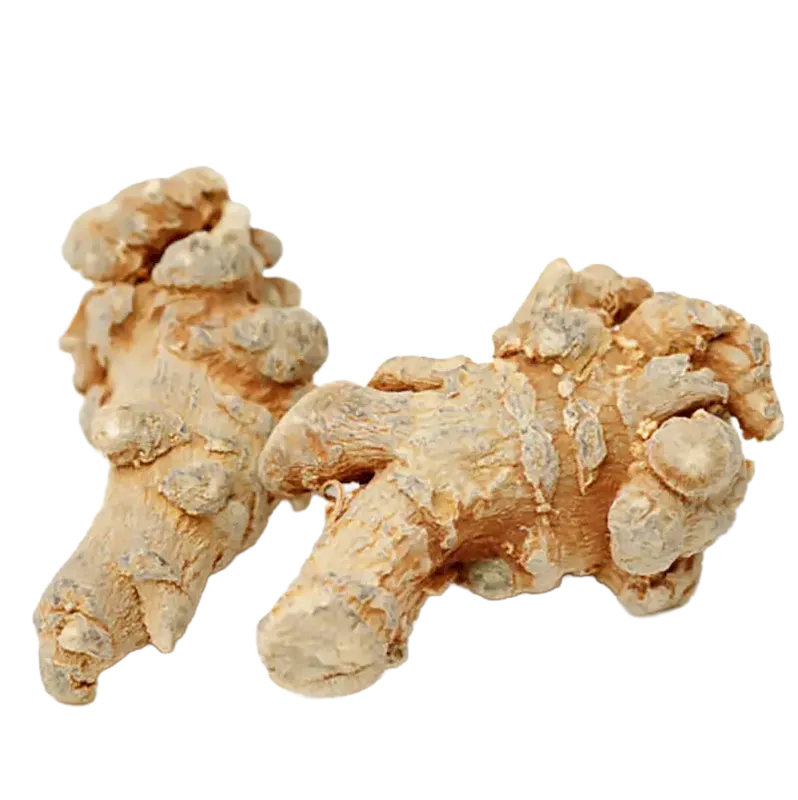
Notoginseng is primarily cultivated in the Yunnan province of China, where it thrives in mountainous regions with well-drained soil. It is cultivated for its roots, which are used for their potential therapeutic benefits. Notoginseng has been a staple in traditional Chinese medicine for various health applications. يُزرع نبات الجنسنغ الصيني (نوتوجينسنغ) بشكل أساسي في مقاطعة يونان الصينية، حيث ينمو بكثرة في المناطق الجبلية ذات التربة جيدة التصريف. ويُزرع من أجل جذوره التي تُستخدم لفوائدها العلاجية المحتملة. لطالما كان الجنسنغ الصيني عنصرًا أساسيًا في الطب الصيني التقليدي لاستخدامه في تطبيقات صحية متنوعة.
Parts usedالأجزاء المستخدمة
• Roots • الجذور
Key constituentsالمكوّنات الفعّالة
• Triterpene saponins (dammarane-type; main actives): notoginsenoside R1 (signature marker), plus ginsenosides Rg1, Rb1, Rd, Re (often the top-abundance set used for QC)
• Additional saponins commonly profiled: ginsenosides Rc, Rb2, Rg2, Rh1, Rf, Rg3; notoginsenosides A/B/C/D; plus gypenosides (e.g., gypenoside XVII)
• Amino acids (notable non-protein amino acid): dencichine (also called β‑ODAP)
• Polysaccharides (water-soluble polysaccharide fraction; often reported as bioactive)
• Flavonoids (minor compared with saponins, but present in profiles)
• Other minor constituents reported: volatile components (trace), fatty acids, and small organic acids (varies by plant part and processing)• صابونينات ثلاثية التربين (من نوع داماران؛ المكونات النشطة الرئيسية): نوتوجينسينوسيد R1 (علامة مميزة)، بالإضافة إلى جينسينوسيدات Rg1، Rb1، Rd، Re (غالبًا ما تكون المجموعة الأكثر وفرة المستخدمة في مراقبة الجودة)
• صابونينات إضافية يتم تحليلها بشكل شائع: جينسينوسيدات Rc، Rb2، Rg2، Rh1، Rf، Rg3؛ نوتوجينسينوسيدات A/B/C/D؛ بالإضافة إلى جيبينوسيدات (مثل جيبينوسيد XVII)
• أحماض أمينية (حمض أميني غير بروتيني بارز): دينسيشين (يُسمى أيضًا β-ODAP)
• عديدات السكاريد (جزء عديد السكاريد القابل للذوبان في الماء؛ غالبًا ما يُذكر على أنه نشط بيولوجيًا)
• فلافونويدات (أقل وفرة مقارنة بالصابونينات، ولكنها موجودة في التحليلات)
• مكونات ثانوية أخرى تم الإبلاغ عنها: مكونات متطايرة (آثار)، أحماض دهنية، وأحماض عضوية صغيرة (تختلف باختلاف جزء النبات وعملية المعالجة)
Researchالأبحاث
Research on Notoginseng has primarily focused on its key constituents, including ginsenosides, and its potential anti-inflammatory, cardiovascular support, wound healing, and pain relief properties. It is traditionally used for these purposes and has been studied for its therapeutic effects.ركزت الأبحاث على نبات الجنسنغ الصيني (نوتوجينسنغ) بشكل أساسي على مكوناته الرئيسية، بما في ذلك الجينسينوسيدات، وخصائصه المحتملة المضادة للالتهابات، ودعم صحة القلب والأوعية الدموية، والتئام الجروح، وتسكين الألم. ويُستخدم تقليديًا لهذه الأغراض، وقد دُرست آثاره العلاجية.
Published researchأبحاث منشورة
↗ Panax notoginseng Preparations for Unstable Angina Pectoris: A Systematic Review and Meta-Analysis↗ Efficacy and safety of Panax notoginseng saponins (Xuesaitong) for patients with acute ischemic stroke: a systematic review and meta-analysis of randomized controlled trials↗ Clinical efficacy and safety of Panax notoginseng saponins in treating chronic obstructive pulmonary disease with blood hypercoagulability: A meta-analysis of randomized controlled trialsTraditional useالاستخدام التقليدي
Notoginseng is used in traditional Chinese medicine, where its roots are employed for various health purposes, including wound healing, pain relief, and cardiovascular support. Notoginseng preparations can include decoctions, tinctures, and powdered forms. يُستخدم نبات الجنسنغ الصيني التقليدي في الطب الصيني التقليدي، حيث تُستخدم جذوره لأغراض صحية متنوعة، تشمل التئام الجروح وتسكين الآلام ودعم صحة القلب والأوعية الدموية. وتشمل مستحضرات الجنسنغ الصيني مغليّات ومستخلصات ومساحيق.
Current useالاستخدام الحالي
The roots of Notoginseng are the primary part used for their potential medicinal properties. They can be processed to create decoctions, tinctures, or powdered forms for various health purposes, including wound healing, pain relief, and cardiovascular support. تُعد جذور نبات الجنسنغ النوتو الجزء الأساسي المستخدم لخصائصه الطبية المحتملة. ويمكن معالجتها لصنع مغليّات أو صبغات أو مساحيق لأغراض صحية متنوعة، بما في ذلك التئام الجروح وتسكين الآلام ودعم صحة القلب والأوعية الدموية.
Preparationsالتحضيرات
Decoction, Tinctureخلاصة سائلة, مغلي
Used for these conditionsيُستخدم لهذه الحالات
Adult dosageجرعة البالغين
Dosage recommendations for Notoginseng may vary depending on the intended use and the specific product or remedy. It is typically used in appropriate quantities for the intended purpose. Consult with a qualified traditional Chinese medicine practitioner or healthcare provider for guidance on therapeutic dosages. قد تختلف توصيات جرعات النوتوجينسنغ تبعًا للاستخدام المقصود والمنتج أو العلاج المحدد. ويُستخدم عادةً بكميات مناسبة للغرض المقصود. استشر طبيبًا متخصصًا في الطب الصيني التقليدي أو مقدم رعاية صحية مؤهلًا للحصول على إرشادات بشأن الجرعات العلاجية.
Child dosageجرعة الأطفال
Dosage recommendations for Notoginseng may vary depending on the intended use and the specific product or remedy. It is typically used in appropriate quantities for the intended purpose. Consult with a qualified traditional Chinese medicine practitioner or healthcare provider for guidance on dosages and usage.قد تختلف توصيات جرعات النوتوجينسنغ تبعًا للاستخدام المقصود والمنتج أو العلاج المحدد. ويُستخدم عادةً بكميات مناسبة للغرض المقصود. استشر طبيبًا متخصصًا في الطب الصيني التقليدي أو مقدم رعاية صحية مؤهلًا للحصول على إرشادات بشأن الجرعات وطريقة الاستخدام.
Cautionتحذيرات
Notoginseng affects blood clotting and platelet function. Use with caution and do not combine with anticoagulant or antiplatelet medications (e.g., warfarin, aspirin, clopidogrel), as this may alter bleeding risk. Discontinue at least 1-2 weeks before surgery. Avoid in pregnancy. Consult a healthcare provider if you have a bleeding disorder or take these medications.يؤثر النوتوجينسنغ على تخثر الدم ووظيفة الصفائح الدموية. يُستخدم بحذر ولا يُدمج مع مضادات التخثر أو مضادات الصفائح (مثل الوارفارين والأسبرين والكلوبيدوغريل) لأنه قد يغيّر خطر النزيف. يُوقف استخدامه قبل الجراحة بأسبوع إلى أسبوعين. يُتجنّب في الحمل. استشر مقدم الرعاية الصحية إذا كان لديك اضطراب نزفي أو تتناول هذه الأدوية.
Pregnancy & nursingالحمل والرضاعة
Avoid during pregnancy and breastfeeding. Notoginseng (San Qi) is a blood-moving herb traditionally contraindicated in pregnancy, and its safety for the fetus and nursing infant has not been established.يُتجنّب أثناء الحمل والرضاعة. النوتوجينسنغ (سان تشي) عشبة منشّطة للدورة الدموية يُمنع استخدامها تقليديًا في الحمل، ولم تثبت سلامتها على الجنين والرضيع.