Introductionمقدّمة
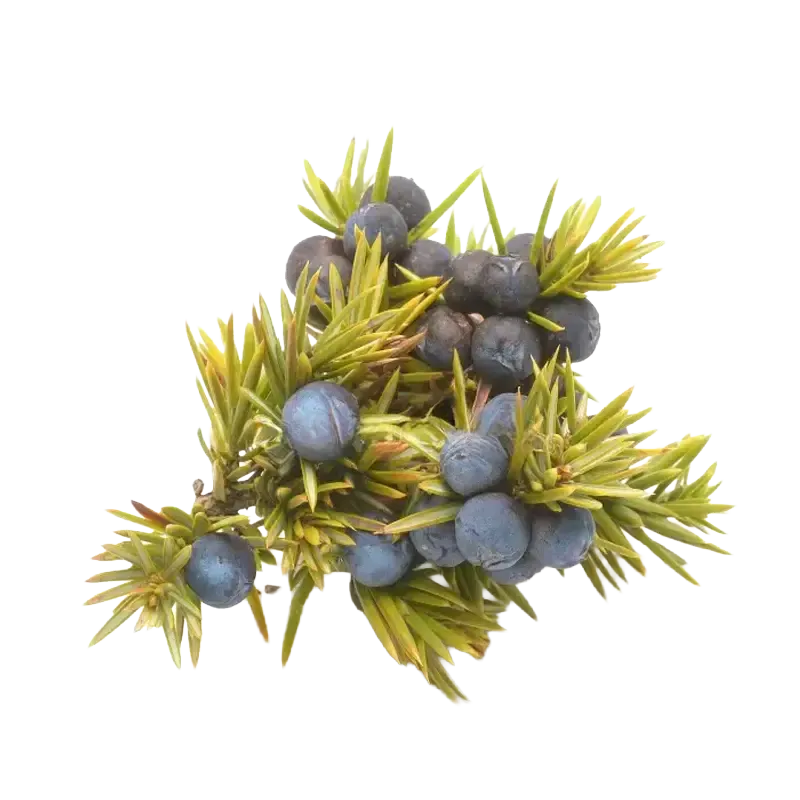
Juniper, scientifically known as Juniperus spp., refers to a genus of evergreen shrubs and trees with needle-like leaves and small berry-like cones. There are various species of juniper, and they are distributed worldwide. Juniper berries are well-known for their culinary and medicinal uses.العرعر، المعروف علميًا باسم Juniperus spp.، هو جنس من الشجيرات والأشجار دائمة الخضرة ذات أوراق إبرية الشكل ومخاريط صغيرة تشبه التوت. توجد أنواع عديدة من العرعر، وتنتشر في جميع أنحاء العالم. تشتهر ثمار العرعر بفوائدها في الطهي والطب.
Categoryالفئة
• Potential diuretic
• Potential antimicrobial
• Traditional use for digestive and urinary health• مدر محتمل للبول
• مضاد محتمل للميكروبات
• الاستخدام التقليدي لصحة الجهاز الهضمي والمسالك البولية
Habitatالموطن
Juniper plants are found in a wide range of habitats, from forests to arid regions, depending on the species. They are also cultivated for their berries, which are used in various products. The key constituents of Juniper include essential oils (e.g., pinene, limonene), flavonoids, and terpenoids. توجد نباتات العرعر في بيئات متنوعة، من الغابات إلى المناطق القاحلة، وذلك بحسب نوعها. كما تُزرع أيضاً لثمارها التي تُستخدم في منتجات مختلفة. تشمل المكونات الرئيسية للعرعر الزيوت العطرية (مثل الباينين والليمونين)، والفلافونويدات، والتربينويدات.
Parts usedالأجزاء المستخدمة
• Berries
• Leaves (less commonly)• التوت
• الأوراق (بشكل أقل شيوعاً)
Key constituentsالمكوّنات الفعّالة
• Essential oils (1-2%, α-pinene, sabinene, myrcene, limonene)
• Monoterpenes (terpinen-4-ol, β-pinene)
• Sesquiterpenes (β-caryophyllene, cadinene)
• Flavonoids (amentoflavone, quercetin, rutin)
• Tannins (proanthocyanidins)
• Organic acids (ascorbic acid, glycolic acid)
• Sugars (glucose, fructose)
• Resin• زيوت عطرية (1-2%، ألفا-بينين، سابينين، ميرسين، ليمونين)
• أحاديات التربين (تربينين-4-أول، بيتا-بينين)
• سيسكويتربينات (بيتا-كاريوفيلين، كادينين)
• فلافونويدات (أمينتوفلافون، كيرسيتين، روتين)
• تانينات (بروانثوسيانيدينات)
• أحماض عضوية (حمض الأسكوربيك، حمض الجليكوليك)
• سكريات (جلوكوز، فركتوز)
• راتنج
Researchالأبحاث
Research on Juniper has primarily focused on its essential oil content and potential diuretic and antimicrobial effects. It is traditionally used for digestive and urinary health and is a common ingredient in herbal remedies and culinary preparations. ركزت الأبحاث على نبات العرعر بشكل أساسي على محتواه من الزيت العطري وتأثيراته المحتملة كمدر للبول ومضاد للميكروبات. ويُستخدم تقليدياً لصحة الجهاز الهضمي والمسالك البولية، وهو مكون شائع في العلاجات العشبية والتحضيرات الغذائية.
Traditional useالاستخدام التقليدي
Juniper has a long history of use in traditional medicine and culinary practices. It is employed for its potential health benefits, including digestive and urinary support. The parts used primarily include the berries and occasionally the leaves. للعرعر تاريخ طويل من الاستخدام في الطب التقليدي وفنون الطهي. ويُستخدم لفوائده الصحية المحتملة، بما في ذلك دعم الجهاز الهضمي والمسالك البولية. وتشمل الأجزاء المستخدمة بشكل أساسي الثمار، وأحيانًا الأوراق.
Current useالاستخدام الحالي
The berries of Juniper are the most commonly used part for their culinary and medicinal properties. They can be used to prepare herbal infusions, tinctures, or incorporated into culinary dishes. In some cases, the leaves may also be used. تُعدّ ثمار العرعر الجزء الأكثر استخدامًا لخصائصها الغذائية والطبية. يمكن استخدامها لتحضير مشروبات عشبية، أو صبغات، أو إضافتها إلى أطباق الطعام. وفي بعض الحالات، يمكن استخدام الأوراق أيضًا.
Preparationsالتحضيرات
Culinary, Infusion, Tincture, Whole (Fresh/Dried)خلاصة سائلة, طهي, كامل (طازج/مجفف), منقوع
Used for these conditionsيُستخدم لهذه الحالات
Adult dosageجرعة البالغين
Dosage recommendations for Juniper berries can vary depending on the specific product or remedy. They are typically used in appropriate quantities for culinary purposes or as herbal infusions and tinctures. Consult with a qualified herbalist or healthcare provider for guidance on therapeutic dosages. تختلف توصيات جرعات ثمار العرعر باختلاف المنتج أو العلاج المستخدم. تُستخدم عادةً بكميات مناسبة لأغراض الطهي أو كمشروبات عشبية ومستخلصات. استشر أخصائي أعشاب مؤهلاً أو مقدم رعاية صحية للحصول على إرشادات حول الجرعات العلاجية.
Child dosageجرعة الأطفال
Dosage recommendations for Juniper berries can vary depending on the specific product or remedy. They are typically used in appropriate quantities for culinary purposes or as herbal infusions and tinctures. Consult with a qualified herbalist or healthcare provider for guidance on dosages and usage.تختلف توصيات جرعات ثمار العرعر باختلاف المنتج أو العلاج المستخدم. تُستخدم عادةً بكميات مناسبة لأغراض الطهي أو كمشروبات عشبية ومستخلصات. استشر أخصائي أعشاب مؤهلاً أو مقدم رعاية صحية للحصول على إرشادات حول الجرعات وطريقة الاستخدام.
Cautionتحذيرات
Juniper is generally safe when used in moderation for culinary and medicinal purposes. However, excessive use may lead to adverse effects, and it should be avoided during pregnancy. Individuals with kidney issues or other medical conditions should consult with a healthcare provider before using Juniper. يُعدّ العرعر آمناً بشكل عام عند استخدامه باعتدال لأغراض الطهي والعلاج. مع ذلك، قد يؤدي الإفراط في استخدامه إلى آثار جانبية، ويُنصح بتجنبه أثناء الحمل. كما يُنصح الأشخاص الذين يعانون من مشاكل في الكلى أو حالات طبية أخرى باستشارة الطبيب قبل استخدام العرعر.
Pregnancy & nursingالحمل والرضاعة
Avoid during Pregnancy/Nursingيمنع أثناء الحمل والرضاعة