Introductionمقدّمة
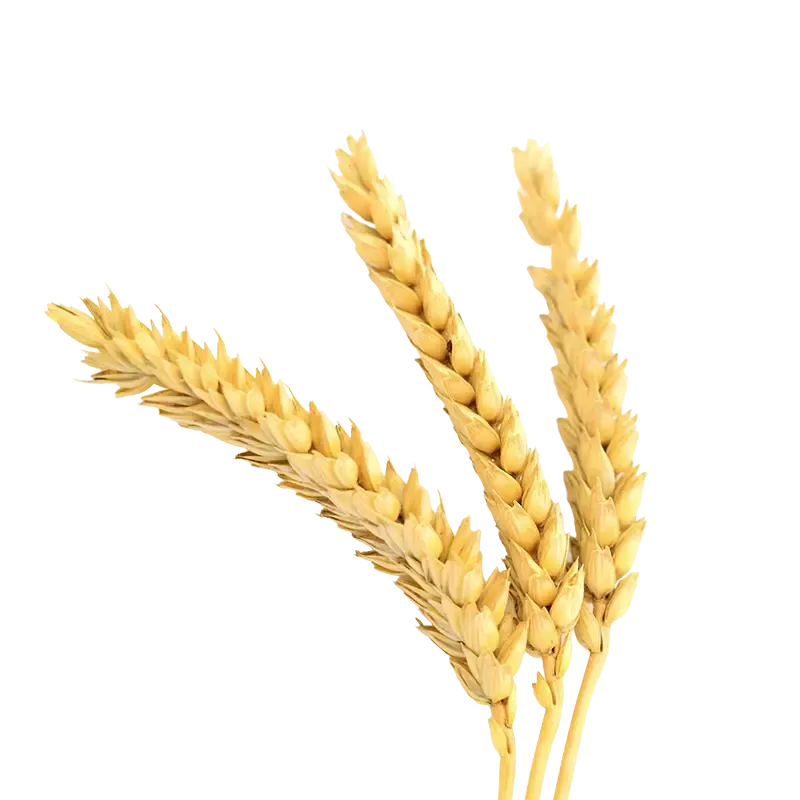
Barley, scientifically known as Hordeum vulgare, is an annual cereal grain that has been cultivated for thousands of years as a staple food and for its potential health benefits. It is one of the earliest cultivated grains and is used in various culinary and dietary applications.الشعير، المعروف علمياً باسم Hordeum vulgare، هو حبوب سنوية تُزرع منذ آلاف السنين كغذاء أساسي لما لها من فوائد صحية محتملة. وهو من أقدم الحبوب المزروعة، ويُستخدم في العديد من التطبيقات الغذائية والطهوية.
Categoryالفئة
• Potential source of dietary fiber
• Potential support for heart health
• Traditional use for digestive health• مصدر محتمل للألياف الغذائية
• دعم محتمل لصحة القلب
• استخدام تقليدي لصحة الجهاز الهضمي
Habitatالموطن
Barley is grown in a wide range of climates and is well-adapted to different soil types. It is cultivated as a major cereal crop and is used for its grains. Barley grains and other barley products are commonly consumed as food and have a history of use for their nutritional value. يُزرع الشعير في نطاق واسع من المناخات ويتكيف جيدًا مع أنواع التربة المختلفة. يُعدّ الشعير محصولًا رئيسيًا من الحبوب، ويُستخدم لحبوبه. تُستهلك حبوب الشعير ومنتجاته الأخرى على نطاق واسع كغذاء، ولها تاريخ طويل من الاستخدام لقيمتها الغذائية.
Parts usedالأجزاء المستخدمة
• Grains
• Barley flour
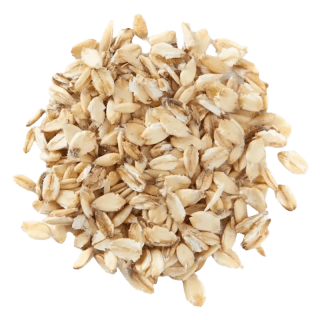
• Barley flakes• حبوب
• دقيق الشعير
• رقائق الشعير
Key constituentsالمكوّنات الفعّالة
• Beta-glucans (3-8%, soluble fiber)
• Dietary fiber (17%, insoluble and soluble)
• Proteins (10-12%, prolamin, glutelin)
• Vitamins (B-complex: niacin, thiamin, folate)
• Minerals (selenium, copper, manganese, magnesium, phosphorus)
• Phenolic compounds (ferulic acid, p-coumaric acid)
• Flavonoids (catechin, quercetin)
• Tocols (vitamin E family)• بيتا جلوكان (3-8%، ألياف قابلة للذوبان)
• ألياف غذائية (17%، غير قابلة للذوبان وقابلة للذوبان)
• بروتينات (10-12%، برولامين، جلوتيلين)
• فيتامينات (مجموعة فيتامينات ب: نياسين، ثيامين، حمض الفوليك)
• معادن (سيلينيوم، نحاس، منغنيز، مغنيسيوم، فوسفور)
• مركبات فينولية (حمض الفيروليك، حمض الكوماريك)
• فلافونويدات (كاتشين، كيرسيتين)
• توكولات (مجموعة فيتامين هـ)
Researchالأبحاث
Research on barley has focused on its nutritional components, including dietary fiber and beta-glucans, and their potential benefits for heart health and digestive well-being. Barley has a long history of use in traditional diets and is consumed as whole grains, flakes, or flour. ركزت الأبحاث على الشعير على مكوناته الغذائية، بما في ذلك الألياف الغذائية والبيتا جلوكان، وفوائدها المحتملة لصحة القلب والجهاز الهضمي. وللشعير تاريخ طويل في استخدامه في الأنظمة الغذائية التقليدية، ويُستهلك كحبوب كاملة أو رقائق أو دقيق.
Published researchأبحاث منشورة
↗ A systematic review and meta-analysis of randomized controlled trials of the effect of barley β-glucan on LDL-C, non-HDL-C and apoB for cardiovascular disease risk reduction↗ β-glucan from barley and its lipid-lowering capacity: a meta-analysis↗ The effects of barley-derived soluble fiber on serum lipidsTraditional useالاستخدام التقليدي
Barley grains are the primary part used for their nutritional value. They are commonly used in various culinary applications, including soups, stews, bread, and beverages. Barley-based products are enjoyed worldwide for their taste and health benefits. تُعدّ حبوب الشعير الجزء الأساسي المستخدم لقيمتها الغذائية. وهي شائعة الاستخدام في العديد من الأطباق، بما في ذلك الحساء واليخنات والخبز والمشروبات. وتُحظى منتجات الشعير بشعبية واسعة في جميع أنحاء العالم لمذاقها وفوائدها الصحية.
Current useالاستخدام الحالي
Barley grains can be prepared in various ways, such as cooking them as a whole grain, milling them into flour, or processing them into flakes. These preparations are used in a wide range of culinary applications and dietary products. يمكن تحضير حبوب الشعير بطرق متنوعة، مثل طهيها كحبوب كاملة، أو طحنها إلى دقيق، أو معالجتها إلى رقائق. وتُستخدم هذه التحضيرات في مجموعة واسعة من التطبيقات الغذائية والمنتجات الغذائية.
Preparationsالتحضيرات
Culinary, Whole (Fresh/Dried)طهي, كامل (طازج/مجفف)
Used for these conditionsيُستخدم لهذه الحالات
Adult dosageجرعة البالغين
Dosage recommendations for barley can vary based on how it is incorporated into one's diet. It is typically used in appropriate quantities for culinary and dietary purposes. There are no specific dosage guidelines for barley, as it is mainly consumed as a food ingredient. تختلف توصيات الجرعات للشعير باختلاف طريقة إضافته إلى النظام الغذائي. ويُستخدم عادةً بكميات مناسبة لأغراض الطهي والتغذية. لا توجد إرشادات محددة للجرعات، إذ يُستهلك الشعير بشكل أساسي كمكون غذائي.
Child dosageجرعة الأطفال
Dosage recommendations for barley can vary depending on how it is consumed and the specific dietary application. It is typically included in recipes and dishes in appropriate quantities. There are no specific dosage guidelines for barley, as it is mainly consumed as a food ingredient.تختلف توصيات الجرعات للشعير باختلاف طريقة استهلاكه واستخدامه الغذائي المحدد. يُضاف عادةً إلى الوصفات والأطباق بكميات مناسبة. لا توجد إرشادات محددة للجرعات، إذ يُستهلك الشعير بشكل أساسي كمكون غذائي.
Cautionتحذيرات
Barley is generally considered safe when consumed as part of a balanced diet. However, individuals with gluten intolerance or celiac disease should choose gluten-free barley products, as barley contains gluten. If you have any allergies or sensitivities to barley, exercise caution and consult with a healthcare provider. يُعتبر الشعير آمناً بشكل عام عند تناوله كجزء من نظام غذائي متوازن. مع ذلك، ينبغي على الأشخاص الذين يعانون من حساسية الغلوتين أو مرض السيلياك اختيار منتجات الشعير الخالية من الغلوتين، لأن الشعير يحتوي على الغلوتين. إذا كنت تعاني من أي حساسية تجاه الشعير، فتوخَّ الحذر واستشر طبيبك.