Introductionمقدّمة
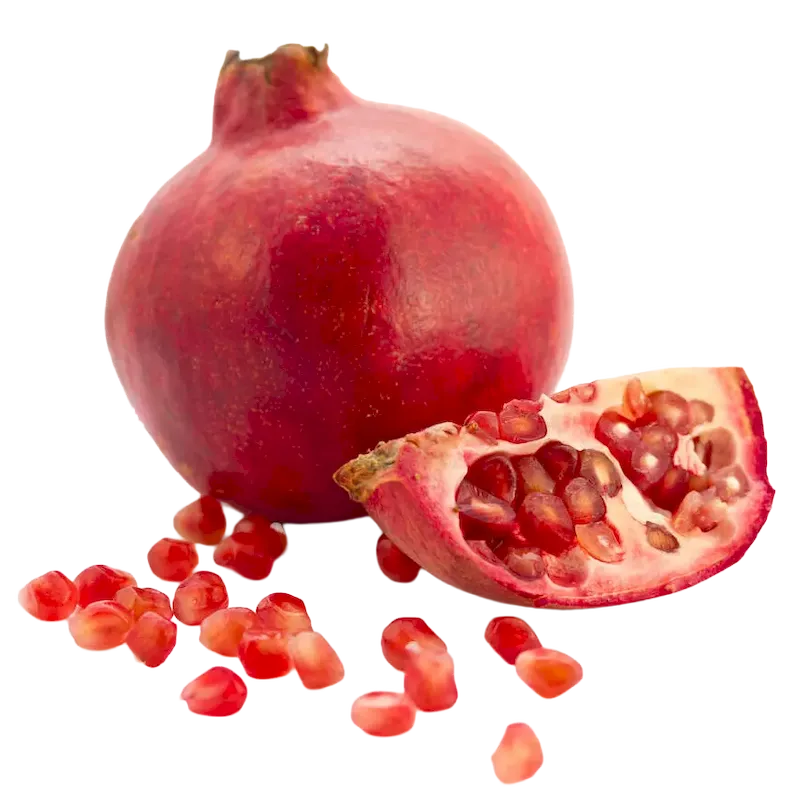
Pomegranate, scientifically known as Punica granatum, is a deciduous shrub or small tree valued for its unique fruits and potential health benefits. It has a long history of use in various cultures and cuisines. الرمان، المعروف علمياً باسم Punica granatum، هو شجيرة نفضية أو شجرة صغيرة تُقدّر لثمارها الفريدة وفوائدها الصحية المحتملة. وله تاريخ طويل من الاستخدام في مختلف الثقافات والمطابخ.
Categoryالفئة
• Antioxidant
• Potential cardiovascular support
• Traditional use for digestive health• مضاد للأكسدة
• دعم محتمل لصحة القلب والأوعية الدموية
• استخدام تقليدي لصحة الجهاز الهضمي
Habitatالموطن
Pomegranate is native to the Middle East and Mediterranean regions but is now cultivated in many parts of the world. It thrives in warm, dry climates. The primary parts used are the fruits and seeds, known for their distinctive flavor and potential medicinal properties.الرمان فاكهة موطنها الأصلي الشرق الأوسط ومنطقة البحر الأبيض المتوسط، لكنها تُزرع الآن في أجزاء كثيرة من العالم. وتزدهر في المناخات الدافئة والجافة. وتُستخدم ثمارها وبذورها بشكل أساسي، لما تتميز به من نكهة فريدة وخصائص طبية محتملة.
Parts usedالأجزاء المستخدمة
• Fruits (Pomegranate seeds and pulp)
• Seeds• ثمار (بذور الرمان ولبها)
• بذور
Key constituentsالمكوّنات الفعّالة
• Peel polyphenols and tannins: punicalagin (α and β isomers) as the dominant ellagitannin, along with punicalin, gallagic and ellagic acids, ellagitannins generally, catechins and other flavan‑3‑ols, plus high total tannin content.
• Fruit/juice anthocyanins: delphinidin‑, cyanidin‑ and pelargonidin‑3‑glucosides and 3,5‑diglucosides, which give the red color and provide antioxidant activity.
• Other fruit phenolics and acids: gallic, caffeic and other phenolic acids; organic acids including citric, malic, tartaric, succinic and others that shape flavor and pH.
• Seed oil fatty acids: punicic acid (a conjugated linolenic omega‑5 fatty acid) as the main fatty acid, with linoleic and oleic acids also present, plus minor palmitic and stearic acids.
• Seed oil unsaponifiables: phytosterols and tocopherols (especially γ‑tocopherol) contributing to antioxidant and skin‑benefit properties.
• Other components: vitamins (notably vitamin C), amino acids, carbohydrates, minerals and small amounts of alkaloids (pelletierine-type) mainly in bark and root.
• البوليفينولات والتانينات في القشرة: البونيكالاجين (المتزامران ألفا وبيتا) باعتباره الإيلاجيتانين السائد، إلى جانب البونيكالين، وحمض الجالاجيك، وحمض الإيلاجيك، والإيلاجيتانينات بشكل عام، والكاتيكينات، وغيرها من الفلافان-3-أولات، بالإضافة إلى محتوى عالٍ من التانينات الكلية.
• الأنثوسيانينات في الفاكهة/العصير: دلفينيدين-3-جلوكوزيدات، وسيانيدين-3-جلوكوزيدات، وبيلارجونيدين-3،5-ديجلوكوزيدات، والتي تُعطي اللون الأحمر وتُوفر نشاطًا مضادًا للأكسدة.
• الفينولات والأحماض الأخرى في الفاكهة: حمض الغاليك، وحمض الكافيك، وأحماض فينولية أخرى؛ وأحماض عضوية تشمل الستريك، والماليك، والطرطريك، والساكسينيك، وغيرها التي تُشكل النكهة ودرجة الحموضة.
• الأحماض الدهنية في زيت البذور: حمض البونيك (حمض لينولينيك مترافق من نوع أوميغا-5) هو الحمض الدهني الرئيسي، بالإضافة إلى حمض اللينوليك وحمض الأوليك، وكميات ضئيلة من حمض البالمتيك وحمض الستياريك.
• المواد غير القابلة للتصبن في زيت البذور: الفيتوستيرولات والتوكوفيرولات (وخاصة غاما توكوفيرول) التي تساهم في خصائص مضادة للأكسدة ومفيدة للبشرة.
• مكونات أخرى: فيتامينات (وخاصة فيتامين ج)، وأحماض أمينية، وكربوهيدرات، ومعادن، وكميات قليلة من القلويدات (من نوع بيليتيرين) الموجودة بشكل رئيسي في اللحاء والجذر.
Researchالأبحاث
Research on Pomegranate has focused on its polyphenolic compounds, including punicalagins and anthocyanins, and their potential antioxidant and cardiovascular benefits. It is traditionally used for digestive health and has various culinary applications. ركزت الأبحاث على الرمان على مركباته البوليفينولية، بما في ذلك البونيكالاجين والأنثوسيانين، وفوائدها المحتملة كمضادات للأكسدة وفوائدها لصحة القلب والأوعية الدموية. ويُستخدم الرمان تقليديًا لتحسين صحة الجهاز الهضمي، وله استخدامات طهي متنوعة.
Published researchأبحاث منشورة
↗ The effect of pomegranate (Punica granatum) supplementation on metabolic status in patients with type 2 diabetes: A systematic review and meta-analysis↗ Pomegranate (Punica granatum L.) and Metabolic Syndrome Risk Factors and Outcomes: A Systematic Review of Clinical Studies↗ Impact of pomegranate juice on blood pressure: A systematic review and meta-analysisTraditional useالاستخدام التقليدي
Pomegranate fruits and seeds are widely used in culinary dishes, juices, and beverages. Additionally, Pomegranate extracts and supplements are available for potential health benefits. It is valued for its unique flavor and potential positive impact on health. تُستخدم ثمار الرمان وبذوره على نطاق واسع في الطهي والعصائر والمشروبات. كما تتوفر مستخلصات الرمان ومكملاته الغذائية لما لها من فوائد صحية محتملة. ويُقدّر الرمان لنكهته المميزة وتأثيره الإيجابي المحتمل على الصحة.
Current useالاستخدام الحالي
Pomegranate fruits and seeds are used for various culinary purposes and potential health benefits. They are consumed fresh, as juice, or in cooking. Pomegranate extracts and supplements are also available. تُستخدم ثمار الرمان وبذوره في أغراض طهي متنوعة، ولها فوائد صحية محتملة. تُستهلك طازجة، أو كعصير، أو في الطبخ. كما تتوفر مستخلصات الرمان ومكملاته الغذائية.
Preparationsالتحضيرات
Culinary, Extract, Juice, Supplement, Whole (Fresh/Dried)طهي, عصير, كامل (طازج/مجفف), مستخلص جاف, مكمل غذائي
Used for these conditionsيُستخدم لهذه الحالات
☾ Prophetic reference☾ إشارة نبوية
Quran 55:68 — Mentioned as a fruit of Paradise: "In both of them are fruit and palm trees and pomegranates."القرآن الكريم (الرحمن: 68) — فاكهة من الجنة: "فِيهِمَا فَاكِهَةٌ وَنَخْلٌ وَرُمَّانٌ."
Adult dosageجرعة البالغين
Dosage recommendations for Pomegranate products may vary depending on the specific product or supplement. It is typically consumed as part of a balanced diet or used in culinary preparations for its unique flavor and potential health benefits.قد تختلف توصيات الجرعات لمنتجات الرمان باختلاف المنتج أو المكمل الغذائي. ويُستهلك عادةً كجزء من نظام غذائي متوازن أو يُستخدم في تحضير الطعام لنكهته المميزة وفوائده الصحية المحتملة.
Child dosageجرعة الأطفال
Consult with a healthcare provider for specific dosages for children based on their age and needs. استشر مقدم الرعاية الصحية لتحديد الجرعات المناسبة للأطفال بناءً على أعمارهم واحتياجاتهم.
Cautionتحذيرات
Pomegranate (fruit and juice) is safe as food. Concentrated juice/extracts may inhibit liver enzymes (CYP3A4/CYP2D6) and have been reported to interact with warfarin (increased bleeding risk/INR) and with medicines metabolised by these enzymes (e.g., some statins) — check with a healthcare provider if you take such drugs. Note: pomegranate bark and root contain toxic pelletierine alkaloids and should not be self-administered.الرمان (الثمرة والعصير) آمن كغذاء. قد تثبّط العصائر/المستخلصات المركّزة إنزيمات الكبد (CYP3A4/CYP2D6) وسُجّلت حالات تفاعل مع الوارفارين (زيادة خطر النزف/INR) ومع أدوية تُستقلب بهذه الإنزيمات (مثل بعض الستاتينات) — استشر مقدّم الرعاية الصحية إذا كنت تتناول هذه الأدوية. ملاحظة: يحتوي لحاء الرمان وجذره على قلويدات البيليتيرين السامة ولا ينبغي استخدامها ذاتياً.