Introductionمقدّمة
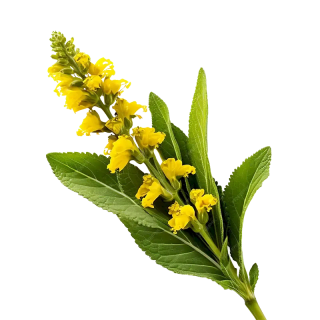
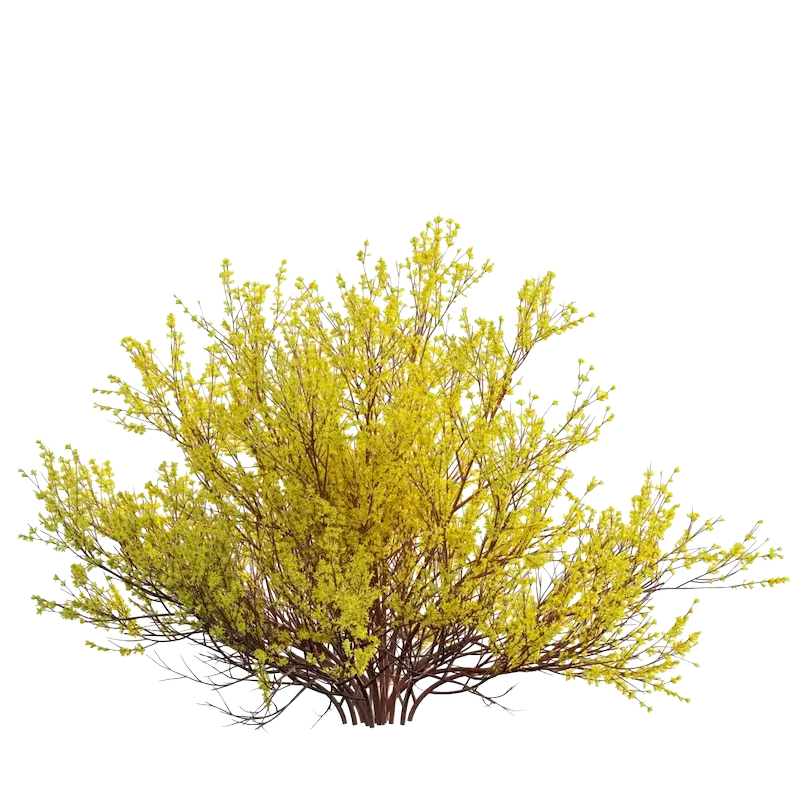
Weeping Forsythia, scientifically known as Forsythia suspensa, is a deciduous shrub native to East Asia. It belongs to the Oleaceae family and is known for its graceful weeping branches and vibrant yellow flowers. Weeping Forsythia has a history of use in traditional medicine and is valued for its potential therapeutic properties.نبات فورسيثيا الباكية، المعروف علميًا باسم فورسيثيا سوسبنسا، هو شجيرة نفضية موطنها شرق آسيا. ينتمي إلى الفصيلة الزيتونية، ويشتهر بأغصانه المتدلية الرشيقة وأزهاره الصفراء الزاهية. للفورسيثيا الباكية تاريخ طويل من الاستخدام في الطب التقليدي، وهي ذات قيمة عالية لخصائصها العلاجية المحتملة.
Categoryالفئة
• Potential anti-inflammatory
• Traditional use for respiratory health
• Limited modern research• خصائص مضادة للالتهابات
• استخدام تقليدي لصحة الجهاز التنفسي
• أبحاث حديثة محدودة
Habitatالموطن
Weeping Forsythia is cultivated in various regions for its ornamental beauty. It prefers well-drained soil and is often used as an ornamental shrub in gardens and landscapes. While its primary use is ornamental, some traditional remedies utilize its parts, particularly the bark. Weeping Forsythia is appreciated for its aesthetic appeal and potential medicinal uses. تُزرع شجيرة فورسيثيا الباكية في مناطق مختلفة لجمالها الزخرفي. وهي تُفضل التربة جيدة التصريف، وكثيراً ما تُستخدم كشجيرة زينة في الحدائق والمناظر الطبيعية. ورغم أن استخدامها الأساسي هو للزينة، إلا أن بعض العلاجات التقليدية تستخدم أجزاءً منها، وخاصة لحائها. تُقدّر شجيرة فورسيثيا الباكية لجمالها وفوائدها الطبية المحتملة.
Parts usedالأجزاء المستخدمة
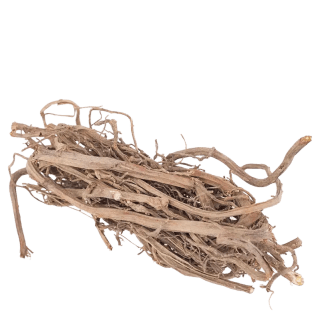
• Bark • نباح
Key constituentsالمكوّنات الفعّالة
Correct the part used to the dried fruit (Forsythiae Fructus / Lian Qiao), which is the source of the listed lignans and phenylethanoid glycosides; the bark is not the medicinal part.يجب تصحيح الجزء المستخدم إلى الثمرة المجففة (ثمرة الفورسيثيا / ليان تشياو)، وهي مصدر الليغنانات وجليكوسيدات الفينيل إيثانويد المذكورة؛ فاللحاء ليس الجزء الطبي.
Researchالأبحاث
Research on Weeping Forsythia has explored its chemical constituents, including forsythin, phenylethanoid glycosides, and flavonoids. It is traditionally used for respiratory health, but modern research on its therapeutic properties is limited. استكشفت الأبحاث التي أُجريت على نبات فورسيثيا الباكي مكوناته الكيميائية، بما في ذلك الفورسيثين، وجليكوسيدات فينيل إيثانويد، والفلافونويدات. ويُستخدم تقليديًا لصحة الجهاز التنفسي، إلا أن الأبحاث الحديثة حول خصائصه العلاجية محدودة.
Published researchأبحاث منشورة
↗ Efficacy of Forsythia suspensa (Thunb.) Vahl on mouse and rat models of inflammation-related diseases: a meta-analysis↗ The phytochemistry, pharmacology, pharmacokinetics, quality control, and toxicity of Forsythiae Fructus: An updated systematic review↗ Phytochemistry, pharmacology, quality control and future research of Forsythia suspensaTraditional useالاستخدام التقليدي
In traditional Chinese medicine, Weeping Forsythia bark is used in herbal remedies for respiratory health support. It is also admired for its ornamental value and is cultivated for its vibrant flowers and weeping branches. في الطب الصيني التقليدي، يُستخدم لحاء نبات فورسيثيا الباكية في العلاجات العشبية لدعم صحة الجهاز التنفسي. كما يُحظى هذا النبات بإعجاب كبير لقيمته الجمالية، ويُزرع لأزهاره الزاهية وأغصانه المتدلية.
Current useالاستخدام الحالي
Weeping Forsythia bark is the primary part used in traditional herbal remedies. It can be prepared as herbal decoctions or tinctures for its potential respiratory health benefits. يُعد لحاء نبات فورسيثيا الباكية الجزء الأساسي المستخدم في العلاجات العشبية التقليدية. ويمكن تحضيره على شكل مغلي أو صبغة عشبية لما له من فوائد محتملة لصحة الجهاز التنفسي.
Preparationsالتحضيرات
Decoction, Tinctureخلاصة سائلة, مغلي
Used for these conditionsيُستخدم لهذه الحالات
Adult dosageجرعة البالغين
Dosage recommendations for Weeping Forsythia bark may vary depending on traditional remedies and individual needs. It is advisable to consult with a qualified traditional Chinese medicine practitioner for guidance on dosages and usage. قد تختلف توصيات الجرعات لقشرة نبات فورسيثيا الباكية تبعًا للعلاجات التقليدية والاحتياجات الفردية. يُنصح باستشارة ممارس مؤهل في الطب الصيني التقليدي للحصول على إرشادات بشأن الجرعات وطريقة الاستخدام.
Child dosageجرعة الأطفال
Dosage recommendations for Weeping Forsythia bark may vary depending on traditional remedies and individual needs. It is advisable to consult with a qualified traditional Chinese medicine practitioner for guidance on dosages and usage. قد تختلف توصيات الجرعات لقشرة نبات فورسيثيا الباكية تبعًا للعلاجات التقليدية والاحتياجات الفردية. يُنصح باستشارة ممارس مؤهل في الطب الصيني التقليدي للحصول على إرشادات بشأن الجرعات وطريقة الاستخدام.
Cautionتحذيرات
Weeping Forsythia is generally considered safe when used in traditional remedies. However, as with any herbal remedy, individual reactions may vary. If you have specific health concerns or are pregnant or nursing, consult with a qualified healthcare provider or traditional Chinese medicine practitioner. يُعتبر نبات فورسيثيا الباكي آمنًا بشكل عام عند استخدامه في العلاجات التقليدية. مع ذلك، وكما هو الحال مع أي علاج عشبي، قد تختلف ردود فعل الأفراد. إذا كانت لديك مخاوف صحية محددة، أو كنتِ حاملاً أو مرضعة، فاستشيري طبيبًا مؤهلًا أو ممارسًا للطب الصيني التقليدي.
Pregnancy & nursingالحمل والرضاعة
Avoid during Pregnancy/Nursingيمنع أثناء الحمل والرضاعة