Introductionمقدّمة
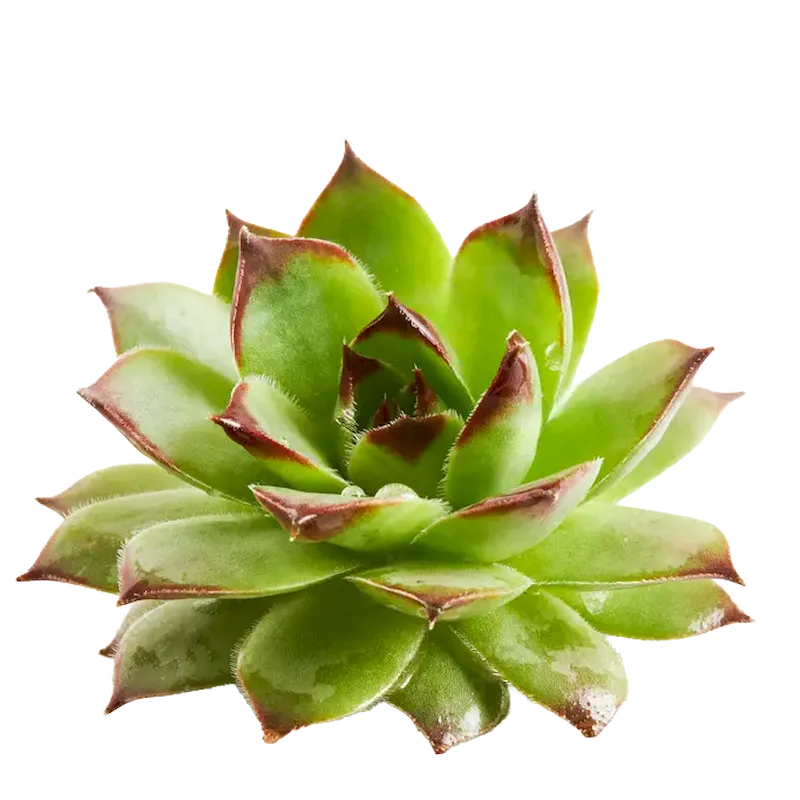
Houseleek, scientifically known as Sempervivum tectorum, is a succulent plant belonging to the Crassulaceae family. It is native to mountainous regions of Europe and has distinctive rosette-shaped leaves. While not a traditional medicinal herb, it is cultivated for ornamental and historical uses and is occasionally mentioned in folklore.نبات حشيشة المنزل، المعروف علميًا باسم Sempervivum tectorum، هو نبات عصاري ينتمي إلى الفصيلة الكراسولية. موطنه الأصلي المناطق الجبلية في أوروبا، ويتميز بأوراقه ذات الشكل الوردي. ورغم أنه ليس من الأعشاب الطبية التقليدية، إلا أنه يُزرع لأغراض الزينة ولأغراض تاريخية، ويُذكر أحيانًا في التراث الشعبي.
Categoryالفئة
• Ornamental and historical use
• Limited folkloric mentions for minor skin issues
• Limited modern research• استخدامات تزيينية وتاريخية
• إشارات فولكلورية محدودة لمشاكل جلدية طفيفة
• أبحاث حديثة محدودة
Habitatالموطن
Houseleek can be found growing on rocky cliffs and walls in mountainous areas of Europe. It is often cultivated for its drought-resistant and low-maintenance nature, making it a popular addition to gardens and roofs. While it is not typically used as a medicinal herb, various parts of the plant have been mentioned in folklore for potential applications. The primary parts used are the leaves, which may have limited use in traditional practices. ينمو نبات حشيشة المنزل على المنحدرات والجدران الصخرية في المناطق الجبلية بأوروبا. ويُزرع بكثرة لمقاومته للجفاف وسهولة العناية به، مما يجعله إضافةً شائعةً للحدائق والأسطح. ورغم أنه لا يُستخدم عادةً كعشب طبي، فقد ذُكرت أجزاء مختلفة منه في التراث الشعبي لاستخدامات محتملة. وتُعدّ الأوراق الجزء الرئيسي المستخدم، والتي قد يكون استخدامها محدودًا في الممارسات التقليدية.
Parts usedالأجزاء المستخدمة
• Leaves
• Occasionally, other parts based on folklore• أوراق الشجر
• أحيانًا، أجزاء أخرى مستوحاة من الفولكلور
Key constituentsالمكوّنات الفعّالة
• Organic acids: L‑malic acid (major) and its calcium salts, plus notable isocitric acid content.
• Flavonoids: kaempferol as main aglycone occurring almost entirely as glycosides; multiple kaempferol glycosides (e.g., kaempferol‑3‑glucoside and other triglycosides) and smaller amounts of quercetin derivatives.
• Phenolic acids and related polyphenols: a suite of hydroxybenzoic and hydroxycinnamic acids (e.g., derivatives of caffeic and p‑hydroxybenzoic acids); high total phenolic and proanthocyanidin content in ethanolic extracts.
• Tannins, mucilage and other components: tannins, mucilage, bitters, sugars and proanthocyanidins noted in leaves.• الأحماض العضوية: حمض L-الماليك (الرئيسي) وأملاحه الكالسيومية، بالإضافة إلى محتوى ملحوظ من حمض الأيزوسيترات.
• الفلافونويدات: الكامفيرول هو الأغليكون الرئيسي، ويوجد بشكل شبه كامل على هيئة غليكوزيدات؛ غليكوزيدات متعددة للكامفيرول (مثل غليكوزيد الكامفيرول-3 وغليكوزيدات ثلاثية أخرى) وكميات أقل من مشتقات الكيرسيتين.
• الأحماض الفينولية والبوليفينولات ذات الصلة: مجموعة من أحماض الهيدروكسي بنزويك والهيدروكسي سيناميك (مثل مشتقات حمض الكافيين وحمض بارا-هيدروكسي بنزويك)؛ محتوى عالٍ من الفينولات الكلية والبروانثوسيانيدين في المستخلصات الإيثانولية.
• التانينات، والمواد الهلامية، ومكونات أخرى: لوحظ وجود التانينات، والمواد الهلامية، والمواد المرة، والسكريات، والبروانثوسيانيدين في الأوراق.
Researchالأبحاث
Research on Houseleek primarily focuses on its botanical characteristics, ornamental value, and historical significance. It is not widely recognized for medicinal properties, and there is limited documented research on its therapeutic use.تركز الأبحاث المتعلقة بنبات حشيشة المنزل بشكل أساسي على خصائصه النباتية وقيمته التزيينية وأهميته التاريخية. ولا يحظى بشهرة واسعة لخصائصه الطبية، كما أن الأبحاث الموثقة حول استخدامه العلاجي محدودة.
Published researchأبحاث منشورة
↗ Antioxidant activity of Sempervivum tectorum and its components↗ Membrane stabilising effects of natural polyphenols and flavonoids from Sempervivum tectorum on hepatic microsomal mixed-function oxidase system in hyperlipidemic rats↗ Ethnopharmacological uses of Sempervivum tectorum L. in southern Serbia: Scientific confirmation for the use against otitis linked bacteriaTraditional useالاستخدام التقليدي
The primary part used in traditional practices is the leaves of Houseleek, which have been mentioned in folklore for potential applications in minor skin issues. The plant is also grown and admired for its ornamental and historical significance. يُعدّ الجزء الأساسي المستخدم في الممارسات التقليدية هو أوراق نبات حشيشة المنزل، والتي ذُكرت في التراث الشعبي لاستخدامها المحتمل في علاج مشاكل جلدية بسيطة. كما يُزرع هذا النبات ويُحظى بالإعجاب لأهميته الجمالية والتاريخية.
Current useالاستخدام الحالي
Houseleek leaves are occasionally mentioned in folklore for minor skin issues. It is primarily grown for ornamental and historical purposes and is not recognized as a widely used medicinal herb. تُذكر أوراق نبات حشيشة المنزل أحيانًا في التراث الشعبي لعلاج بعض المشاكل الجلدية البسيطة. ويُزرع هذا النبات في المقام الأول لأغراض الزينة والتاريخ، ولا يُعتبر من الأعشاب الطبية الشائعة الاستخدام.
Preparationsالتحضيرات
Variousمتنوع
Used for these conditionsيُستخدم لهذه الحالات
Adult dosageجرعة البالغين
Dosage recommendations for Houseleek are not applicable, as it is primarily grown and used for ornamental, historical, and folkloric purposes. It is not recognized as a medicinal herb with established therapeutic dosages.لا تنطبق توصيات الجرعات على نبات حشيشة المنزل، إذ يُزرع ويُستخدم في المقام الأول لأغراض الزينة والتاريخ والتراث الشعبي. ولا يُعترف به كعشب طبي بجرعات علاجية محددة.
Child dosageجرعة الأطفال
Houseleek is not typically used for medicinal purposes with specified dosages for children or adults. Its usage primarily revolves around ornamental, historical, and folkloric traditions. لا يُستخدم نبات حشيشة المنزل عادةً لأغراض طبية بجرعات محددة للأطفال أو البالغين. ويقتصر استخدامه في المقام الأول على التقاليد الزخرفية والتاريخية والشعبية.
Cautionتحذيرات
Houseleek is generally considered safe when grown and used for its ornamental, historical, and folkloric purposes. However, it is not used as a medicinal herb with specified dosages, and its traditional uses are limited to minor applications in folklore. يُعتبر نبات حشيشة المنزل آمناً بشكل عام عند زراعته واستخدامه لأغراض الزينة والتاريخ والتراث الشعبي. مع ذلك، لا يُستخدم كعشب طبي بجرعات محددة، وتقتصر استخداماته التقليدية على تطبيقات بسيطة في التراث الشعبي.