
Introductionمقدّمة
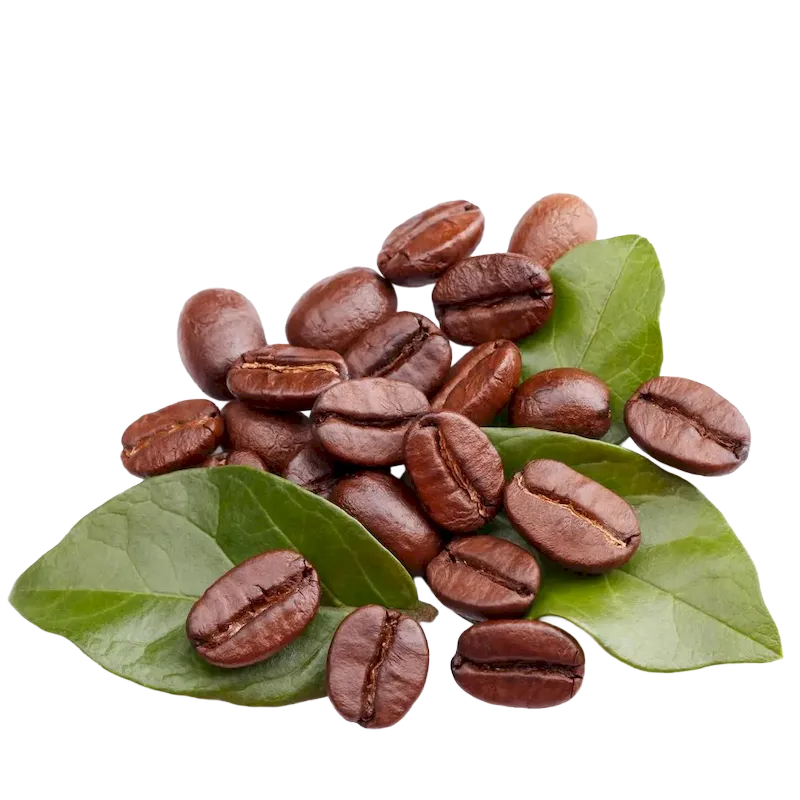
Coffee, derived from the beans of various Coffea plant species, is one of the most popular beverages globally. It is renowned for its stimulating effects and rich flavor. Coffee is cultivated in various tropical and subtropical regions around the world.القهوة، المستخلصة من حبوب أنواع مختلفة من نبات البن، هي واحدة من أكثر المشروبات شعبية في العالم. تشتهر بتأثيرها المنشط ونكهتها الغنية. تُزرع القهوة في مناطق استوائية وشبه استوائية متنوعة حول العالم.
Categoryالفئة
• Stimulating (due to caffeine)
• Aromatic
• Potential antioxidant effects• منشط (بسبب الكافيين)
• عطري
• تأثيرات مضادة للأكسدة محتملة
Habitatالموطن
Coffee plants thrive in tropical and subtropical climates, primarily in countries near the equator. They require well-drained soil and are grown in plantations. The coffee beans are the primary part used for brewing coffee beverages. تزدهر أشجار البن في المناخات الاستوائية وشبه الاستوائية، وخاصة في البلدان القريبة من خط الاستواء. وهي تحتاج إلى تربة جيدة التصريف وتُزرع في مزارع. حبوب البن هي الجزء الأساسي المستخدم في تحضير مشروبات القهوة.
Parts usedالأجزاء المستخدمة
• Coffee beans (seeds) • حبوب البن (البذور)
Key constituentsالمكوّنات الفعّالة
• Caffeine (methylxanthine alkaloid — 1.2–2.2% dry bean; CNS stimulant, ergogenic)
• Chlorogenic acids (primary phenolic — ~6–9% green bean; hydroxycinnamic acid esters; antioxidant, anti-diabetic)
• Caffeic acid (phenolic acid — from chlorogenic acid metabolism; antioxidant)
• Quinic acid (cyclitol — from chlorogenic acid; flavor, diuretic)
• Trigonelline (alkaloid — ~0.6–1.0%; degrades to niacin/B3 on roasting; neuroprotective)
• Diterpenes (cafestol, kahweol — in unfiltered coffee; hepatotoxic/anti-cancer; raise LDL)
• Melanoidins (Maillard products — ~25% of roasted coffee; antioxidant, prebiotic)
• Theobromine (methylxanthine — trace; vasodilatory)
• Theophylline (methylxanthine — trace; bronchodilatory)
• Niacin/Vitamin B3 (from trigonelline roasting; ~–6 mg/100g brewed)
• Potassium (~116 mg/100g brewed; electrolyte balance)
• Antioxidant polyphenols (flavonoids: quercetin, rutin — in green coffee)
• Lipids (green bean oil ~12–18%: linoleic, palmitic acids — nutritive)• الكافيين (قلويد ميثيل زانثين - 1.2-2.2% من حبوب البن الجافة؛ منبه للجهاز العصبي المركزي، ومحسن للأداء)
• أحماض الكلوروجينيك (فينولية أساسية - حوالي 6-9% من حبوب البن الخضراء؛ إسترات حمض الهيدروكسي سيناميك؛ مضاد للأكسدة، ومضاد لداء السكري)
• حمض الكافيين (حمض فينولي - من استقلاب حمض الكلوروجينيك؛ مضاد للأكسدة)
• حمض الكينيك (سيكليتول - من حمض الكلوروجينيك؛ نكهة، ومدر للبول)
• التريجونيلين (قلويد - حوالي 0.6-1.0%؛ يتحلل إلى نياسين/فيتامين ب3 عند التحميص؛ واقٍ للأعصاب)
• ثنائي التربينات (كافستول، كاهويول - في القهوة غير المفلترة؛ سام للكبد/مضاد للسرطان؛ يرفع مستوى الكوليسترول الضار)
• الميلانويدينات (منتجات تفاعل ميلارد - حوالي 25% من القهوة المحمصة؛ مضاد للأكسدة، وبريبيوتيك)
• الثيوبرومين (ميثيل زانثين - كمية ضئيلة؛ موسع للأوعية الدموية) الثيوفيلين (ميثيل زانثين - كمية ضئيلة؛ موسع للشعب الهوائية)
• النياسين/فيتامين ب3 (من تحميص التريجونيلين؛ حوالي 6 ملغ/100 غرام من القهوة المخمرة)
• البوتاسيوم (حوالي 116 ملغ/100 غرام من القهوة المخمرة؛ توازن الكهارل)
• مضادات الأكسدة من البوليفينولات (الفلافونويدات: الكيرسيتين، الروتين - في القهوة الخضراء)
• الدهون (زيت الفاصوليا الخضراء حوالي 12-18%: حمض اللينوليك، حمض البالمتيك - مغذي)
Researchالأبحاث
Research on coffee has extensively studied its stimulating effects, antioxidant properties, and potential health benefits. Coffee is one of the most widely consumed beverages globally and is a subject of ongoing scientific inquiry. أُجريت أبحاث مكثفة حول القهوة، تناولت تأثيراتها المنشطة وخصائصها المضادة للأكسدة وفوائدها الصحية المحتملة. تُعدّ القهوة من أكثر المشروبات استهلاكاً على مستوى العالم، وهي موضوع بحث علمي مستمر.
Published researchأبحاث منشورة
↗ Coffee consumption and health: umbrella review of meta-analyses of multiple health outcomes↗ A meta-analysis and systematic review of randomized clinical trials on the effect of coffee consumption on heart rate↗ Long-term coffee consumption and risk of cardiovascular disease: a systematic review and a dose-response meta-analysis of prospective cohort studiesTraditional useالاستخدام التقليدي
Coffee is consumed daily by millions of people worldwide as a popular beverage. It is enjoyed for its stimulating effects, aroma, and flavor. Coffee is also used in culinary applications, such as baking and cooking. يستهلك ملايين الأشخاص حول العالم القهوة يومياً كمشروب شائع، ويستمتعون بها لما لها من تأثيرات منشطة ورائحة ونكهة مميزة. كما تُستخدم القهوة في الطهي، مثل الخبز والطبخ.
Current useالاستخدام الحالي
Coffee beans are roasted and ground to make coffee beverages. They can also be used in culinary dishes, desserts, and various coffee-based recipes. Coffee can be prepared as brewed coffee, espresso, or other specialty coffee drinks. تُحمّص حبوب البن وتُطحن لتحضير مشروبات القهوة. كما يمكن استخدامها في أطباق الطهي والحلويات ووصفات متنوعة تعتمد على القهوة. ويمكن تحضير القهوة كقهوة مُفلترة أو إسبريسو أو غيرها من مشروبات القهوة المتخصصة.
Preparationsالتحضيرات
Culinaryطهي
Used for these conditionsيُستخدم لهذه الحالات
Adult dosageجرعة البالغين
Dosage recommendations for coffee vary widely depending on individual preferences and brewing methods. A standard cup of coffee contains approximately 95 milligrams of caffeine, but caffeine content can vary. Moderate coffee consumption is generally considered safe for most adults. تختلف توصيات جرعات القهوة اختلافًا كبيرًا تبعًا للتفضيلات الشخصية وطرق التحضير. يحتوي فنجان القهوة القياسي على حوالي 95 ملليغرامًا من الكافيين، ولكن قد يختلف محتوى الكافيين. يُعتبر استهلاك القهوة باعتدال آمنًا بشكل عام لمعظم البالغين.
Child dosageجرعة الأطفال
Coffee consumption for children is generally discouraged due to its caffeine content, which may not be suitable for young individuals. Exact dosage recommendations for children may vary, but it's advisable to limit or avoid coffee consumption.يُنصح عمومًا بتجنب تناول الأطفال للقهوة نظرًا لاحتوائها على الكافيين، الذي قد لا يكون مناسبًا لهم. قد تختلف الجرعات الموصى بها للأطفال، ولكن يُنصح عمومًا بالحد من استهلاك القهوة أو تجنبه تمامًا.
Cautionتحذيرات
Coffee is a stimulant due to its caffeine content. Excessive coffee consumption can lead to caffeine-related side effects, including restlessness, insomnia, and digestive issues. Some individuals may be more sensitive to caffeine and should limit their intake. Pregnant individuals should consult healthcare providers regarding caffeine consumption. القهوة منبهة لاحتوائها على الكافيين. قد يؤدي الإفراط في تناولها إلى آثار جانبية مرتبطة بالكافيين، كالأرق والقلق ومشاكل في الجهاز الهضمي. بعض الأشخاص أكثر حساسية للكافيين، لذا يُنصح بتقليل استهلاكه. كما يُنصح الحوامل باستشارة الطبيب قبل تناول الكافيين.
Pregnancy & nursingالحمل والرضاعة
Avoid during Pregnancy/Nursingيمنع أثناء الحمل والرضاعة