
Introductionمقدّمة
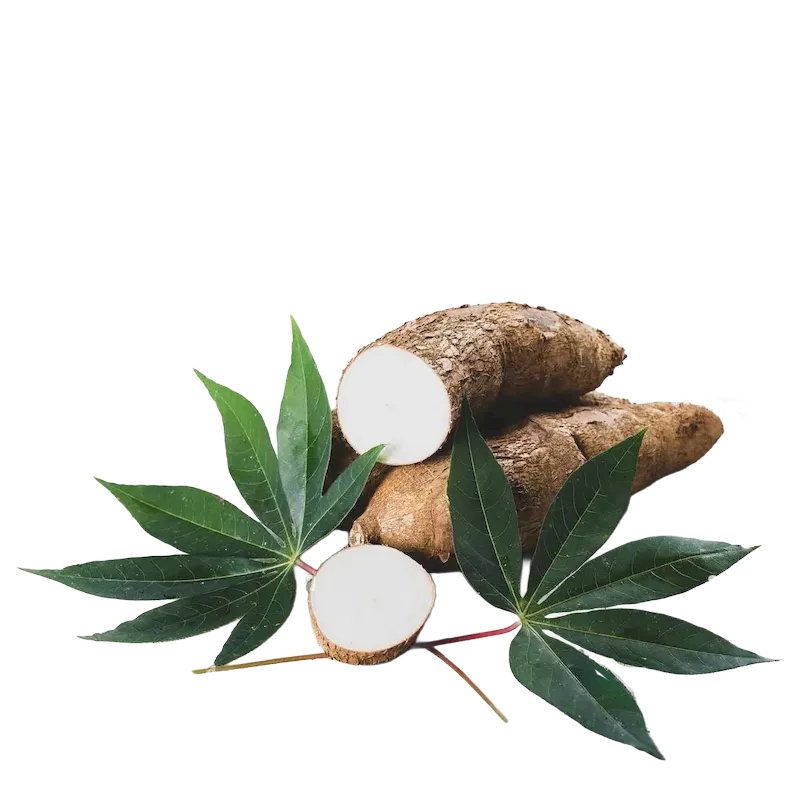
Cassava, scientifically known as Manihot esculenta, is a woody shrub native to South America. It belongs to the Euphorbiaceae family and is widely cultivated for its starchy tuberous roots, which serve as a vital source of carbohydrates in many tropical countries. Cassava has been a staple food for centuries and is known for its culinary and economic importance. الكاسافا، واسمها العلمي Manihot esculenta، شجيرة خشبية موطنها الأصلي أمريكا الجنوبية. تنتمي إلى الفصيلة الفربيونية (Euphorbiaceae)، وتُزرع على نطاق واسع لجذورها الدرنية النشوية، التي تُعد مصدرًا حيويًا للكربوهيدرات في العديد من البلدان الاستوائية. لطالما كانت الكاسافا غذاءً أساسيًا لقرون، وتشتهر بأهميتها الغذائية والاقتصادية.
Categoryالفئة
• Main source of dietary carbohydrates in tropical regions
• Potential as a food and industrial crop
• Limited traditional herbal uses• مصدر رئيسي للكربوهيدرات الغذائية في المناطق الاستوائية
• إمكانية استخدامه كمحصول غذائي وصناعي
• استخدامات عشبية تقليدية محدودة
Habitatالموطن
Cassava is cultivated in tropical and subtropical regions around the world. It thrives in well-drained soils and is valued for its starchy roots, which are rich in carbohydrates. The key constituents of Cassava include starch, dietary fiber, vitamins, and minerals, with variations in nutritional content among different varieties.تُزرع الكسافا في المناطق الاستوائية وشبه الاستوائية حول العالم. وتزدهر في التربة جيدة التصريف، وتُقدّر لجذورها النشوية الغنية بالكربوهيدرات. تشمل المكونات الرئيسية للكسافا النشا والألياف الغذائية والفيتامينات والمعادن، مع وجود اختلافات في المحتوى الغذائي بين الأصناف المختلفة.
Parts usedالأجزاء المستخدمة
• Tuberous roots • جذور درنية
Key constituentsالمكوّنات الفعّالة
• Cyanogenic glycosides (linamarin; lotaustralin — key antinutritional/toxicity-related constituents)
• Starch polysaccharides (amylose + amylopectin; dominant in the root/tuber)
• Dietary fiber (non-starch polysaccharides; higher in whole/root products vs refined starch)
• Phenolics (phenolic acids + total polyphenols; antioxidant fraction, more prominent in leaves/peels than refined starch)
• Flavonoids (quercetin/kaempferol/catechin/rutin-type compounds reported, especially in foliage)
• Tannins (polyphenolic astringents; more notable in leaves/peel)
• Saponins (minor–moderate; more reported in foliage)
• Minerals (potassium, calcium, magnesium, iron—vary by cultivar and processing)• جليكوسيدات سيانوجينية (لينامارين؛ لوتوسترالين - مكونات رئيسية مضادة للتغذية/مرتبطة بالسمية)
• عديدات السكاريد النشوية (الأميلوز + الأميلوبكتين؛ سائدة في الجذر/الدرنة)
• الألياف الغذائية (عديدات السكاريد غير النشوية؛ أعلى في المنتجات الكاملة/الجذرية مقارنة بالنشا المكرر)
• المركبات الفينولية (الأحماض الفينولية + إجمالي البوليفينولات؛ جزء مضاد للأكسدة، أكثر بروزًا في الأوراق/القشور من النشا المكرر)
• الفلافونويدات (تم الإبلاغ عن مركبات من نوع الكيرسيتين/الكامفيرول/الكاتشين/الروتين، خاصة في الأوراق)
• التانينات (مواد قابضة بوليفينولية؛ أكثر بروزًا في الأوراق/القشور)
• الصابونينات (بكميات قليلة إلى متوسطة؛ تم الإبلاغ عنها بكميات أكبر في الأوراق)
• المعادن (البوتاسيوم، الكالسيوم، المغنيسيوم، الحديد - تختلف باختلاف الصنف والمعالجة)
Researchالأبحاث
Research on Cassava has primarily focused on its role as a major source of dietary carbohydrates, its use as a food and industrial crop, and improvements in cultivation practices. It is not typically associated with traditional herbal medicine due to its primary use as a staple food.ركزت الأبحاث على الكسافا بشكل أساسي على دورها كمصدر رئيسي للكربوهيدرات الغذائية، واستخدامها كمحصول غذائي وصناعي، وتحسين ممارسات زراعتها. ولا ترتبط عادةً بالطب العشبي التقليدي نظرًا لاستخدامها الأساسي كغذاء رئيسي.
Traditional useالاستخدام التقليدي
Cassava is a staple food in many tropical countries and is used for culinary purposes. The primary part used is the starchy tuberous root, which is processed into various dishes and products. يُعد الكسافا غذاءً أساسياً في العديد من البلدان الاستوائية، ويُستخدم في الطهي. الجزء الرئيسي المستخدم هو الجذر الدرني النشوي، الذي يُصنع منه أطباق ومنتجات متنوعة.
Current useالاستخدام الحالي
Cassava is primarily prepared as a dietary staple in various forms, including boiled, roasted, or processed into flour for baking and cooking. Its culinary uses are diverse and depend on regional traditions. تُحضّر الكسافا في المقام الأول كغذاء أساسي بأشكال مختلفة، بما في ذلك السلق والتحميص أو طحنها إلى دقيق للخبز والطبخ. وتتنوع استخداماتها في الطهي وتعتمد على التقاليد الإقليمية.
Preparationsالتحضيرات
Culinaryطهي
Used for these conditionsيُستخدم لهذه الحالات
Adult dosageجرعة البالغين
Dosage recommendations for Cassava are not provided here, as it is typically consumed as a staple food in various culinary preparations. The quantity consumed varies based on dietary and culinary preferences. لا تُقدّم هنا توصيات بشأن جرعات الكسافا، لأنها تُستهلك عادةً كغذاء أساسي في العديد من الأطباق. وتختلف الكمية المستهلكة باختلاف النظام الغذائي والتفضيلات الطهوية.
Child dosageجرعة الأطفال
Dosage recommendations for Cassava are not provided here, as it is typically consumed as a staple food in various culinary preparations. The quantity consumed varies based on dietary and culinary preferences. لا تُقدّم هنا توصيات بشأن جرعات الكسافا، لأنها تُستهلك عادةً كغذاء أساسي في العديد من الأطباق. وتختلف الكمية المستهلكة باختلاف النظام الغذائي والتفضيلات الطهوية.
Cautionتحذيرات
Cassava is generally considered safe for consumption when properly processed and prepared. However, it contains naturally occurring cyanogenic glycosides, which can release toxic cyanide when consumed raw or underprocessed. To ensure safety, cassava must be properly peeled, soaked, and cooked before consumption to reduce cyanide content. Additionally, it should be part of a balanced diet to avoid potential nutritional deficiencies.يُعتبر الكسافا آمنًا للاستهلاك عمومًا عند معالجته وتحضيره بشكل صحيح. مع ذلك، فهو يحتوي على جليكوسيدات سيانوجينية طبيعية، والتي قد تُطلق السيانيد السام عند تناوله نيئًا أو غير معالج جيدًا. ولضمان السلامة، يجب تقشير الكسافا ونقعها وطهيها جيدًا قبل تناولها لتقليل محتوى السيانيد. إضافةً إلى ذلك، ينبغي أن يكون جزءًا من نظام غذائي متوازن لتجنب أي نقص غذائي محتمل.