Introductionمقدّمة
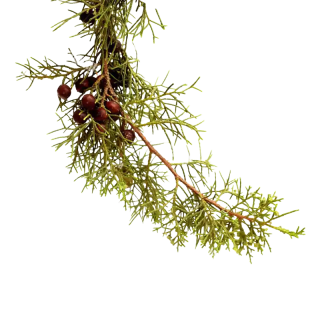
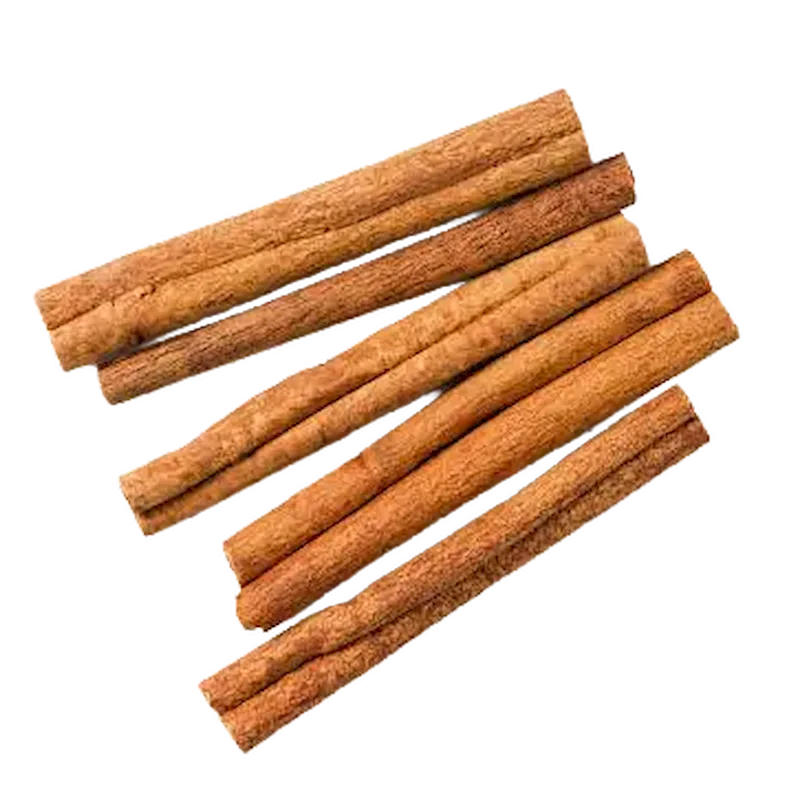
Canella, scientifically known as Canella winterana, is a small to medium-sized tree native to the Caribbean and certain parts of Central and South America. It is a member of the Canellaceae family and is recognized for its aromatic bark, which has been used traditionally for its culinary and potential medicinal properties.شجرة الكانيلا، واسمها العلمي Canella winterana، هي شجرة صغيرة إلى متوسطة الحجم موطنها الأصلي منطقة الكاريبي وأجزاء معينة من أمريكا الوسطى والجنوبية. وهي تنتمي إلى عائلة الكانيلاسيا، وتشتهر بلحاءها العطري الذي استُخدم تقليديًا لخصائصه الغذائية والطبية المحتملة.
Categoryالفئة
• Aromatic
• Potential digestive aid
• Traditional use for flavoring and fragrance• عطري
• مساعد محتمل للهضم
• استخدام تقليدي للنكهة والعطر
Habitatالموطن
Canella trees are typically found in coastal areas and are well-adapted to sandy soils. They are cultivated for their aromatic bark, which is harvested for various purposes. Canella bark is known for its aromatic compounds and has a history of use in traditional medicine and culinary applications. تنتشر أشجار الكانيلا عادةً في المناطق الساحلية، وهي تتكيف جيدًا مع التربة الرملية. تُزرع هذه الأشجار من أجل لحائها العطري، الذي يُحصد لأغراض متنوعة. يُعرف لحاء الكانيلا بمركباته العطرية، وله تاريخ طويل في استخدامه في الطب التقليدي والطهي.
Parts usedالأجزاء المستخدمة
• Bark • نباح
Key constituentsالمكوّنات الفعّالة
• Eugenol (major phenylpropanoid of the bark/leaf oil — antimicrobial, analgesic, antioxidant)
• Myrcene and 1,8-cineole (monoterpenes — aromatic, antimicrobial)
• alpha-Pinene and beta-caryophyllene (terpenes — anti-inflammatory, aromatic)
• Mannitol and canellal/muzigadial (drimane sesquiterpenes — antifeedant, antimicrobial)
• Resin and volatile oil (aromatic, carminative)
Note: Canella winterana is not true cinnamon and does not contain cinnamaldehyde or cassia coumarin.• يوجينول (المركب الفينيل بروبانويدي الرئيسي في زيت اللحاء/الأوراق - مضاد للميكروبات، مسكّن، مضاد للأكسدة)
• ميرسين و1,8-سينيول (تربينات أحادية - عطرية، مضادة للميكروبات)
• ألفا-بينين وبيتا-كاريوفيلين (تربينات - مضادة للالتهاب، عطرية)
• مانيتول وكانيلال/موزيغادايال (سيسكويتربينات درِيمانية - طاردة للحشرات، مضادة للميكروبات)
• راتنج وزيت طيّار (عطري، طارد للغازات)
ملاحظة: نبات الكانيلا وينتيرانا ليس القرفة الحقيقية ولا يحتوي على سينامالدهيد أو كومارين الكاسيا.
Researchالأبحاث
Research on Canella has focused on its essential oil content, particularly cinnamic aldehyde, and its potential digestive and aromatic properties. It is traditionally used for flavoring and fragrance in culinary and herbal applications. ركزت الأبحاث على نبات القرفة على محتواه من الزيوت العطرية، وخاصةً سينامالدهيد، وخصائصه الهضمية والعطرية المحتملة. ويُستخدم تقليدياً لإضفاء النكهة والرائحة في الطهي والاستخدامات العشبية.
Published researchأبحاث منشورة
↗ Antiplasmodial and cytotoxic activities of drimane sesquiterpenes from Canella winterana↗ Antimycobacterial activity of chemically defined natural substances from the Caribbean flora in Guadeloupe↗ Biological screening of select Puerto Rican plants for cytotoxic and antitumor activitiesTraditional useالاستخدام التقليدي
Canella bark is traditionally used for its aromatic qualities and as a digestive aid. It is valued for its use in flavoring food and beverages and for its potential therapeutic benefits.يُستخدم لحاء نبات القرفة تقليديًا لخصائصه العطرية ولمساعدته على الهضم. ويُقدّر استخدامه في إضفاء النكهة على الأطعمة والمشروبات، ولفوائده العلاجية المحتملة.
Current useالاستخدام الحالي
Canella bark can be prepared as herbal infusions, tinctures, or used as a culinary spice and flavoring agent. It is primarily used for its aromatic properties and potential digestive benefits. يمكن تحضير لحاء نبات القرفة على شكل مشروبات عشبية أو صبغات، أو استخدامه كتوابل ومنكهات في الطهي. ويُستخدم بشكل أساسي لخصائصه العطرية وفوائده المحتملة على الجهاز الهضمي.
Preparationsالتحضيرات
Culinary, Infusion, Tinctureخلاصة سائلة, طهي, منقوع
Used for these conditionsيُستخدم لهذه الحالات
Adult dosageجرعة البالغين
Dosage recommendations for Canella can vary depending on the specific culinary or herbal application. It is typically used in appropriate quantities for flavoring and fragrance purposes in cooking and traditional remedies. تختلف توصيات الجرعات لنبات القرفة باختلاف الاستخدام المحدد له في الطهي أو الطب الشعبي. ويُستخدم عادةً بكميات مناسبة لإضفاء النكهة والرائحة على الطعام والعلاجات التقليدية.
Child dosageجرعة الأطفال
Consult a qualified herbalist or healthcare provider for appropriate dosages for children. استشر أخصائي أعشاب مؤهل أو مقدم رعاية صحية لتحديد الجرعات المناسبة للأطفال.
Cautionتحذيرات
Canella is generally considered safe when used as a culinary spice and flavoring agent. However, individuals with allergies or sensitivities should use it with caution. If using Canella for therapeutic purposes, consult with a qualified healthcare provider. يُعتبر نبات القرفة آمناً بشكل عام عند استخدامه كتوابل ومنكّه في الطهي. مع ذلك، ينبغي على الأشخاص الذين يعانون من الحساسية استخدامه بحذر. في حال استخدام القرفة لأغراض علاجية، يُرجى استشارة طبيب مختص.