Introductionمقدّمة
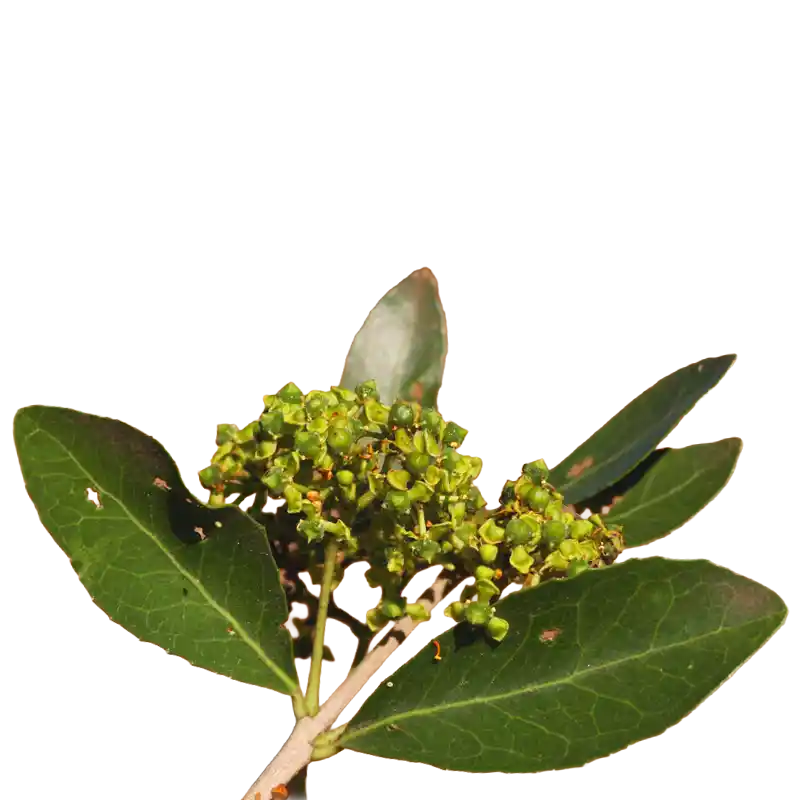
Elaeodendron transvaalense (bushveld saffron) is one of southern Africa's most traded medicinal barks, used for skin conditions, stomach complaints, fevers and sexually-transmitted infections. Studies confirm antimicrobial and anti-inflammatory activity, but it contains cardiac glycosides and can be toxic, so it must be used carefully.زعفران البُشفلد (Elaeodendron transvaalense) من أكثر اللحاءات الدوائية تداولاً في جنوب إفريقيا، يُستعمل للأمراض الجلدية وشكاوى المعدة والحمّى والأمراض المنقولة جنسياً. وتؤكّد الدراسات نشاطاً مضاداً للميكروبات والالتهاب، لكنه يحوي غليكوزيدات قلبية وقد يكون سامّاً، فيجب استعماله بحذر.
Categoryالفئة
• Popular African medicinal bark
• Antimicrobial / antibacterial
• Anti-inflammatory / antioxidant
• Traditional skin, gut & STI remedy
• Contains cardiac glycosides — caution• لحاءٌ إفريقيّ دوائيّ شائع
• مضاد للميكروبات/الجراثيم
• مضاد للالتهاب/الأكسدة
• علاجٌ تقليدي للجلد والأمعاء والأمراض المنقولة
• يحوي غليكوزيدات قلبية — حذر
Habitatالموطن
A small to medium evergreen tree with a saffron-coloured under-bark, of bushveld and dry woodland in southern Africa.شجرةٌ صغيرة إلى متوسطة دائمة الخُضرة بلحاءٍ داخليّ بلون الزعفران، في البُشفلد والغابات الجافّة بجنوب إفريقيا.
Parts usedالأجزاء المستخدمة
• Bark (mainly)
• Roots
• Leaves• اللحاء (أساساً)
• الجذور
• الأوراق
Key constituentsالمكوّنات الفعّالة
• Lupenol/lupane triterpenes
• Cardiac (cardenolide) glycosides
• Polyphenols & tannins
• Flavonoids• تريتربينات لوبينية/لوبان
• غليكوزيدات قلبية (كاردينوليدية)
• بوليفينولات وعفص
• فلافونويدات
Researchالأبحاث
Studies isolated antimicrobial lupane triterpenes and a polyphenol from Elaeodendron transvaalense bark, and reviews document antibacterial, antifungal and anti-inflammatory activity supporting its many traditional uses. However, the genus is known to contain toxic cardiac glycosides and poisonings have occurred, so it should only be used in small, knowledgeable doses.عزلت الدراسات تريتربينات لوبانية مضادة للميكروبات وبوليفينولاً من لحاء زعفران البُشفلد، وتوثّق المراجعات نشاطاً مضاداً للجراثيم والفطريات والالتهاب يدعم استعمالاته التقليدية الكثيرة. لكن الجنس معروفٌ باحتوائه غليكوزيدات قلبية سامّة وقد حدثت حالات تسمّم، فلا يُستعمل إلا بجرعاتٍ صغيرة خبيرة.
Published researchأبحاث منشورة
Traditional useالاستخدام التقليدي
Used in southern-African traditional medicine for skin conditions and wounds, stomach and abdominal complaints and diarrhoea, fevers and colds, sexually-transmitted infections, and as a 'blood purifier' and general remedy.يُستعمل في الطبّ التقليدي الجنوب إفريقيّ للأمراض الجلدية والجروح وشكاوى المعدة والبطن والإسهال والحمّى والزكام والأمراض المنقولة جنسياً، و«مُنقّياً للدم» ودواءً عاماً.
Current useالاستخدام الحالي
A widely traded traditional medicinal bark; used in decoctions and washes. Studied for its antimicrobial compounds.لحاءٌ دوائيّ تقليديّ واسع التداول؛ يُستعمل مغليّاً وغسولاً. ويُدرَس لمركّباته المضادة للميكروبات.
Preparationsالتحضيرات
Bark decoction (small dose), Wash, Powderمغليّ لحاء (جرعة صغيرة)، غسول، مسحوق
Used for these conditionsيُستخدم لهذه الحالات
Adult dosageجرعة البالغين
Only small traditional doses under knowledgeable guidance — the plant contains toxic glycosides.جرعاتٌ تقليدية صغيرة فقط بإرشاد خبير — فالنبتة تحوي غليكوزيدات سامّة.
Child dosageجرعة الأطفال
Not for children.لا يُستعمل للأطفال.
Cautionتحذيرات
Contains cardiac glycosides and can be toxic — overdose can affect the heart and cause serious poisoning, and human poisonings from Elaeodendron are documented. Use only small amounts under knowledgeable guidance, avoid with heart-glycoside (digoxin) medicines and in pregnancy, and do not self-dose the raw bark.يحوي غليكوزيدات قلبية وقد يكون سامّاً — والجرعة المفرطة قد تؤثّر في القلب وتسبّب تسمّماً خطيراً، وتوثّق حالات تسمّم بشرية من الإيلايودندرون. استعمِل كميات صغيرة فقط بإرشاد خبير، وتجنّبه مع أدوية غليكوزيدات القلب (الديجوكسين) وفي الحمل، ولا تُداوِ ذاتياً باللحاء الخام.
Pregnancy & nursingالحمل والرضاعة
Avoid in pregnancy — potentially toxic cardiac glycosides.يُتجنَّب في الحمل — غليكوزيدات قلبية محتملة السُّميّة.