
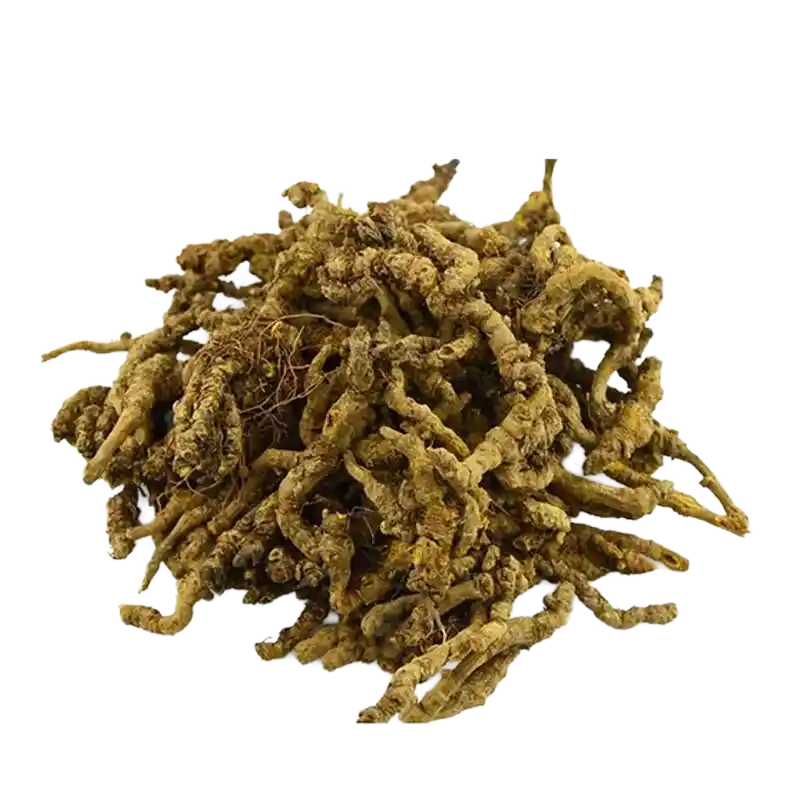
Introductionمقدّمة
Berberine is a bright-yellow isoquinoline alkaloid found in the roots, bark and rhizomes of several plants — barberry (Berberis vulgaris and the Indian Berberis aristata), goldenseal (Hydrastis canadensis), Oregon grape (Mahonia aquifolium) and Chinese goldthread (Coptis chinensis). It is not a herb in itself but the principal active compound shared by all of these, and is best known today as a metabolic supplement for blood sugar and cholesterol.البربرين قلويد إيزوكينولين أصفر زاهٍ يوجد في جذور ولحاء وجذامير عدة نباتات — البرباريس (Berberis vulgaris والبرباريس الهندي Berberis aristata)، وخاتم الذهب (Hydrastis canadensis)، وعنب أوريغون (Mahonia aquifolium)، وهوانغ ليان الصيني (Coptis chinensis). وهو ليس عشبة بحد ذاته بل المادة الفعّالة الرئيسية المشتركة بين هذه النباتات جميعاً، ويُعرف اليوم أساساً كمكمل غذائي أيضي لدعم سكر الدم والكولسترول.
Categoryالفئة
• Metabolic & blood-sugar support• Cholesterol & lipid support• Antimicrobial & digestive• دعم التمثيل الغذائي وسكر الدم• دعم الكولسترول والدهون• مضاد للميكروبات وداعم للهضم
Habitatالموطن
Berberine is not a plant but a compound concentrated in the root and stem bark of barberry-family plants growing across Europe, the Middle East, the Himalayas and East Asia. Coptis chinensis and Berberis aristata carry some of the highest natural concentrations, which is why they are the main commercial sources of standardized berberine.البربرين ليس نباتاً بل مركّب يتركّز في لحاء الجذور والسيقان لنباتات فصيلة البرباريس المنتشرة في أوروبا والشرق الأوسط والهيمالايا وشرق آسيا. ويحتوي كل من Coptis chinensis وBerberis aristata على أعلى التركيزات الطبيعية منه، ولذلك يُعدّان المصدرين التجاريين الرئيسيين للبربرين المعياري.
Parts usedالأجزاء المستخدمة
• Root and rhizome of source plants (richest in berberine)
• Stem and root bark
• Isolated / standardized extract (berberine hydrochloride)• جذور وجذامير النباتات المصدر (الأغنى بالبربرين)
• لحاء الساق والجذر
• المستخلص المعزول / المعياري (هيدروكلوريد البربرين)
Key constituentsالمكوّنات الفعّالة
• Berberine (quaternary isoquinoline alkaloid — the active molecule; AMPK activator, antihyperglycemic, lipid-lowering, antimicrobial)
• Berberine hydrochloride / sulfate (the usual supplement salt forms — better solubility and absorption)
• Related plant alkaloids often present alongside it (palmatine, jatrorrhizine, columbamine — antimicrobial, additive activity)
• Dihydroberberine (a reduced form with higher bioavailability used in some supplements)• البربرين (قلويد إيزوكينولين رباعي — الجزيء الفعّال؛ منشّط لإنزيم AMPK، خافض لسكر الدم، خافض للدهون، مضاد للميكروبات)
• هيدروكلوريد / كبريتات البربرين (صيغتا الملح الشائعتان في المكملات — ذوبانية وامتصاص أفضل)
• قلويدات نباتية مرافقة له غالباً (بالماتين، جاترورهيزين، كولومبامين — مضادة للميكروبات، ذات فعالية مُضافة)
• ثنائي هيدرو البربرين (صيغة مُختزَلة أعلى توافراً حيوياً تُستخدم في بعض المكملات)
Researchالأبحاث
Berberine is among the most studied plant compounds in metabolic health. Systematic reviews and meta-analyses of randomized trials report meaningful reductions in fasting blood glucose and HbA1c — in several trials comparable to oral agents such as metformin — together with lower LDL cholesterol, total cholesterol and triglycerides. Its main mechanism is activation of AMPK, a cellular energy sensor that improves how the body handles glucose and fat. Smaller trials also suggest benefit in polycystic ovary syndrome (PCOS) and insulin resistance. The evidence is promising but trial quality varies, and berberine is not a replacement for prescribed medication.يُعدّ البربرين من أكثر المركّبات النباتية دراسةً في مجال صحة التمثيل الغذائي. وتُظهر المراجعات المنهجية والتحليلات البعدية للتجارب العشوائية انخفاضاً ملموساً في سكر الدم الصائم والخضاب السكري (HbA1c) — بدرجة مماثلة في عدة تجارب لأدوية فموية مثل الميتفورمين — إلى جانب خفض كولسترول LDL والكولسترول الكلي والدهون الثلاثية. وآليته الرئيسية هي تنشيط إنزيم AMPK، وهو مستشعر الطاقة الخلوي الذي يحسّن تعامل الجسم مع الغلوكوز والدهون. كما تشير تجارب أصغر إلى فائدة في متلازمة تكيّس المبايض ومقاومة الإنسولين. والأدلة واعدة لكن جودة التجارب متفاوتة، والبربرين ليس بديلاً عن الدواء الموصوف.
Traditional useالاستخدام التقليدي
The berberine-rich plants have a long record in traditional medicine. In Traditional Chinese Medicine, Coptis (Huang Lian) and Phellodendron (Huang Bai) were used for damp-heat conditions, dysentery and diarrhea; in Ayurveda, Berberis aristata (Daruharidra) was used for infections, wounds and eye complaints; and barberry has long been used across the Middle East and Europe for digestive and liver conditions. The shared active principle behind these uses is berberine.تتمتّع النباتات الغنية بالبربرين بسجلٍّ طويل في الطب التقليدي. ففي الطب الصيني التقليدي، استُخدم الكوبتيس (هوانغ ليان) والفيلودندرون (هوانغ باي) لحالات الحرارة الرطبة والزحار والإسهال؛ وفي الأيورفيدا، استُخدم Berberis aristata (داروهاريدرا) للالتهابات والجروح وأمراض العين؛ واستُخدم البرباريس في أنحاء الشرق الأوسط وأوروبا لاضطرابات الهضم والكبد. والمبدأ الفعّال المشترك وراء هذه الاستخدامات هو البربرين.
Current useالاستخدام الحالي
Today berberine is taken mainly as a standardized supplement (usually berberine hydrochloride) for blood-sugar control, cholesterol and triglyceride support, PCOS and general metabolic health — popularly nicknamed nature's metformin. It is also still used for digestive upset and as a natural antimicrobial.يُتناوَل البربرين اليوم أساساً كمكمّل معياري (غالباً هيدروكلوريد البربرين) لضبط سكر الدم، ودعم الكولسترول والدهون الثلاثية، وتكيّس المبايض، والصحة الأيضية عموماً — ويُلقّب شعبياً بميتفورمين الطبيعة. كما لا يزال يُستخدم لاضطرابات الهضم وكمضاد ميكروبي طبيعي.
Preparationsالتحضيرات
Capsule, Tablet, Standardized extract (berberine HCl), Tinctureكبسولة, قرص, مستخلص معياري (هيدروكلوريد البربرين), صبغة
Used for these conditionsيُستخدم لهذه الحالات
Adult dosageجرعة البالغين
A typical adult dose is 500 mg two to three times daily (about 900-1,500 mg per day), taken with or just before meals. Because berberine clears quickly, splitting the dose through the day works better than one large dose; taking it with food also eases stomach upset and matches the post-meal rise in blood sugar.الجرعة المعتادة للبالغين هي 500 ملغ مرتين إلى ثلاث مرات يومياً (نحو 900-1500 ملغ في اليوم)، تُؤخذ مع الوجبات أو قبلها مباشرة. ولأن البربرين يُطرَح بسرعة، فإن تقسيم الجرعة على مدار اليوم أفضل من جرعة واحدة كبيرة؛ كما أن تناوله مع الطعام يخفّف اضطراب المعدة ويواكب ارتفاع سكر الدم بعد الأكل.
Child dosageجرعة الأطفال
Not recommended for children, and specifically contraindicated in newborns and infants (risk of raised bilirubin / kernicterus). Use in minors only under qualified medical supervision.لا يُنصَح به للأطفال، ويُمنَع تحديداً لحديثي الولادة والرضّع (خطر ارتفاع البيليروبين / اليرقان النووي). ولا يُستخدَم للقاصرين إلا تحت إشراف طبي مختص.
Cautionتحذيرات
Commonly causes digestive side effects (diarrhea, constipation, gas, cramping), usually dose-related. It lowers blood sugar and blood pressure, so it can add to the effect of antidiabetic and antihypertensive drugs (risk of hypoglycemia / low pressure). Berberine inhibits the CYP3A4, CYP2D6 and CYP2C9 liver enzymes and P-glycoprotein, raising levels of many medicines — avoid with cyclosporine, and use caution with statins, tacrolimus, losartan, dextromethorphan, sedatives and blood thinners. Consult a doctor or pharmacist before use if you take any prescription medication.يسبّب عادةً آثاراً هضمية جانبية (إسهال، إمساك، غازات، مغص)، وغالباً ما ترتبط بالجرعة. وهو يخفض سكر الدم وضغطه، فقد يتضاعف أثره مع أدوية السكري والضغط (خطر هبوط السكر / الضغط). ويثبّط البربرين إنزيمات الكبد CYP3A4 وCYP2D6 وCYP2C9 والبروتين السكري P، فيرفع مستويات أدوية كثيرة — يُجتنَب مع السيكلوسبورين، ويُستخدَم بحذر مع الستاتينات والتاكروليموس واللوسارتان والديكستروميثورفان والمهدّئات ومميّعات الدم. استشر الطبيب أو الصيدلي قبل الاستخدام إذا كنت تتناول أي دواء موصوف.
Pregnancy & nursingالحمل والرضاعة
Contraindicated in pregnancy and breastfeeding. Berberine crosses the placenta and passes into breast milk; it can displace bilirubin and has caused kernicterus (brain damage) in newborns. Do not use if pregnant, nursing, or in infants.يُمنَع أثناء الحمل والرضاعة. يعبر البربرين المشيمة وينتقل إلى حليب الأم؛ وقد يُزيح البيليروبين وتسبّب في اليرقان النووي (تلف الدماغ) لدى حديثي الولادة. لا يُستخدَم للحوامل أو المرضعات أو الرضّع.