
Introductionمقدّمة
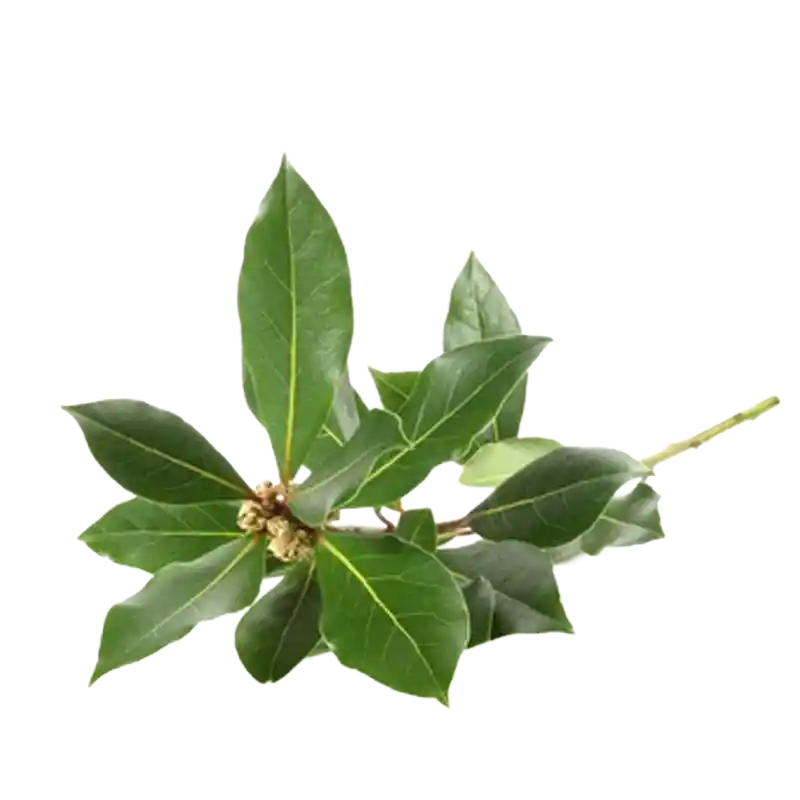
Laurus azorica is the Macaronesian (Azores/Canary) laurel, a close relative of the culinary bay tree. Its aromatic leaves yield a 1,8-cineole-rich essential oil with antioxidant and antimicrobial properties, used like bay for flavour and digestion.غار الأزور (Laurus azorica) هو الغار الماكاروني (الأزور/الكناري)، قريبٌ وثيق لشجرة الغار الطهوية. وتُنتج أوراقه العطرية زيتاً طيّاراً غنياً بالسينيول 1,8 ذا خصائص مضادة للأكسدة والميكروبات، يُستعمل كالغار للنكهة والهضم.
Categoryالفئة
• Bay-laurel relative
• Aromatic culinary leaf
• Antioxidant
• Antimicrobial
• Digestive / carminative• قريبٌ لورق الغار
• ورقٌ عطريّ للطهو
• مضاد للأكسدة
• مضاد للميكروبات
• هاضم/طاردٌ للريح
Habitatالموطن
An evergreen laurel-forest tree of the Azores, Canary Islands and Madeira ('laurisilva' cloud forest).شجرة غابةٍ غارية دائمة الخُضرة في الأزور وجزر الكناري وماديرا (غابة «اللوريسيلفا» الضبابية).
Parts usedالأجزاء المستخدمة
• Leaves
• Essential oil
• Berries• الأوراق
• الزيت الطيّار
• الثمار
Key constituentsالمكوّنات الفعّالة
• Essential oil (1,8-cineole, α-terpinyl acetate)
• Sesquiterpene lactones
• Flavonoids
• Tannins• زيتٌ طيّار (سينيول 1,8، خلّات ألفا-تيربينيل)
• لاكتونات سيسكويتربينية
• فلافونويدات
• عفص
Researchالأبحاث
Analyses of Laurus essential oils from the Macaronesian islands, including Laurus azorica, report a cineole-dominant oil with antioxidant and antimicrobial activity, mirroring the well-documented properties of culinary bay (Laurus nobilis). Human clinical data are limited.تذكر تحاليل زيوت الغار الطيّارة من الجزر الماكارونية، ومنها غار الأزور، زيتاً يغلب عليه السينيول بنشاطٍ مضاد للأكسدة والميكروبات، بما يوازي الخصائص الموثّقة جيداً للغار الطهوي (Laurus nobilis). والبيانات السريرية البشرية محدودة.
Published researchأبحاث منشورة
Traditional useالاستخدام التقليدي
Used like bay leaf as an aromatic culinary herb and a digestive, and in folk practice for the stomach, colds and as a mild antiseptic.يُستعمل كورق الغار عشبةً طهوية عطرية وهاضماً، وفي الممارسة الشعبية للمعدة والزكام ومطهّراً خفيفاً.
Current useالاستخدام الحالي
A regional culinary bay; the leaves and oil flavour food and are used in traditional remedies.غارٌ طهويّ إقليمي؛ وتُنكِّه الأوراق والزيت الطعام وتُستعمل في العلاجات التقليدية.
Preparationsالتحضيرات
Culinary leaf, Digestive tea, Essential oil (external)ورق طهوي، شاي هاضم، زيت طيّار (خارجي)
Used for these conditionsيُستخدم لهذه الحالات
Adult dosageجرعة البالغين
Culinary leaf amounts (1–2 leaves per dish); as a digestive tea, 1 leaf steeped after meals.كميات ورق الطهو (1–2 ورقة للطبق)؛ وكشاي هاضم، ورقة واحدة منقوعة بعد الطعام.
Child dosageجرعة الأطفال
Culinary use is fine; do not give the essential oil internally to children.الاستعمال الطهوي مقبول؛ ولا يُعطى الزيت الطيّار داخلياً للأطفال.
Cautionتحذيرات
Very safe as a kitchen herb. Remove whole leaves before eating, as they are stiff and can lodge in the throat or gut. The concentrated essential oil (rich in cineole) is strong and should not be taken undiluted; rare contact allergy in laurel-sensitive people.آمنٌ جداً عشبة مطبخ. أزِل الأوراق الكاملة قبل الأكل فهي قاسية وقد تعلق في الحلق أو الأمعاء. والزيت الطيّار المركّز (الغنيّ بالسينيول) قويّ ولا يُؤخَذ غير مخفّف؛ والتحسّس التماسّي نادر لدى الحسّاسين للغار.
Pregnancy & nursingالحمل والرضاعة
Culinary amounts are safe; avoid concentrated essential oil in pregnancy.كميات الطهو آمنة؛ ويُتجنَّب الزيت الطيّار المركّز في الحمل.


