
Introductionمقدّمة
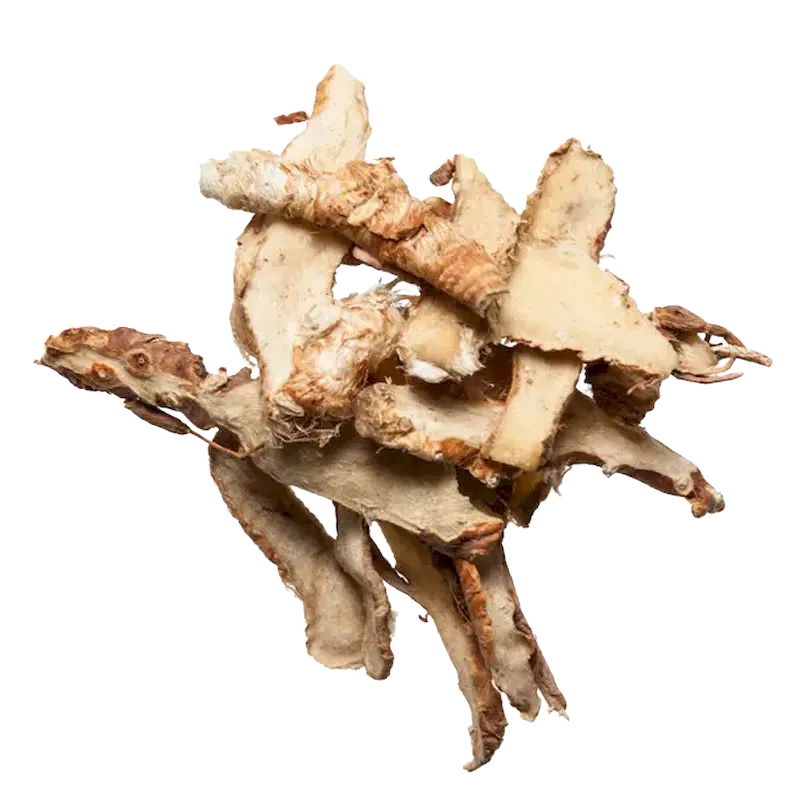
Zhi Mu, scientifically known as Anemarrhena asphodeloides, is a perennial herb native to East Asia, particularly China and Korea. It is known for its potential medicinal properties and is used in traditional Chinese medicine (TCM). نبات "زي مو"، المعروف علمياً باسم "أنيمارينا أسفوديلويدس"، هو عشب معمر موطنه الأصلي شرق آسيا، وخاصة الصين وكوريا. وهو معروف بخصائصه الطبية المحتملة ويستخدم في الطب الصيني التقليدي.
Categoryالفئة
• Potential anti-inflammatory
• Potential antipyretic (fever-reducing)
• Potential diuretic
• Potential tonic• مضاد محتمل للالتهابات
• خافض محتمل للحرارة
• مدر محتمل للبول
• منشط محتمل
Habitatالموطن
Zhi Mu is typically found in dry, rocky areas and is native to East Asian countries. It is cultivated for its rhizomes, which are used for their potential medicinal benefits in TCM. يوجد نبات تشي مو عادةً في المناطق الجافة والصخرية، وهو موطنه الأصلي دول شرق آسيا. ويُزرع من أجل جذوره، التي تُستخدم لفوائدها الطبية المحتملة في الطب الصيني التقليدي.
Parts usedالأجزاء المستخدمة
• Rhizomes • الجذور
Key constituentsالمكوّنات الفعّالة
• Mangiferin (xanthone glycoside ~1–3% — primary active; antioxidant, anti-inflammatory, antidiabetic)
• Saponins (steroidal saponins: timosaponin A-III, BII — neuroprotective, antidiabetic, anticancer)
• Flavonoids (quercetin, isoquercitrin — antioxidant, anti-inflammatory)
• Steroids (sarsasapogenin, markogenin — precursors for steroid synthesis, anti-inflammatory)
• Phenolic acids (caffeic acid, gallic acid — antioxidant)
• Alkaloids (trace — antipyretic)
• Polysaccharides (immunomodulatory, antidiabetic)
• Minerals (potassium, calcium, magnesium — nutritive)• مانجيفيرين (جليكوسيد زانثون ~1-3% - المادة الفعالة الرئيسية؛ مضاد للأكسدة، مضاد للالتهابات، مضاد لداء السكري)
• صابونينات (صابونينات ستيرويدية: تيموسابونين A-III، BII - واقي للأعصاب، مضاد لداء السكري، مضاد للسرطان)
• فلافونويدات (كيرسيتين، إيزوكيرسيترين - مضاد للأكسدة، مضاد للالتهابات)
• ستيرويدات (سارساسابوجينين، ماركوجينين - سلائف لتخليق الستيرويدات، مضاد للالتهابات)
• أحماض فينولية (حمض الكافيين، حمض الغاليك - مضاد للأكسدة)
• قلويدات (كميات ضئيلة - خافض للحرارة)
• عديدات السكاريد (معدلة للمناعة، مضادة لداء السكري)
• معادن (بوتاسيوم، كالسيوم، مغنيسيوم - مغذية)
Researchالأبحاث
Research on Zhi Mu has primarily focused on its potential anti-inflammatory, antipyretic, diuretic, and tonic properties. It is traditionally used in TCM for various health conditions. ركزت الأبحاث على نبات "زي مو" بشكل أساسي على خصائصه المحتملة المضادة للالتهابات، وخافضة للحرارة، ومدرة للبول، ومقوية للجسم. ويُستخدم تقليدياً في الطب الصيني التقليدي لعلاج حالات صحية متنوعة.
Traditional useالاستخدام التقليدي
Traditionally, the rhizomes of Zhi Mu are used for their potential medicinal benefits. They are known for their cooling properties in TCM.تُستخدم جذور نبات "زي مو" تقليدياً لفوائدها الطبية المحتملة، وهي معروفة بخصائصها المبردة في الطب الصيني التقليدي.
Current useالاستخدام الحالي
Zhi Mu can be prepared as herbal decoctions, tinctures, or used in traditional TCM formulas. It is traditionally used for its cooling, anti-inflammatory, and potential diuretic effects. يمكن تحضير نبات تشي مو على شكل مغلي عشبي أو صبغة، أو استخدامه في تركيبات الطب الصيني التقليدي. ويُستخدم تقليدياً لخصائصه المبردة والمضادة للالتهابات، فضلاً عن كونه مدراً محتملاً للبول.
Preparationsالتحضيرات
Decoction, Tinctureخلاصة سائلة, مغلي
Used for these conditionsيُستخدم لهذه الحالات
Adult dosageجرعة البالغين
Dosage recommendations for Zhi Mu may vary based on the purpose and preparation form. It is typically used in traditional TCM formulas in appropriate quantities. قد تختلف توصيات الجرعة لدواء "زي مو" بناءً على الغرض وطريقة التحضير. ويُستخدم عادةً في تركيبات الطب الصيني التقليدي بكميات مناسبة.
Child dosageجرعة الأطفال
Dosages in traditional herbal formulas may vary based on specific TCM prescriptions and individual health conditions. It's advisable to consult with a TCM practitioner for guidance on dosages and usage. قد تختلف الجرعات في التركيبات العشبية التقليدية بناءً على وصفات الطب الصيني التقليدي المحددة والحالات الصحية الفردية. يُنصح باستشارة ممارس الطب الصيني التقليدي للحصول على إرشادات بشأن الجرعات وطريقة الاستخدام.
Cautionتحذيرات
Zhi Mu is generally considered safe when used as directed in traditional TCM formulas. However, it's important to consult with a qualified TCM practitioner for personalized guidance, especially if you are pregnant, breastfeeding, or have underlying health conditions.يُعتبر دواء "زي مو" آمناً بشكل عام عند استخدامه وفقاً للإرشادات الواردة في وصفات الطب الصيني التقليدي. مع ذلك، من المهم استشارة طبيب متخصص في الطب الصيني التقليدي للحصول على إرشادات شخصية، خاصةً إذا كنتِ حاملاً أو مرضعة أو تعانين من مشاكل صحية مزمنة.
Pregnancy & nursingالحمل والرضاعة
Avoid during Pregnancy/Nursingيمنع أثناء الحمل والرضاعة