
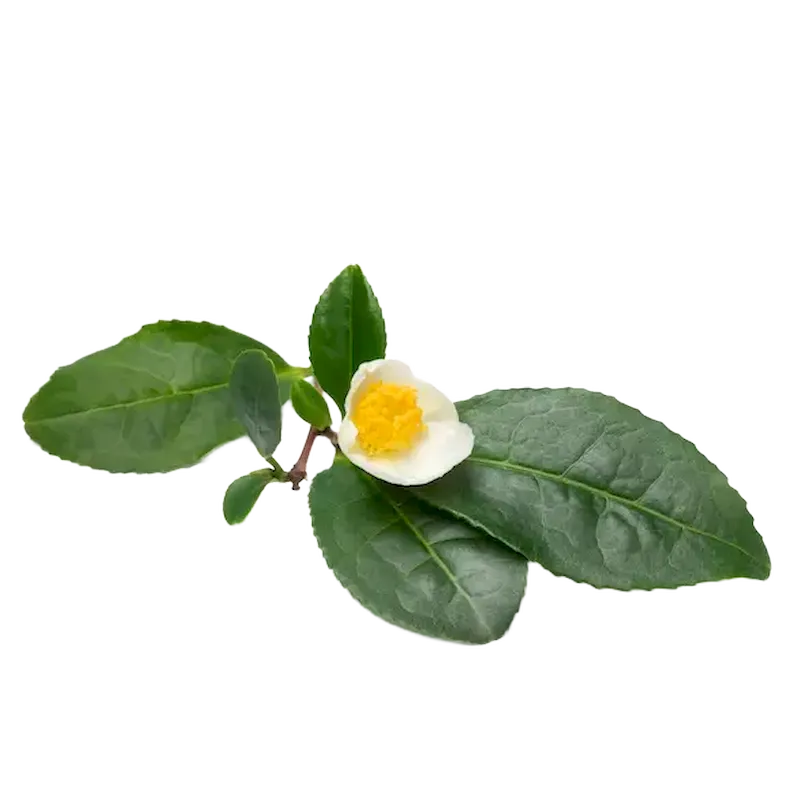
Introductionمقدّمة
Tea, scientifically known as Camellia sinensis, is an evergreen shrub native to East Asia, including China, Japan, and India. It is a member of the Theaceae family and is renowned for its leaves, which are used to make various types of tea, including green tea, black tea, white tea, and oolong tea. Tea has a rich cultural history and is one of the most widely consumed beverages worldwide. الشاي، المعروف علميًا باسم الكاميليا الصينية (Camellia sinensis)، شجيرة دائمة الخضرة موطنها الأصلي شرق آسيا، بما في ذلك الصين واليابان والهند. وهي تنتمي إلى الفصيلة الشايية (Theaceae) وتشتهر بأوراقها التي تُستخدم في صنع أنواع مختلفة من الشاي، منها الشاي الأخضر والأسود والأبيض وشاي أولونغ. للشاي تاريخ ثقافي عريق، وهو من أكثر المشروبات استهلاكًا في العالم.
Categoryالفئة
• Stimulating (due to caffeine)
• Antioxidant
• Potential cognitive effects (due to theanine)• منشط (بسبب الكافيين)
• مضاد للأكسدة
• تأثيرات معرفية محتملة (بسبب الأيانين)
Habitatالموطن
Tea plants thrive in regions with temperate climates and well-drained soils. They are cultivated for their tender young leaves and buds, which are harvested and processed to make different types of tea. The specific type of tea is determined by the processing method. Tea cultivation is a significant agricultural industry in many countries. تزدهر نباتات الشاي في المناطق ذات المناخ المعتدل والتربة جيدة التصريف. تُزرع هذه النباتات من أجل أوراقها وبراعمها الصغيرة الطرية، والتي تُحصد وتُعالج لصنع أنواع مختلفة من الشاي. ويُحدد نوع الشاي المحدد بطريقة المعالجة. وتُعد زراعة الشاي صناعة زراعية هامة في العديد من البلدان.
Parts usedالأجزاء المستخدمة
• Leaves and Buds • الأوراق والبراعم
Key constituentsالمكوّنات الفعّالة
• Caffeine (methylxanthine ~2–4% dry leaves — CNS stimulant, fat burner, alertness)
• Polyphenols (catechins: EGCG ~15–25% green tea DW; EGC, ECG, EC — primary antioxidants, anti-inflammatory, anticancer)
• Theanine (amino acid ~1–2% — anxiolytic, cognitive, synergistic with caffeine)
• Theophylline (methylxanthine ~0.01–0.02% — bronchodilator, diuretic)
• Flavonoids (quercetin, kaempferol, myricetin — antioxidant, cardiovascular)
• Tannins (theaflavins, thearubigins in black tea — astringent, antioxidant)
• Vitamins (vitamin C in green tea; vitamin K — nutritive)
• Minerals (fluoride, manganese, potassium — dental health, nutritive)• الكافيين (ميثيل زانثين ~2-4% من الأوراق الجافة - منبه للجهاز العصبي المركزي، حارق للدهون، محفز لليقظة)
• البوليفينولات (الكاتيكينات: EGCG ~15-25% من الشاي الأخضر الجاف؛ EGC، ECG، EC - مضادات أكسدة أساسية، مضادة للالتهابات، مضادة للسرطان)
• الثيانين (حمض أميني ~1-2% - مزيل للقلق، محسن للوظائف الإدراكية، يعمل بالتآزر مع الكافيين)
• الثيوفيلين (ميثيل زانثين ~0.01-0.02% - موسع للشعب الهوائية، مدر للبول)
• الفلافونويدات (كيرسيتين، كامفيرول، ميريسيتين - مضادات أكسدة، مفيدة للقلب والأوعية الدموية)
• التانينات (ثيافلافين، ثياروبيجين في الشاي الأسود - قابضة، مضادة للأكسدة)
• الفيتامينات (فيتامين ج في الشاي الأخضر؛ فيتامين ك - مغذي)
• المعادن (الفلورايد، المنغنيز، البوتاسيوم - صحة الأسنان، مغذية)
Researchالأبحاث
Extensive research on tea, particularly green tea, has focused on its bioactive compounds, such as polyphenols and theanine. Tea is recognized for its potential antioxidant properties and may have benefits for cognitive health and metabolism.ركزت الأبحاث المكثفة حول الشاي، وخاصة الشاي الأخضر، على مركباته النشطة بيولوجيًا، مثل البوليفينولات والأنين. يُعرف الشاي بخصائصه المضادة للأكسدة، وقد يكون له فوائد للصحة الإدراكية وعمليات الأيض.
Published researchأبحاث منشورة
↗ The effect of green tea on blood pressure and lipid profile: a systematic review and meta-analysis of randomized clinical trials↗ The association between green tea consumption and breast cancer risk: A systematic review and meta-analysis↗ Green tea intake lowers fasting serum total and LDL cholesterol in adults: a meta-analysis of 14 randomized controlled trialsTraditional useالاستخدام التقليدي
Tea is traditionally consumed as a beverage in various cultures worldwide. It is appreciated for its diverse flavors, cultural significance, and potential health benefits. Apart from being a popular beverage, it is also used in traditional medicine for various purposes. يُستهلك الشاي تقليديًا كمشروب في ثقافات مختلفة حول العالم، ويُقدّر لتنوع نكهاته وأهميته الثقافية وفوائده الصحية المحتملة. فضلًا عن كونه مشروبًا شائعًا، يُستخدم أيضًا في الطب التقليدي لأغراض متعددة.
Current useالاستخدام الحالي
Tea leaves and buds are processed to make different types of tea, including green, black, white, and oolong. It can be consumed as a hot or cold beverage, and specific preparations vary depending on the type of tea. تُعالج أوراق الشاي وبراعمها لصنع أنواع مختلفة من الشاي، بما في ذلك الشاي الأخضر والأسود والأبيض وشاي أولونغ. ويمكن تناوله كمشروب ساخن أو بارد، وتختلف طرق تحضيره باختلاف نوع الشاي.
Preparationsالتحضيرات
Teaشاي
Used for these conditionsيُستخدم لهذه الحالات
Adult dosageجرعة البالغين
The dosage of tea for adults can vary widely depending on personal preferences and the type of tea. It is generally recommended to consume tea in moderation, considering the caffeine content and individual tolerance.تختلف جرعة الشاي للبالغين اختلافاً كبيراً تبعاً للتفضيلات الشخصية ونوع الشاي. يُنصح عموماً بتناول الشاي باعتدال، مع مراعاة محتوى الكافيين وتحمل الجسم له.
Child dosageجرعة الأطفال
Tea consumption by children should be in moderation and ideally caffeine-free options. Herbal teas and caffeine-free versions of tea can be suitable for children. ينبغي أن يكون استهلاك الأطفال للشاي معتدلاً، ويفضل أن يكون خالياً من الكافيين. ويمكن أن تكون أنواع الشاي العشبي والشاي الخالي من الكافيين مناسبة للأطفال.
Cautionتحذيرات
Tea is generally considered safe when consumed in moderate amounts. However, excessive caffeine intake from tea can lead to side effects such as nervousness, restlessness, and sleep disturbances. It is advisable to be mindful of individual caffeine sensitivity and consume tea in moderation. يُعتبر الشاي آمناً بشكل عام عند تناوله بكميات معتدلة. مع ذلك، قد يؤدي الإفراط في تناول الكافيين الموجود في الشاي إلى آثار جانبية مثل العصبية والأرق واضطرابات النوم. لذا يُنصح بمراعاة حساسية كل فرد للكافيين وتناول الشاي باعتدال.
Pregnancy & nursingالحمل والرضاعة
In pregnancy and breastfeeding, limit caffeinated tea; keep total daily caffeine from all sources below about 200 mg (roughly 2-3 cups of tea). Excess caffeine is linked to reduced fetal growth, and tea tannins can lower iron absorption.أثناء الحمل والرضاعة، قلّلي من الشاي المحتوي على الكافيين، مع إبقاء إجمالي الكافيين اليومي من جميع المصادر أقل من نحو 200 ملغ (حوالي 2-3 أكواب شاي). الإفراط في الكافيين يرتبط بضعف نمو الجنين، وتانينات الشاي قد تقلل امتصاص الحديد.