
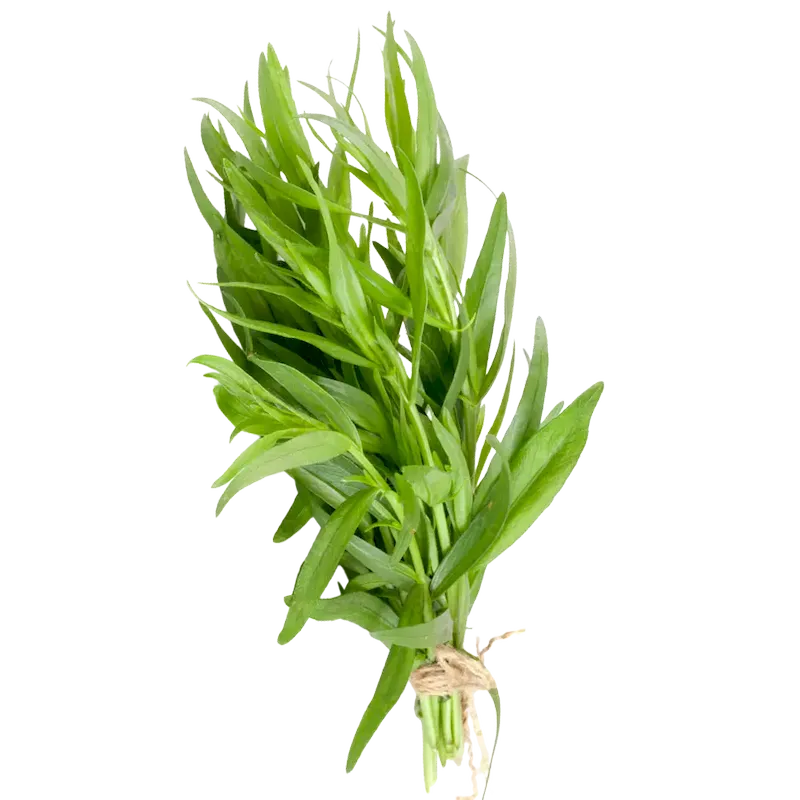
Introductionمقدّمة
Tarragon, scientifically known as Artemisia dracunculus, is a perennial herb native to Eurasia. It is a member of the Artemisia genus and is prized for its culinary and potential medicinal uses. Tarragon has a distinctive flavor and aroma that make it a popular herb in cooking.الطرخون، المعروف علميًا باسم Artemisia dracunculus، عشب معمر موطنه الأصلي أوراسيا. وهو ينتمي إلى جنس الشيح، ويُقدّر لفوائده في الطهي واستخداماته الطبية المحتملة. يتميز الطرخون بنكهة ورائحة مميزتين تجعلانه عشبًا شائعًا في الطبخ.
Categoryالفئة
• Culinary use
• Potential digestive aid
• Traditional use for appetite stimulation• الاستخدام في الطهي
• مساعد محتمل للهضم
• الاستخدام التقليدي لتحفيز الشهية
Habitatالموطن
Tarragon is typically cultivated in gardens and prefers well-drained, sandy soils with full sun exposure. It is known for its aromatic leaves, which are harvested for culinary purposes. Tarragon is primarily used as a culinary herb and flavoring agent. يُزرع الطرخون عادةً في الحدائق، ويفضل التربة الرملية جيدة التصريف والمعرضة لأشعة الشمس المباشرة. يُعرف بأوراقه العطرية التي تُقطف لأغراض الطهي. يُستخدم الطرخون بشكل أساسي كعشب طهي ومُنكّه.
Parts usedالأجزاء المستخدمة
• Leaves • أوراق
Key constituentsالمكوّنات الفعّالة
• Essential oils (estragole ~60–80%; ocimene, phellandrene ~1–2.5% leaves — antispasmodic, carminative, digestive)
• Flavonoids (naringenin, apigenin, quercetin — antioxidant, anti-inflammatory)
• Phenolic compounds (caffeic acid, chlorogenic acid — antioxidant)
• Coumarins (scopoletin, herniarin — antispasmodic)
• Tannins (~2–4% — astringent, antimicrobial)
• Polyacetylenes (antifungal activity)
• Vitamins (vitamin C, vitamin A — nutritive)
• Minerals (iron, calcium, potassium, manganese — nutritive)• زيوت عطرية (إستراغول ~60-80%؛ أوسيمين، فيلاندرين ~1-2.5% من الأوراق - مضادة للتشنج، طاردة للغازات، محسّنة للهضم)
• فلافونويدات (نارينجينين، أبيجينين، كيرسيتين - مضادة للأكسدة، مضادة للالتهابات)
• مركبات فينولية (حمض الكافيين، حمض الكلوروجينيك - مضادة للأكسدة)
• كومارين (سكوبوليتين، هيرنيارين - مضادة للتشنج)
• تانينات (~2-4% - قابضة، مضادة للميكروبات)
• بولي أسيتيلينات (مضادة للفطريات)
• فيتامينات (فيتامين ج، فيتامين أ - مغذية)
• معادن (حديد، كالسيوم، بوتاسيوم، منغنيز - مغذية)
Researchالأبحاث
Research on Tarragon has focused on its chemical constituents, including essential oils like estragole, and its potential digestive and appetite-stimulating properties. It is primarily used in culinary applications and is a favorite herb in French cuisine. ركزت الأبحاث على الطرخون على مكوناته الكيميائية، بما في ذلك الزيوت العطرية مثل الإستراغول، وخصائصه المحتملة في تحسين الهضم وتحفيز الشهية. ويُستخدم بشكل أساسي في الطهي، وهو من الأعشاب المفضلة في المطبخ الفرنسي.
Published researchأبحاث منشورة
↗ Effect of Artemisia dracunculus Administration on Glycemic Control, Insulin Sensitivity, and Insulin Secretion in Patients with Impaired Glucose Tolerance↗ Artemisia dracunculus (Tarragon): A Review of Its Traditional Uses, Phytochemistry and Pharmacology↗ Artemisia dracunculus L. (tarragon): a critical review of its traditional use, chemical composition, pharmacology, and safetyTraditional useالاستخدام التقليدي
The aromatic leaves of Tarragon are used primarily for culinary purposes. It is known for its distinctive flavor and aroma, which add depth to dishes and sauces.تُستخدم أوراق الطرخون العطرية بشكل أساسي في الطهي. وهي معروفة بنكهتها ورائحتها المميزة، التي تُضفي عمقًا على الأطباق والصلصات.
Current useالاستخدام الحالي
Tarragon can be used fresh or dried in culinary dishes, such as salads, sauces, and marinades. It is traditionally used to enhance the flavor of various dishes and is particularly popular in French cuisine. يمكن استخدام الطرخون طازجاً أو مجففاً في أطباق الطهي، مثل السلطات والصلصات والتتبيلات. ويُستخدم تقليدياً لتعزيز نكهة مختلف الأطباق، وهو شائع بشكل خاص في المطبخ الفرنسي.
Preparationsالتحضيرات
Culinaryطهي
Used for these conditionsيُستخدم لهذه الحالات
Adult dosageجرعة البالغين
Tarragon is generally considered safe for culinary use when used in normal quantities. However, excessive consumption of the essential oil or estragole-rich supplements should be avoided. Pregnant and nursing women should consult with a healthcare provider before using Tarragon supplements. يُعتبر الطرخون آمناً بشكل عام للاستخدام في الطهي عند استخدامه بكميات معتدلة. مع ذلك، ينبغي تجنب الإفراط في تناول الزيت العطري أو المكملات الغذائية الغنية بالإستراغول. كما يُنصح النساء الحوامل والمرضعات باستشارة الطبيب قبل استخدام مكملات الطرخون.
Child dosageجرعة الأطفال
Dosages for Tarragon are typically not specified as it is primarily used as a culinary herb. The amount used in cooking can vary based on personal taste and the specific recipe. It is generally safe when used in normal culinary quantities. لا تُحدد جرعات الطرخون عادةً، إذ يُستخدم في المقام الأول كعشب طهي. وتختلف الكمية المستخدمة في الطبخ حسب الذوق الشخصي والوصفة. وهو آمن عمومًا عند استخدامه بكميات معتدلة في الطهي.
Cautionتحذيرات
Excessive consumption of Tarragon essential oil or estragole-rich supplements may have adverse effects. Pregnant and nursing women should exercise caution and consult with a healthcare provider before using Tarragon supplements.قد يؤدي الإفراط في تناول زيت الطرخون العطري أو المكملات الغذائية الغنية بالإستراغول إلى آثار جانبية. لذا، ينبغي على النساء الحوامل والمرضعات توخي الحذر واستشارة الطبيب قبل استخدام مكملات الطرخون.
Pregnancy & nursingالحمل والرضاعة
Avoid during Pregnancy/Nursingيمنع أثناء الحمل والرضاعة