
Introductionمقدّمة
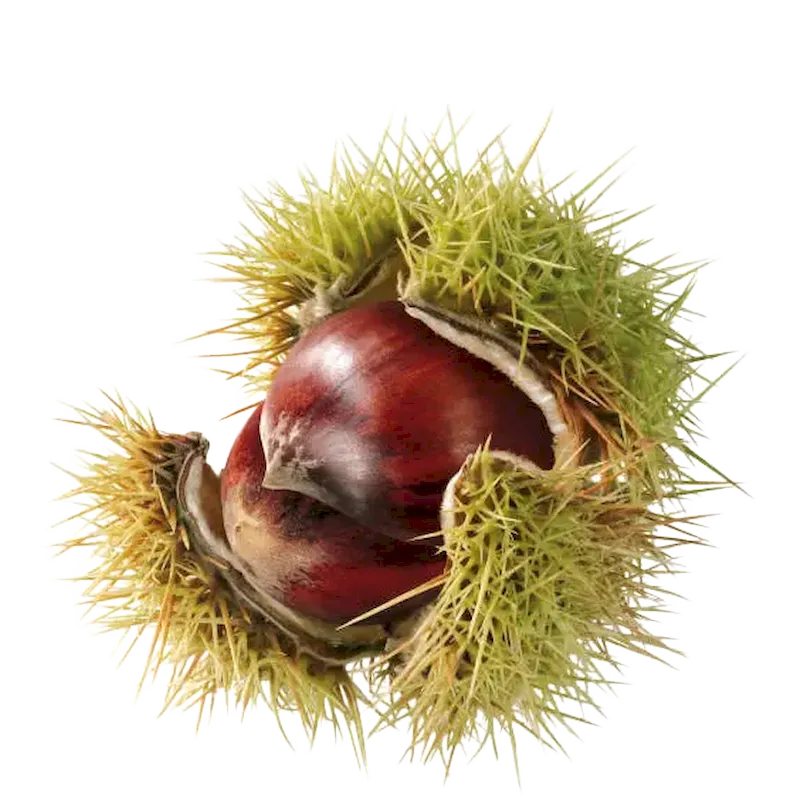
Sweet Chestnut, scientifically known as Castanea sativa, is a deciduous tree native to parts of Europe and Asia Minor. It belongs to the Fagaceae family and is renowned for its sweet, edible nuts known as chestnuts. Sweet Chestnut trees have been cultivated for centuries for their nuts, which have culinary and potential medicinal uses. Chestnuts are a staple in various cuisines and are valued for their flavor and nutritional content.شجرة الكستناء الحلوة، واسمها العلمي Castanea sativa، هي شجرة نفضية موطنها أجزاء من أوروبا وآسيا الصغرى. تنتمي إلى الفصيلة الزانية (Fagaceae) وتشتهر بثمارها الحلوة الصالحة للأكل، والمعروفة باسم الكستناء. تُزرع أشجار الكستناء الحلوة منذ قرون من أجل ثمارها، التي لها استخدامات في الطهي وفوائد طبية محتملة. تُعد الكستناء مكونًا أساسيًا في العديد من المطابخ، وتُقدّر لنكهتها وقيمتها الغذائية.
Categoryالفئة
• Nutritional food source
• Potential digestive aid
• Traditional use for chestnut flour and honey• مصدر غذائي
• مساعد محتمل للهضم
• الاستخدام التقليدي لدقيق الكستناء والعسل
Habitatالموطن
Sweet Chestnut trees prefer well-drained soils and are often found in hilly or mountainous regions. They are cultivated for their chestnuts, which are harvested when ripe. The nuts contain various nutrients, including carbohydrates and vitamins. They have a history of use in culinary dishes and traditional medicine for their potential nutritional and digestive benefits. تُفضل أشجار الكستناء الحلو التربة جيدة التصريف، وتوجد غالبًا في المناطق الجبلية والتلالية. تُزرع هذه الأشجار من أجل ثمار الكستناء التي تُحصد عند نضجها. تحتوي هذه الثمار على عناصر غذائية متنوعة، بما في ذلك الكربوهيدرات والفيتامينات. ولها تاريخ طويل في الاستخدام في الطهي والطب التقليدي لما لها من فوائد غذائية وهضمية محتملة.
Parts usedالأجزاء المستخدمة
• Nuts (Chestnuts)
• Chestnut Flour
• Chestnut Honey• مكسرات (كستناء)
• دقيق الكستناء
• عسل الكستناء
Key constituentsالمكوّنات الفعّالة
• Tannins (hydrolysable tannins: castalagin, vescalagin ~3–10% leaves/bark — astringent, antimicrobial, antidiarrheal)
• Ellagic acid (polyphenol — antioxidant, anti-inflammatory, antitumor)
• Carbohydrates (~45% starch in nuts — sustained energy, gluten-free)
• Flavonoids (quercetin, kaempferol, rutin — antioxidant, anti-inflammatory)
• Vitamins (vitamin C ~43mg/100g; B vitamins; folate — nutritive)
• Organic acids (oxalic acid, citric acid — antioxidant)
• Fatty acids (oleic acid, linoleic acid in nuts — cardiovascular)
• Minerals (potassium, manganese, copper, magnesium — nutritive)• التانينات (التانينات القابلة للتحلل: كاستالاجين، فيسكالاجين ~3-10% من الأوراق/اللحاء - قابضة، مضادة للميكروبات، مضادة للإسهال)
• حمض الإيلاجيك (بوليفينول - مضاد للأكسدة، مضاد للالتهابات، مضاد للأورام)
• الكربوهيدرات (~45% نشا في المكسرات - طاقة مستدامة، خالية من الغلوتين)
• الفلافونويدات (كيرسيتين، كامفيرول، روتين - مضاد للأكسدة، مضاد للالتهابات)
• الفيتامينات (فيتامين ج ~43 ملغ/100 غ؛ فيتامينات ب؛ حمض الفوليك - مغذي)
• الأحماض العضوية (حمض الأكساليك، حمض الستريك - مضاد للأكسدة)
• الأحماض الدهنية (حمض الأوليك، حمض اللينوليك في المكسرات - مفيد للقلب والأوعية الدموية)
• المعادن (البوتاسيوم، المنغنيز، النحاس، المغنيسيوم - مغذي)
Researchالأبحاث
Research on Sweet Chestnut has primarily focused on its nutritional composition, including carbohydrates, vitamins, and minerals. Chestnuts are recognized as a nutritional food source. Traditional use includes the preparation of chestnut flour and honey, which are used for various culinary purposes.ركزت الأبحاث على الكستناء الحلو بشكل أساسي على تركيبته الغذائية، بما في ذلك الكربوهيدرات والفيتامينات والمعادن. يُعرف الكستناء كمصدر غذائي غني. تشمل الاستخدامات التقليدية تحضير دقيق الكستناء والعسل، اللذين يُستخدمان في أغراض طهي متنوعة.
Published researchأبحاث منشورة
↗ Castanea sativa shells: A review on phytochemical composition and beneficial effects↗ Castanea sativa by-products: a review on added value and sustainable application↗ Antioxidant Effect of the Castanea sativa Mill. Leaf Extract on Oxidative Stress Induced upon Human SpermatozoaTraditional useالاستخدام التقليدي
Sweet Chestnut nuts are traditionally used in cooking, particularly in roasting, boiling, or pureeing for various dishes. Chestnut flour is used in baking, and chestnut honey is appreciated for its flavor. While traditionally used for nutritional and culinary purposes, chestnuts are also valued for their potential digestive benefits. تُستخدم ثمار الكستناء الحلوة تقليديًا في الطهي، وخاصةً في التحميص أو السلق أو الهرس لإعداد أطباق متنوعة. ويُستخدم دقيق الكستناء في الخبز، ويُقدّر عسل الكستناء لنكهته المميزة. وإلى جانب استخدامها التقليدي لأغراض غذائية وغذائية، تُقدّر الكستناء أيضًا لفوائدها المحتملة على الجهاز الهضمي.
Current useالاستخدام الحالي
Sweet Chestnut nuts can be prepared in various culinary dishes, such as roasted chestnuts, chestnut soups, or chestnut puree. Chestnut flour is used in baking, particularly for making bread and desserts. Chestnut honey can be used as a sweetener or for flavoring various foods. يمكن تحضير الكستناء الحلو في أطباق متنوعة، مثل الكستناء المحمص، وحساء الكستناء، وهريس الكستناء. ويُستخدم دقيق الكستناء في الخبز، وخاصةً في صناعة الخبز والحلويات. كما يُمكن استخدام عسل الكستناء كمُحلي أو لإضفاء نكهة مميزة على مختلف الأطعمة.
Preparationsالتحضيرات
Culinary, Whole (Fresh/Dried)طهي, كامل (طازج/مجفف)
Used for these conditionsيُستخدم لهذه الحالات
Adult dosageجرعة البالغين
Dosage recommendations for Sweet Chestnuts can vary depending on culinary preferences and the intended use in recipes. There are no specific therapeutic dosages, as chestnuts are primarily consumed as food. تختلف توصيات الجرعات الموصى بها للكستناء الحلو تبعًا للتفضيلات الغذائية والاستخدام المقصود في الوصفات. لا توجد جرعات علاجية محددة، لأن الكستناء يُستهلك في المقام الأول كغذاء.
Child dosageجرعة الأطفال
Sweet Chestnuts are generally safe for children when included in their diet as part of balanced meals. There are no specific dosage recommendations for children, as chestnuts are typically consumed as food.يُعدّ الكستناء الحلو آمناً بشكل عام للأطفال عند إدراجه في نظامهم الغذائي كجزء من وجبات متوازنة. لا توجد توصيات محددة بشأن الجرعة المناسبة للأطفال، حيث يُستهلك الكستناء عادةً كغذاء.
Cautionتحذيرات
Sweet Chestnuts are generally considered safe when consumed as food. However, individuals with nut allergies should exercise caution, as chestnuts are technically a type of nut. If you have underlying health conditions or are taking medications, consult with a qualified healthcare provider before adding chestnuts to your diet. يُعتبر الكستناء الحلو آمناً بشكل عام عند تناوله كغذاء. مع ذلك، ينبغي على الأشخاص الذين يعانون من حساسية تجاه المكسرات توخي الحذر، لأن الكستناء يُصنف علمياً ضمن المكسرات. إذا كنت تعاني من أي مشاكل صحية أو تتناول أدوية، فاستشر طبيباً مختصاً قبل إضافة الكستناء إلى نظامك الغذائي.