
Introductionمقدّمة
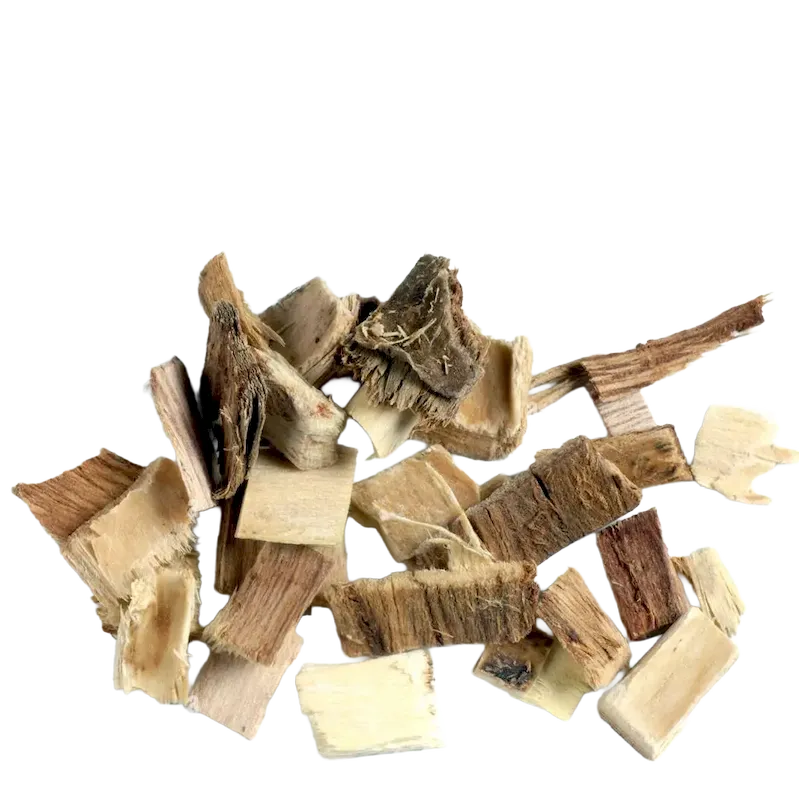
Soap Bark, scientifically known as Quillaja saponaria, is an evergreen tree native to South America. It is famous for its inner bark, which contains natural saponins and has been traditionally used for its foaming and cleansing properties. Soap Bark has historical significance in both traditional and industrial applications. شجرة لحاء الصابون، واسمها العلمي Quillaja saponaria، هي شجرة دائمة الخضرة موطنها الأصلي أمريكا الجنوبية. تشتهر هذه الشجرة بلحائها الداخلي الغني بالصابونين الطبيعي، والذي يُستخدم تقليديًا لخصائصه الرغوية والمنظفة. ولشجرة لحاء الصابون أهمية تاريخية في كل من التطبيقات التقليدية والصناعية.
Categoryالفئة
• Natural foaming and cleansing agent
• Traditional use for skin and hair care
• Industrial applications in soaps and detergents• عامل رغوة وتنظيف طبيعي
• استخدام تقليدي للعناية بالبشرة والشعر
• تطبيقات صناعية في صناعة الصابون والمنظفات
Habitatالموطن
Soap Bark trees are native to regions of South America, including Chile. They thrive in temperate climates and are often cultivated for their inner bark, which is rich in saponins. The primary part used is the inner bark, valued for its natural foaming and cleansing abilities.أشجار لحاء الصابون موطنها الأصلي مناطق في أمريكا الجنوبية، بما في ذلك تشيلي. تزدهر هذه الأشجار في المناخات المعتدلة، وغالبًا ما تُزرع من أجل لحائها الداخلي الغني بالصابونين. الجزء الأساسي المستخدم هو اللحاء الداخلي، الذي يُقدّر لقدرته الطبيعية على تكوين الرغوة والتنظيف.
Parts usedالأجزاء المستخدمة
• Inner bark • اللحاء الداخلي
Key constituentsالمكوّنات الفعّالة
• Triterpenoid saponins: quillaia saponins (complex mixtures such as Quil A, QS‑21, quillaia saponin A and B), all glycosides of quillaic acid (and related aglycones like quillaiadiol and quillaienin).
• Polyphenols and tannins: significant levels of tannins and other polyphenolic compounds alongside the saponins.
• Simple sugars and minerals: sucrose and other simple sugars, plus calcium oxalate and minor inorganic components.
• Other minor constituents: sterols, flavonoids and general triterpenes present in smaller amounts compared with the major saponin fraction.
• صابونينات الترايتيربينويد: صابونينات الكويلايا (مخاليط معقدة مثل Quil A وQS-21 وصابونين الكويلايا A وB)، وجميع جليكوسيدات حمض الكويلايك (وأغليكونات ذات صلة مثل الكويلاياديول والكويلايينين).
• البوليفينولات والتانينات: مستويات كبيرة من التانينات ومركبات البوليفينول الأخرى إلى جانب الصابونينات.
• السكريات البسيطة والمعادن: السكروز وسكريات بسيطة أخرى، بالإضافة إلى أكسالات الكالسيوم ومكونات غير عضوية ثانوية.
• مكونات ثانوية أخرى: الستيرولات والفلافونويدات والترايتيربينات العامة موجودة بكميات أقل مقارنةً بجزء الصابونين الرئيسي.
Researchالأبحاث
Research on Soap Bark has focused on its saponin content, especially quillajasaponins, and its foaming and cleansing properties. It is traditionally used for skin and hair care and has industrial applications in soap and detergent production.ركزت الأبحاث على لحاء الصابون على محتواه من الصابونين، وخاصة صابونين الكويلاجا، وخصائصه الرغوية والمنظفة. ويُستخدم تقليدياً للعناية بالبشرة والشعر، وله تطبيقات صناعية في إنتاج الصابون والمنظفات.
Traditional useالاستخدام التقليدي
Soap Bark's inner bark, rich in saponins, is used for its natural foaming and cleansing properties. It has applications in traditional remedies for skin and hair care and is also utilized in various industrial products. يُستخدم اللحاء الداخلي لشجرة الصابون، الغني بالصابونين، لخصائصه الرغوية والمنظفة الطبيعية. وله استخدامات في العلاجات التقليدية للعناية بالبشرة والشعر، كما يُستخدم في العديد من المنتجات الصناعية.
Current useالاستخدام الحالي
The inner bark of Soap Bark is the primary part used for its natural foaming and cleansing abilities. It can be prepared as decoctions or infusions for skin and hair care, or its saponins are extracted for industrial applications. يُعدّ اللحاء الداخلي لشجرة الصابون الجزء الأساسي المستخدم لقدرته الطبيعية على تكوين الرغوة والتنظيف. ويمكن تحضيره على شكل مغلي أو منقوع للعناية بالبشرة والشعر، أو استخلاص الصابونين منه للاستخدامات الصناعية.
Preparationsالتحضيرات
Decoction, Infusionمغلي, منقوع
Used for these conditionsيُستخدم لهذه الحالات
Adult dosageجرعة البالغين
Dosage recommendations for Soap Bark may vary depending on the intended use, such as in cosmetic or industrial applications. It is not commonly used as a primary herbal remedy but rather for its foaming and cleansing properties.قد تختلف توصيات الجرعات لنبات لحاء الصابون تبعًا للاستخدام المقصود، كما هو الحال في التطبيقات التجميلية أو الصناعية. ولا يُستخدم عادةً كعلاج عشبي أساسي، بل يُستخدم لخصائصه الرغوية والمنظفة.
Child dosageجرعة الأطفال
Not typically used as a therapeutic herb for children. لا يُستخدم عادةً كعشب علاجي للأطفال.
Cautionتحذيرات
Soap Bark is generally considered safe when used in traditional and industrial contexts. However, individual reactions may vary, and it should be used as directed in specific applications. Caution should be exercised to avoid excessive consumption or contact with the eyes. يُعتبر لحاء الصابون آمناً بشكل عام عند استخدامه في السياقات التقليدية والصناعية. مع ذلك، قد تختلف ردود فعل الأفراد، لذا يجب استخدامه وفقاً للتعليمات في التطبيقات المحددة. ينبغي توخي الحذر لتجنب الإفراط في تناوله أو ملامسته للعينين.