
Introductionمقدّمة
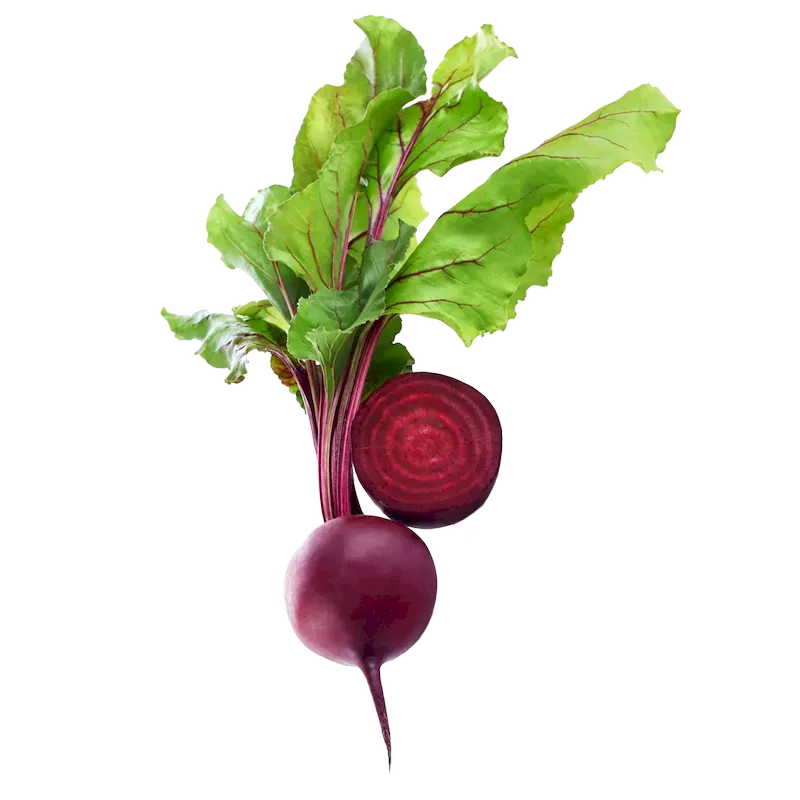
Red Beet and White Beet, both belonging to the Beta vulgaris species, are biennial plants cultivated for their edible roots and leaves. Red Beet is known for its vibrant red roots, while White Beet, also called Swiss Chard, has green leaves and colorful stalks. Both varieties are valued for their nutritional content and culinary versatility. الشمندر الأحمر والشمندر الأبيض، وكلاهما ينتميان إلى فصيلة بيتا فولغاريس، نباتان ثنائيا الحول يُزرعان لجذورهما وأوراقهما الصالحة للأكل. يُعرف الشمندر الأحمر بجذوره الحمراء الزاهية، بينما يتميز الشمندر الأبيض، المعروف أيضاً باسم السلق السويسري، بأوراقه الخضراء وسيقانه الملونة. ويُقدّر كلا النوعين لمحتواهما الغذائي وتعدد استخداماتهما في الطهي.
Categoryالفئة
• Nutrient-rich
• Potential antioxidant
• May support heart health• غني بالعناصر الغذائية
• مضاد أكسدة محتمل
• قد يدعم صحة القلب
Habitatالموطن
Red Beet and White Beet are widely cultivated in various regions of the world. They prefer well-drained soil and are grown for their edible roots (Red Beet) and leaves (White Beet). Both varieties are known for their high content of vitamins, minerals, and antioxidants. يُزرع الشمندر الأحمر والأبيض على نطاق واسع في مناطق مختلفة من العالم. يفضلان التربة جيدة التصريف، ويُزرعان لجذورهما الصالحة للأكل (الشمندر الأحمر) وأوراقهما (الشمندر الأبيض). كلا النوعين معروفان بمحتواهما العالي من الفيتامينات والمعادن ومضادات الأكسدة.
Parts usedالأجزاء المستخدمة
• Roots (Red Beet)
• Leaves and Stems (White Beet)• الجذور (الشمندر الأحمر)
• الأوراق والسيقان (الشمندر الأبيض)
Key constituentsالمكوّنات الفعّالة
• Betalains (betacyanins ~120–200mg/100g red beet; betaxanthins — primary antioxidants, anti-inflammatory, anticancer)
• Betaine (trimethylglycine ~0.1–0.3% — hepatoprotective, cardiovascular, methylation)
• Nitrates (~250mg/100g — vasodilatory, blood pressure lowering, athletic performance)
• Fiber (~2–3% — digestive, prebiotic)
• Flavonoids (quercetin, kaempferol — antioxidant, anti-inflammatory)
• Vitamins (folate ~109mcg/100g; vitamin C; vitamin B6 — nutritive, heart health)
• Minerals (potassium, manganese, iron, phosphorus, magnesium — nutritive)
• Phenolic acids (caffeic acid, ferulic acid — antioxidant)• البيتالينات (بيتا سيانين ~120-200 ملغم/100 غرام من الشمندر الأحمر؛ بيتا زانثينات - مضادات أكسدة أساسية، مضادة للالتهابات، مضادة للسرطان)
• البيتاين (تريميثيل جليسين ~0.1-0.3% - يحمي الكبد، ويدعم صحة القلب والأوعية الدموية، ويحفز عملية المثيلة)
• النترات (~250 ملغم/100 غرام - موسعة للأوعية الدموية، تخفض ضغط الدم، وتعزز الأداء الرياضي)
• الألياف (~2-3% - تساعد على الهضم، وبريبيوتيك)
• الفلافونويدات (كيرسيتين، كامفيرول - مضادات أكسدة، ومضادات التهاب)
• الفيتامينات (حمض الفوليك ~109 ميكروغرام/100 غرام؛ فيتامين ج؛ فيتامين ب6 - مغذية، تدعم صحة القلب)
• المعادن (بوتاسيوم، منغنيز، حديد، فوسفور، مغنيسيوم - مغذية)
• الأحماض الفينولية (حمض الكافيين، حمض الفيروليك - مضادات أكسدة)
Researchالأبحاث
Research on Red Beet and White Beet has explored their nutritional composition and potential health benefits, particularly their role in providing essential vitamins and minerals. They are used in culinary applications and are considered nutritious additions to the diet.استكشفت الأبحاث التي أُجريت على الشمندر الأحمر والأبيض تركيبهما الغذائي وفوائدهما الصحية المحتملة، ولا سيما دورهما في توفير الفيتامينات والمعادن الأساسية. ويُستخدمان في الطهي ويُعتبران إضافةً غذائيةً قيّمةً للنظام الغذائي.
Published researchأبحاث منشورة
↗ Nitrate Derived From Beetroot Juice Lowers Blood Pressure in Patients With Arterial Hypertension: A Systematic Review and Meta-Analysis↗ Inorganic nitrate and beetroot juice supplementation reduces blood pressure in adults: a systematic review and meta-analysis↗ The Nitrate-Independent Blood Pressure-Lowering Effect of Beetroot Juice: A Systematic Review and Meta-AnalysisTraditional useالاستخدام التقليدي
Red Beet is used in various culinary dishes, such as salads, soups, and pickles, and is known for its potential antioxidant properties. White Beet (Swiss Chard) is also used in cooking, particularly in sautés and side dishes. يُستخدم الشمندر الأحمر في العديد من الأطباق، مثل السلطات والشوربات والمخللات، ويُعرف بخصائصه المضادة للأكسدة. كما يُستخدم الشمندر الأبيض (السلق) في الطبخ، وخاصة في القلي السريع والأطباق الجانبية.
Current useالاستخدام الحالي
Red Beet roots are typically peeled, cooked, and used in various dishes. White Beet leaves and stems are cooked as greens or used in recipes for their nutritional value. Both varieties are versatile in the kitchen. تُقشّر جذور الشمندر الأحمر عادةً، وتُطهى، وتُستخدم في أطباق متنوعة. أما أوراق وسيقان الشمندر الأبيض فتُطهى كخضراوات أو تُستخدم في وصفات الطعام لقيمتها الغذائية. وكلا النوعين متعدد الاستخدامات في المطبخ.
Preparationsالتحضيرات
Culinaryطهي
Used for these conditionsيُستخدم لهذه الحالات
Adult dosageجرعة البالغين
Dosage recommendations for Red Beet and White Beet as food ingredients can vary widely based on culinary preferences and regional recipes. They can be consumed regularly as part of a balanced diet for their nutritional value.تختلف توصيات الجرعات الموصى بها للبنجر الأحمر والبنجر الأبيض كمكونات غذائية اختلافًا كبيرًا بناءً على التفضيلات الغذائية والوصفات الإقليمية. ويمكن تناولهما بانتظام كجزء من نظام غذائي متوازن لما لهما من قيمة غذائية.
Child dosageجرعة الأطفال
Red Beet and White Beet can be safely incorporated into children's diets as part of balanced meals. There are no specific dosage guidelines as they are primarily consumed as food. يمكن إدخال الشمندر الأحمر والأبيض بأمان في النظام الغذائي للأطفال كجزء من وجبات متوازنة. لا توجد إرشادات محددة للجرعة لأنهما يُستهلكان بشكل أساسي كغذاء.
Cautionتحذيرات
Red beet and Swiss chard are generally safe as foods. They are high in oxalates, so people with a history of calcium-oxalate kidney stones or significant kidney disease should limit intake. Beetroot may harmlessly turn urine or stool pink/red (beeturia). Those on potassium-restricted diets should note the high potassium content. Consult a healthcare provider before using in therapeutic amounts.يُعدّ الشمندر الأحمر والسلق آمنين بشكل عام كغذاء. وهما غنيان بالأوكسالات، لذا ينبغي على من لديهم تاريخ من حصوات أوكسالات الكالسيوم أو أمراض كلوية مهمة تقليل الكمية. وقد يُحوّل الشمندر لون البول أو البراز إلى الوردي/الأحمر بشكل غير ضار. وعلى المتبعين لحمية منخفضة البوتاسيوم مراعاة محتواه العالي من البوتاسيوم. استشر مقدم رعاية صحية قبل استخدامه بكميات علاجية.