
Introductionمقدّمة
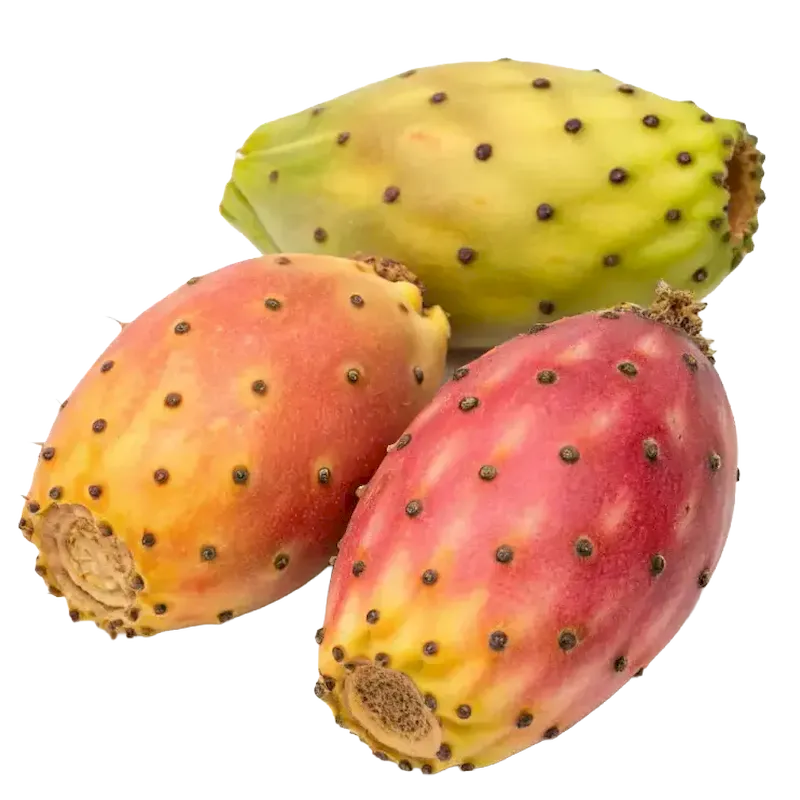
Prickly Pear, scientifically known as Ficus indica, is a species of cactus native to the Americas, particularly in Mexico and the southwestern United States. It is known for its distinctive flattened pads covered in spines and its colorful, edible fruits known as prickly pears. Prickly Pear has a long history of use in traditional medicine and as a source of food.التين الشوكي، المعروف علميًا باسم Ficus indica، هو نوع من الصبار موطنه الأصلي الأمريكتان، وخاصة المكسيك وجنوب غرب الولايات المتحدة. يشتهر بأوراقه المسطحة المميزة المغطاة بالأشواك وثماره الملونة الصالحة للأكل المعروفة باسم التين الشوكي. وللتين الشوكي تاريخ طويل من الاستخدام في الطب التقليدي وكمصدر غذائي.
Categoryالفئة
• Potential antioxidant
• Potential anti-inflammatory
• Traditional use for digestive health• مضاد أكسدة محتمل
• مضاد التهاب محتمل
• استخدام تقليدي لصحة الجهاز الهضمي
Habitatالموطن
Prickly Pear cactus thrives in arid and semiarid regions, often in rocky or sandy soils. It is well-adapted to hot and dry climates. The plant is primarily grown for its edible fruits and is also used for its pads, which have potential medicinal properties. Prickly Pear has been cultivated for centuries for its nutritious fruits and traditional remedies. يزدهر نبات التين الشوكي في المناطق القاحلة وشبه القاحلة، غالباً في التربة الصخرية أو الرملية. وهو يتكيف جيداً مع المناخات الحارة والجافة. يُزرع هذا النبات في المقام الأول لثماره الصالحة للأكل، كما تُستخدم ألواحه أيضاً لما لها من خصائص طبية محتملة. وقد زُرع التين الشوكي لقرون طويلة لثماره المغذية واستخدامه في العلاجات التقليدية.
Parts usedالأجزاء المستخدمة
• Edible fruits (prickly pears)
• Pads (nopales)• ثمار صالحة للأكل (التين الشوكي)
• ألواح (نوباليس)
Key constituentsالمكوّنات الفعّالة
• Betalain pigments (fruit pulp/peel): betanin (betacyanin; red‑purple) and indicaxanthin (betaxanthin; yellow‑orange)
• Other betalains: additional betacyanins and betaxanthins (multiple individual pigments reported across cultivars/tissues)
• Flavonoids / phenolics (fruit tissues): isorhamnetin, quercetin, kaempferol glycosides; phenolic acids such as piscidic acid
• Seed oil fatty acids (major): linoleic acid (dominant), oleic acid, palmitic acid; with smaller amounts of stearic and others
• Seed oil tocopherols (vitamin E): gamma‑tocopherol often predominant; plus alpha/delta tocopherols
• Seed oil phytosterols: beta‑sitosterol (major), plus campesterol and stigmasterol
• Cladode (pad) mucilage / polysaccharides: arabinose-, galactose-, glucose-, rhamnose-containing polysaccharides (pectin-like hydrocolloids)
• Minerals (notably in mucilage/cladodes): calcium, magnesium, potassium (commonly reported as relatively high)• أصباغ البيتالين (لب/قشرة الثمرة): البيتانين (بيتايسيانين؛ أحمر-بنفسجي) والإنديكزانثين (بيتاكسانثين؛ أصفر-برتقالي)
• بيتالينات أخرى: بيتايسيانينات وبيتاكسانثينات إضافية (أصباغ فردية متعددة تم الإبلاغ عنها عبر الأصناف/الأنسجة)
• الفلافونويدات/المركبات الفينولية (أنسجة الثمرة): إيزورامنيتين، كيرسيتين، جليكوسيدات كامفيرول؛ أحماض فينولية مثل حمض البيسيديك
• الأحماض الدهنية في زيت البذور (الرئيسية): حمض اللينوليك (السائد)، حمض الأوليك، حمض البالميتيك؛ مع كميات أقل من حمض الستياريك وغيرها
• توكوفيرولات زيت البذور (فيتامين هـ): غالبًا ما يكون جاما-توكوفيرول هو السائد؛ بالإضافة إلى ألفا/دلتا توكوفيرول
• فيتوستيرولات زيت البذور: بيتا-سيتوستيرول (الرئيسي)، بالإضافة إلى كامبيستيرول وستيغماستيرول
• صمغ/سكريات متعددة في الألواح: سكريات متعددة تحتوي على الأرابينوز، والجلاكتوز، والجلوكوز، والرامنوز (غرويات مائية شبيهة بالبكتين)
• معادن (خاصة في الصمغ/الألواح): الكالسيوم، والمغنيسيوم، والبوتاسيوم (يُذكر عادةً أنها مرتفعة نسبيًا)
Researchالأبحاث
Research on Prickly Pear has primarily focused on its key constituents, including betalains like betanin, and their potential antioxidant and anti-inflammatory effects. It is traditionally used for digestive health and has been studied for its therapeutic properties. ركزت الأبحاث على نبات التين الشوكي بشكل أساسي على مكوناته الرئيسية، بما في ذلك البيتالينات مثل البيتانين، وتأثيراتها المحتملة كمضادات للأكسدة ومضادات للالتهابات. ويُستخدم تقليديًا لتحسين صحة الجهاز الهضمي، وقد دُرست خصائصه العلاجية.
Published researchأبحاث منشورة
↗ The effect of cactus pear (Opuntia ficus-indica) on body weight and cardiovascular risk factors: a systematic review and meta-analysis of randomized clinical trials↗ Nopal fiber (Opuntia ficus-indica) improves symptoms in irritable bowel syndrome in the short term: a randomized controlled trial↗ Opuntia ficus-indica Fruit: A Systematic ReviewTraditional useالاستخدام التقليدي
Prickly Pear is used in traditional medicine and as a source of food. The edible fruits and pads of the cactus are employed for various health purposes and culinary applications. Prickly Pear fruits can be consumed fresh or used to prepare juices, jams, and traditional remedies. يُستخدم التين الشوكي في الطب الشعبي وكغذاء. تُستخدم ثماره وألواحه الصالحة للأكل لأغراض صحية وطهوية متنوعة. يمكن تناول ثمار التين الشوكي طازجة أو استخدامها في تحضير العصائر والمربى والعلاجات الشعبية.
Current useالاستخدام الحالي
The edible fruits, known as prickly pears, and the pads, referred to as nopales, of the Prickly Pear cactus are the primary parts used for their potential medicinal properties and as a food source. Prickly Pear fruits can be consumed fresh, while nopales can be prepared by cooking or used in various culinary dishes and traditional remedies. تُعدّ ثمار التين الشوكي الصالحة للأكل، وألواحه التي تُعرف باسم "نوباليس"، الأجزاء الرئيسية المستخدمة لخصائصها الطبية المحتملة ومصدرًا غذائيًا. يمكن تناول ثمار التين الشوكي طازجة، بينما يمكن طهي ألواح "نوباليس" أو استخدامها في أطباق متنوعة ووصفات تقليدية.
Preparationsالتحضيرات
Culinaryطهي
Used for these conditionsيُستخدم لهذه الحالات
Adult dosageجرعة البالغين
Dosage recommendations for Prickly Pear may vary depending on the intended use and the specific product or remedy. For culinary purposes, the fruits and nopales can be consumed as part of a balanced diet. For traditional remedies, consult with a qualified herbalist or healthcare provider for guidance on therapeutic dosages. قد تختلف توصيات الجرعات للتين الشوكي تبعًا للاستخدام المقصود والمنتج أو العلاج المحدد. لأغراض الطهي، يمكن تناول الثمار والنوبال كجزء من نظام غذائي متوازن. أما بالنسبة للعلاجات التقليدية، فيُنصح باستشارة أخصائي أعشاب مؤهل أو مقدم رعاية صحية للحصول على إرشادات حول الجرعات العلاجية.
Child dosageجرعة الأطفال
Dosage recommendations for Prickly Pear may vary depending on the intended use and the specific product or remedy. For culinary purposes, the fruits and nopales can be consumed as part of a balanced diet. For traditional remedies, consult with a qualified herbalist or healthcare provider for guidance on dosages and usage. قد تختلف توصيات الجرعات للتين الشوكي تبعًا للاستخدام المقصود والمنتج أو العلاج المحدد. لأغراض الطهي، يمكن تناول الثمار وأوراق الصبار كجزء من نظام غذائي متوازن. أما بالنسبة للعلاجات التقليدية، فيُنصح باستشارة أخصائي أعشاب مؤهل أو مقدم رعاية صحية للحصول على إرشادات حول الجرعات وطريقة الاستخدام.
Cautionتحذيرات
Prickly Pear is generally considered safe when consumed as part of a balanced diet. However, it is important to handle the cactus pads with care, as they have spines. Individual reactions to Prickly Pear may vary, and allergic reactions are possible. If you have underlying health conditions or are taking medications, consult with a healthcare provider before using Prickly Pear for therapeutic purposes.يُعتبر التين الشوكي آمناً بشكل عام عند تناوله كجزء من نظام غذائي متوازن. مع ذلك، من المهم التعامل مع ألواح الصبار بحذر لاحتوائها على أشواك. قد تختلف ردود فعل الأفراد تجاه التين الشوكي، وقد تحدث ردود فعل تحسسية. إذا كنت تعاني من مشاكل صحية أو تتناول أدوية، فاستشر طبيبك قبل استخدام التين الشوكي لأغراض علاجية.