
Introductionمقدّمة
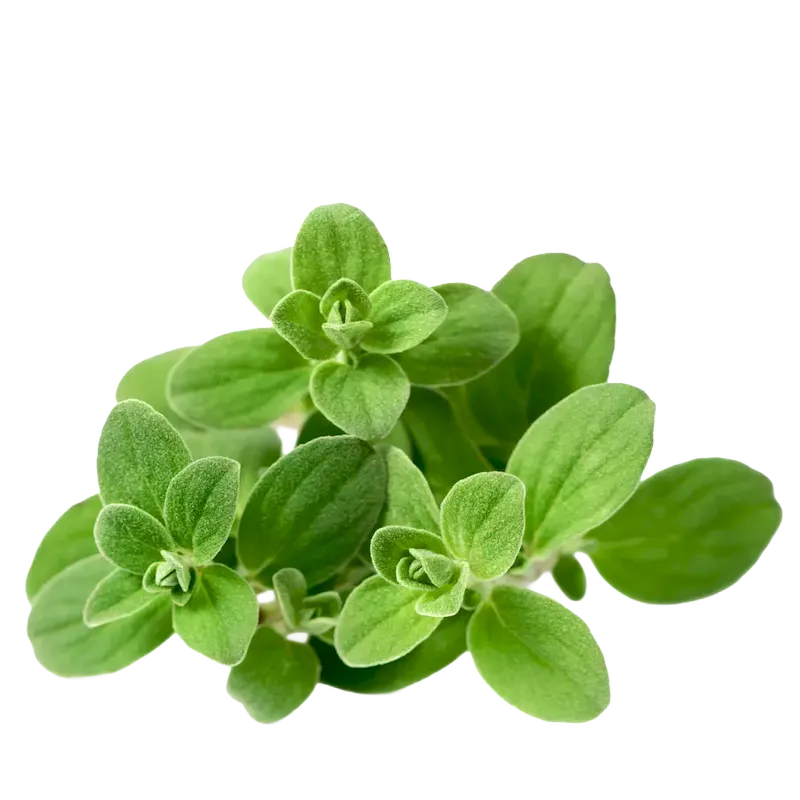
Oregano, scientifically known as Origanum vulgare, is a flavorful herb native to the Mediterranean region. It is a member of the mint family (Lamiaceae) and is prized for its aromatic leaves, which are used in culinary and traditional medicine applications. Oregano has a long history of use for its potential medicinal properties and as a culinary spice.الأوريجانو، المعروف علميًا باسم Origanum vulgare، عشبة عطرية موطنها الأصلي منطقة البحر الأبيض المتوسط. ينتمي الأوريجانو إلى عائلة النعناع (Lamiaceae)، ويُشتهر بأوراقه العطرية التي تُستخدم في الطهي والطب التقليدي. للأوريجانو تاريخ طويل من الاستخدام لخصائصه الطبية المحتملة وكبهار في الطهي.
Categoryالفئة
• Potential antimicrobial
• Potential anti-inflammatory
• Traditional use for digestive health• مضاد محتمل للميكروبات
• مضاد محتمل للالتهابات
• الاستخدام التقليدي لصحة الجهاز الهضمي
Habitatالموطن
Oregano is typically found in warm, sunny regions with well-drained soil. It is cultivated for its leaves and is a popular herb in Mediterranean and Italian cuisines. The leaves are known for their potential therapeutic benefits and culinary uses. Oregano has been used in traditional medicine and is recognized for its aromatic qualities. ينمو الأوريجانو عادةً في المناطق الدافئة المشمسة ذات التربة جيدة التصريف. يُزرع لأوراقه، وهو عشب شائع في مطابخ البحر الأبيض المتوسط والإيطالية. تُعرف أوراقه بفوائدها العلاجية المحتملة واستخداماتها في الطهي. وقد استُخدم الأوريجانو في الطب التقليدي، ويُعرف بخصائصه العطرية.
Parts usedالأجزاء المستخدمة
• Leaves
• Essential oil (derived from leaves)• أوراق
• زيت عطري (مستخلص من الأوراق)
Key constituentsالمكوّنات الفعّالة
• Essential oil phenolic monoterpenes: carvacrol (often predominant) and thymol
• Essential oil precursors/partners: p‑cymene and γ‑terpinene (commonly abundant), plus linalool in some profiles/chemotypes
• Other volatiles often reported: terpinenes/terpineols and sesquiterpenes such as β‑caryophyllene
• Phenolic acids (non-volatile fraction): rosmarinic acid (often highest), caffeic acid, p‑coumaric acid, ferulic acid; chicoric acid reported in some oregano taxa
• Flavonoids: quercetin, apigenin (e.g., apigenin‑7‑glucoside), kaempferol, naringenin (reported in extract profiles)
• Triterpenic acids: ursolic acid and oleanolic acid
• Unique named phenolics reported in oregano: oreganol A, oreganol B, oreganol C• أحاديات التربين الفينولية في الزيوت العطرية: الكارفاكرول (غالباً ما يكون هو السائد) والثيمول
• سلائف/شركاء الزيوت العطرية: بارا-سيمين وغاما-تربينين (غالباً ما يكونان وفيرين)، بالإضافة إلى اللينالول في بعض الأنماط/الأنواع الكيميائية
• مواد متطايرة أخرى يتم الإبلاغ عنها غالباً: التربينينات/التربينولات والتربينات النصفية مثل بيتا-كاريوفيلين
• الأحماض الفينولية (الجزء غير المتطاير): حمض الروزمارينيك (غالباً ما يكون هو الأعلى)، حمض الكافيين، حمض الكوماريك، حمض الفيروليك؛ حمض الشيكوريك موجود في بعض أنواع الأوريجانو
• الفلافونويدات: الكيرسيتين، والأبيجينين (مثل أبيجينين-7-جلوكوزيد)، والكامفيرول، والنارينجينين (موجودة في مستخلصات الأوريجانو)
• أحماض التريتربين: حمض الأورسوليك وحمض الأوليانوليك
• مركبات فينولية فريدة مُسماة موجودة في الأوريجانو: أوريجانول أ، وأوريجانول ب، وأوريجانول ج
Researchالأبحاث
Research on Oregano has primarily focused on its key constituents, including carvacrol, and its potential antimicrobial, anti-inflammatory, and digestive health benefits. It is traditionally used for digestive support and has been studied for its therapeutic properties.ركزت الأبحاث على الأوريجانو بشكل أساسي على مكوناته الرئيسية، بما في ذلك الكارفاكرول، وفوائده المحتملة كمضاد للميكروبات، ومضاد للالتهابات، ومفيد لصحة الجهاز الهضمي. يُستخدم الأوريجانو تقليديًا لدعم صحة الجهاز الهضمي، وقد دُرست خصائصه العلاجية.
Traditional useالاستخدام التقليدي
Oregano is used both in culinary applications and traditional medicine. Its leaves are employed for various health purposes, including digestive support. Oregano can be used fresh or dried in cooking and is also prepared as herbal infusions or used in traditional remedies. يُستخدم الأوريجانو في الطهي والطب الشعبي على حد سواء. وتُستخدم أوراقه لأغراض صحية متنوعة، بما في ذلك دعم الجهاز الهضمي. ويمكن استخدام الأوريجانو طازجًا أو مجففًا في الطبخ، كما يُحضّر على شكل مشروبات عشبية أو يُستخدم في العلاجات التقليدية.
Current useالاستخدام الحالي
The leaves of Oregano, as well as the essential oil extracted from them, are the primary parts used for their potential medicinal properties and culinary applications. The leaves can be used fresh or dried in cooking, while the essential oil is used in aromatherapy and traditional remedies. تُعدّ أوراق الأوريجانو، بالإضافة إلى الزيت العطري المستخلص منها، الأجزاء الأساسية المستخدمة لما لها من خصائص طبية محتملة وتطبيقات في الطهي. يمكن استخدام الأوراق طازجة أو مجففة في الطبخ، بينما يُستخدم الزيت العطري في العلاج بالروائح والوصفات التقليدية.
Preparationsالتحضيرات
Culinary, Essential Oil, Infusionزيت عطري, طهي, منقوع
Used for these conditionsيُستخدم لهذه الحالات
Adult dosageجرعة البالغين
Dosage recommendations for Oregano may vary depending on the intended use and the specific culinary or traditional remedy. It is typically used in appropriate quantities for flavoring in cooking. In aromatherapy or traditional remedies, consult with a qualified practitioner for guidance on essential oil usage.قد تختلف توصيات جرعات الأوريجانو تبعًا للاستخدام المقصود والوصفة الطبية أو العلاج التقليدي المحدد. يُستخدم عادةً بكميات مناسبة لإضفاء النكهة على الطعام. في العلاج بالروائح العطرية أو العلاجات التقليدية، يُنصح باستشارة مختص مؤهل للحصول على إرشادات حول استخدام الزيوت العطرية.
Child dosageجرعة الأطفال
Dosage recommendations for Oregano may vary depending on the intended use and the specific culinary or traditional remedy. It is typically used in appropriate quantities for flavoring in cooking. In aromatherapy or traditional remedies, consult with a qualified practitioner for guidance on essential oil usage.قد تختلف توصيات جرعات الأوريجانو تبعًا للاستخدام المقصود والوصفة الطبية أو العلاج التقليدي المحدد. يُستخدم عادةً بكميات مناسبة لإضفاء النكهة على الطعام. في العلاج بالروائح العطرية أو العلاجات التقليدية، يُنصح باستشارة مختص مؤهل للحصول على إرشادات حول استخدام الزيوت العطرية.
Cautionتحذيرات
Oregano is generally considered safe when used in culinary amounts as a flavoring agent in cooking. However, excessive use of essential oil should be avoided, and it should not be ingested without professional guidance. Pregnant or breastfeeding individuals should consume culinary amounts as part of a balanced diet. يُعتبر الأوريجانو آمنًا بشكل عام عند استخدامه بكميات معتدلة في الطهي كمنكه. مع ذلك، ينبغي تجنب الإفراط في استخدام الزيت العطري، كما لا يُنصح بتناوله دون استشارة طبية. يُنصح الحوامل والمرضعات بتناول كميات معتدلة منه كجزء من نظام غذائي متوازن.
Pregnancy & nursingالحمل والرضاعة
Avoid during Pregnancy/Nursingيمنع أثناء الحمل والرضاعة