
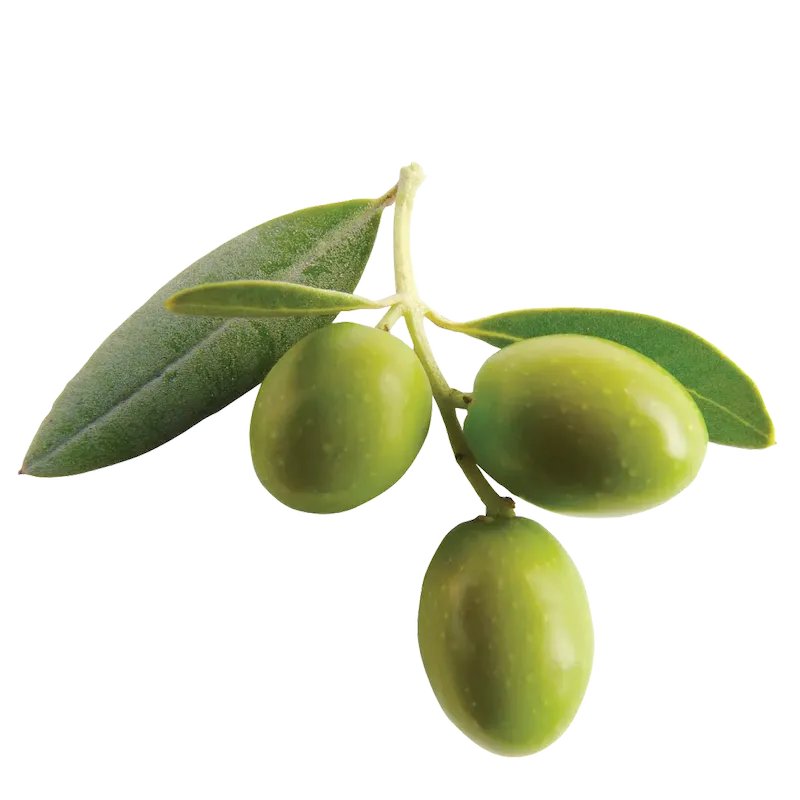
Introductionمقدّمة
The Olive tree, scientifically known as Olea europaea, is a small evergreen tree native to the Mediterranean region. Olives and olive oil have been a staple in Mediterranean cuisine and culture for thousands of years. The tree is revered for its fruit, leaves, and oil, all of which have been traditionally used for culinary and medicinal purposes. شجرة الزيتون، واسمها العلمي Olea europaea، هي شجرة صغيرة دائمة الخضرة موطنها الأصلي منطقة البحر الأبيض المتوسط. لطالما شكل الزيتون وزيت الزيتون عنصراً أساسياً في مطبخ وثقافة البحر الأبيض المتوسط لآلاف السنين. تُقدّر هذه الشجرة لثمارها وأوراقها وزيتها، والتي استُخدمت جميعها تقليدياً لأغراض الطهي والعلاج.
Categoryالفئة
• Potential antioxidant
• Potential anti-inflammatory
• Traditional use for cardiovascular health• مضاد أكسدة محتمل
• مضاد التهاب محتمل
• استخدام تقليدي لصحة القلب والأوعية الدموية
Habitatالموطن
Olive trees thrive in temperate and subtropical climates, especially in regions with well-drained soil and plenty of sunlight. They are cultivated for their fruits, which are harvested for olive oil and table olives. Olive leaves and oil have a history of traditional use in herbal medicine for their potential health benefits. تزدهر أشجار الزيتون في المناخات المعتدلة وشبه الاستوائية، وخاصة في المناطق ذات التربة جيدة التصريف والمشمسة. تُزرع هذه الأشجار لثمارها التي تُحصد لاستخراج زيت الزيتون وزيتون المائدة. ولأوراق الزيتون وزيتها تاريخ طويل من الاستخدام التقليدي في الطب الشعبي لما لهما من فوائد صحية محتملة.
Parts usedالأجزاء المستخدمة
• Fruits (olives)
• Leaves
• Olive oil• ثمار (زيتون)
• أوراق
• زيت زيتون
Key constituentsالمكوّنات الفعّالة
• Fatty acids (olive oil, major): oleic acid (dominant monounsaturated), plus linoleic acid and palmitic acid (next most common)
• Secoiridoids (fruit/leaf phenolics): oleuropein (key marker), ligstroside and related aglycones
• Simple phenols: hydroxytyrosol and tyrosol (notable olive phenolics; hydroxytyrosol often highlighted as a major bioactive)
• Phenylpropanoid glycosides: verbascoside (acteoside)
• Flavonoids (especially leaves): rutin; luteolin glycosides (e.g., luteolin‑7‑O‑glucoside); apigenin‑7‑O‑glucoside
• Unsaponifiables in olive oil: squalene; phytosterols (β‑sitosterol, campesterol, stigmasterol)
• Tocopherols (vitamin E family): alpha‑tocopherol (major in many olive oils)
• Pigments (more in extra virgin): chlorophylls and carotenoids (e.g., beta‑carotene)• الأحماض الدهنية (زيت الزيتون، الرئيسية): حمض الأوليك (أحادي غير مشبع سائد)، بالإضافة إلى حمض اللينوليك وحمض البالميتيك (الأكثر شيوعًا بعد ذلك)
• السيكوإيريدويدات (فينولات الفاكهة/الأوراق): الأولوروبين (علامة رئيسية)، والليغستروسيد والأغليكونات ذات الصلة
• الفينولات البسيطة: هيدروكسي تيروسول وتيروسول (فينولات زيتون بارزة؛ غالبًا ما يُسلط الضوء على هيدروكسي تيروسول باعتباره مادة نشطة بيولوجيًا رئيسية)
• جليكوسيدات فينيل بروبانويد: فيرباسكوسيد (أكتيوسيد)
• الفلافونويدات (خاصة الأوراق): روتين؛ جليكوسيدات اللوتولين (مثل لوتولين-7-O-جلوكوزيد)؛ أبيجينين-7-O-جلوكوزيد
• المواد غير القابلة للتصبن في زيت الزيتون: سكوالين؛ الفيتوستيرولات (بيتا سيتوستيرول، كامبيستيرول، ستيغماستيرول)
• التوكوفيرولات (عائلة فيتامين هـ): ألفا توكوفيرول (موجود بشكل رئيسي في العديد من زيوت الزيتون)
• الأصباغ (أكثر في زيت الزيتون البكر الممتاز): الكلوروفيل والكاروتينات (مثل بيتا كاروتين)
Researchالأبحاث
Research on Olive has primarily focused on its key constituents, including oleuropein and polyphenols, and their potential antioxidant and anti-inflammatory effects. Olive oil, in particular, has been extensively studied for its role in promoting cardiovascular health.ركزت الأبحاث المتعلقة بالزيتون بشكل أساسي على مكوناته الرئيسية، بما في ذلك الأولوروبين والبوليفينولات، وتأثيراتها المحتملة كمضادات للأكسدة ومضادات للالتهابات. وقد خضع زيت الزيتون، على وجه الخصوص، لدراسات مكثفة لدوره في تعزيز صحة القلب والأوعية الدموية.
Published researchأبحاث منشورة
↗ Olive leaf extract effect on cardiometabolic risk factors: a systematic review and meta-analysis of randomized clinical trials↗ Olive (Olea europaea L.) leaf polyphenols improve insulin sensitivity in middle-aged overweight men: a randomized, placebo-controlled, crossover trial↗ Olive (Olea europaea) leaf extract effective in patients with stage-1 hypertension: comparison with CaptoprilTraditional useالاستخدام التقليدي
Olive oil and table olives are widely used in culinary applications, providing flavor and nutrition. Olive leaves and their extracts have been used in traditional herbal medicine for various health conditions, including cardiovascular support. Olive oil is a common cooking and salad oil, while extracts from the leaves are used in dietary supplements. يُستخدم زيت الزيتون وزيتون المائدة على نطاق واسع في الطهي، لما يوفرانه من نكهة وقيمة غذائية. كما تُستخدم أوراق الزيتون ومستخلصاتها في الطب الشعبي لعلاج العديد من الحالات الصحية، بما في ذلك دعم صحة القلب والأوعية الدموية. يُعد زيت الزيتون من الزيوت الشائعة في الطهي والسلطات، بينما تُستخدم مستخلصات أوراق الزيتون في المكملات الغذائية.
Current useالاستخدام الحالي
The fruits (olives) are used for culinary purposes, while the leaves and their extracts are employed in traditional herbal remedies and dietary supplements. Olive oil is widely used in cooking and salad dressings. تُستخدم ثمار الزيتون في الطهي، بينما تُستخدم أوراقها ومستخلصاتها في العلاجات العشبية التقليدية والمكملات الغذائية. ويُستخدم زيت الزيتون على نطاق واسع في الطبخ وتتبيلات السلطة.
Preparationsالتحضيرات
Culinary, Extract, Oil, Supplementزيت, طهي, مستخلص جاف, مكمل غذائي
Used for these conditionsيُستخدم لهذه الحالات
☾ Prophetic reference☾ إشارة نبوية
Jami at-Tirmidhi — Prophet Muhammad ﷺ said: "Eat olive oil and use it on your hair and skin, for it comes from a blessed tree."جامع الترمذي — قال النبي محمد ﷺ: "كلوا الزيت وادهنوا به فإنه من شجرة مباركة."
Adult dosageجرعة البالغين
Dosage recommendations for Olive oil as a culinary ingredient depend on culinary preferences and recipes. For dietary supplements containing Olive leaf extract or other Olive-derived products, follow the recommended dosage on the product label or consult with a qualified healthcare provider.تعتمد توصيات جرعة زيت الزيتون كمكون في الطهي على التفضيلات والوصفات. أما بالنسبة للمكملات الغذائية التي تحتوي على مستخلص أوراق الزيتون أو منتجات أخرى مشتقة من الزيتون، فيُرجى اتباع الجرعة الموصى بها على ملصق المنتج أو استشارة أخصائي رعاية صحية مؤهل.
Child dosageجرعة الأطفال
Dosage recommendations for Olive oil as a culinary ingredient depend on culinary preferences and recipes. For dietary supplements containing Olive leaf extract or other Olive-derived products, follow the recommended dosage on the product label or consult with a qualified healthcare provider.تعتمد توصيات جرعة زيت الزيتون كمكون في الطهي على التفضيلات والوصفات. أما بالنسبة للمكملات الغذائية التي تحتوي على مستخلص أوراق الزيتون أو منتجات أخرى مشتقة من الزيتون، فيُرجى اتباع الجرعة الموصى بها على ملصق المنتج أو استشارة أخصائي رعاية صحية مؤهل.
Cautionتحذيرات
Olive oil and table olives are generally considered safe for consumption as part of a balanced diet. Olive leaf extract and dietary supplements are also safe when used as directed. Individuals with known allergies to olives should exercise caution. Consult with a healthcare provider if you have underlying health conditions or are taking medications. يُعتبر زيت الزيتون وزيتون المائدة آمنين للاستهلاك بشكل عام كجزء من نظام غذائي متوازن. كما يُعد مستخلص أوراق الزيتون والمكملات الغذائية آمنة عند استخدامها وفقًا للإرشادات. ينبغي على الأشخاص الذين يعانون من حساسية معروفة تجاه الزيتون توخي الحذر. استشر طبيبك إذا كنت تعاني من أي مشاكل صحية أو تتناول أدوية.