
Introductionمقدّمة
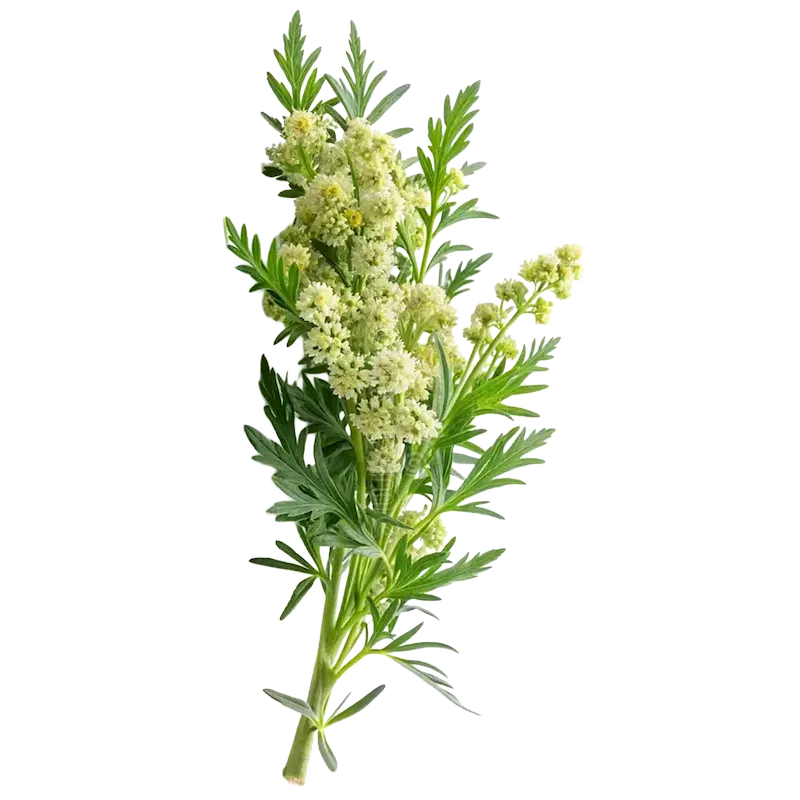
Mugwort (Artemisia vulgaris) is a perennial herbaceous plant known for its aromatic leaves and traditional medicinal uses. It belongs to the Artemisia genus, which includes various species used in herbal medicine. الشيح (Artemisia vulgaris) نبات عشبي معمر معروف بأوراقه العطرية واستخداماته الطبية التقليدية. وهو ينتمي إلى جنس الشيح، الذي يضم أنواعًا مختلفة تُستخدم في الطب العشبي.
Categoryالفئة
• Anti-inflammatory
• Digestive
• Antioxidant• مضاد للالتهابات
• مُحسّن للهضم
• مضاد للأكسدة
Habitatالموطن
Mugwort thrives in temperate regions and is commonly found in Europe, Asia, and North America. It prefers well-drained soils and can grow in both sunny and partially shaded areas. It's often grown in gardens or wild habitats. يزدهر نبات الشيح في المناطق المعتدلة، وينتشر بكثرة في أوروبا وآسيا وأمريكا الشمالية. يفضل التربة جيدة التصريف، ويمكنه النمو في المناطق المشمسة والمناطق شبه المظللة. يُزرع عادةً في الحدائق أو في بيئاته الطبيعية.
Parts usedالأجزاء المستخدمة
• Leaves
• Flowering tops• الأوراق
• قمم الأزهار
Key constituentsالمكوّنات الفعّالة
• Essential oils (1,8-cineole ~20–40%; camphor ~10–25%; alpha-thujone ~15–30% — antispasmodic, emmenagogue, antimicrobial)
• Sesquiterpene lactones (artabsin, vulgarin — bitter, digestive stimulant, antiparasitic)
• Flavonoids (quercetin, luteolin, artemetin — antioxidant, anti-inflammatory)
• Phenolic acids (caffeic acid, chlorogenic acid — antioxidant)
• Coumarins (scopoletin, umbelliferone — antispasmodic)
• Tannins (~3–6% — astringent, antimicrobial)
• Polysaccharides (immunomodulatory)
• Minerals (potassium, calcium, iron — nutritive)• زيوت عطرية (1,8-سينول ~20-40%؛ كافور ~10-25%؛ ألفا-ثوجون ~15-30% - مضاد للتشنج، محفز للطمث، مضاد للميكروبات)
• لاكتونات سيسكويتربين (أرتابسين، فولجارين - مر، منشط للهضم، مضاد للطفيليات)
• فلافونويدات (كيرسيتين، لوتولين، أرتيميتين - مضاد للأكسدة، مضاد للالتهابات)
• أحماض فينولية (حمض الكافيين، حمض الكلوروجينيك - مضاد للأكسدة)
• كومارين (سكوبوليتين، أومبليفيرون - مضاد للتشنج)
• تانينات (~3-6% - قابض، مضاد للميكروبات)
• عديدات السكاريد (معدلة للمناعة)
• معادن (بوتاسيوم، كالسيوم، حديد - مغذية)
Researchالأبحاث
There is ongoing research into the potential health benefits of mugwort, including its anti-inflammatory and antioxidant properties. Some studies also explore its use in traditional medicine. تُجرى أبحاث مستمرة حول الفوائد الصحية المحتملة لنبات الشيح، بما في ذلك خصائصه المضادة للالتهابات والمضادة للأكسدة. كما تستكشف بعض الدراسات استخدامه في الطب التقليدي.
Published researchأبحاث منشورة
↗ Therapeutic potential of Artemisia vulgaris: An insight into the phytochemical and pharmacological potential↗ Towards a better understanding of Artemisia vulgaris: Botany, phytochemistry, pharmacological and biotechnological potential↗ Significance of Artemisia Vulgaris L. (Common Mugwort)Traditional useالاستخدام التقليدي
• Mugwort has been used traditionally and continues to be employed for various purposes, including:
• Traditional Medicine: Used in traditional Chinese, Korean, and European herbal medicine for its digestive and anti-inflammatory properties.
• Culinary: Mugwort leaves have been used as a culinary herb in some cuisines.
• Moxibustion: In traditional Chinese medicine, dried mugwort leaves are used in moxibustion therapy, where they are burned near acupuncture points to promote healing.
• Aromatherapy: Its essential oil is used in aromatherapy for relaxation and stress relief.• استُخدم نبات الشيح تقليديًا ولا يزال يُستخدم لأغراض متنوعة، منها:
• الطب التقليدي: يُستخدم في الطب الصيني والكوري والأوروبي التقليدي لخصائصه الهضمية والمضادة للالتهابات.
• الطهي: تُستخدم أوراق الشيح كعشبة طهي في بعض المطابخ.
• الكي: في الطب الصيني التقليدي، تُستخدم أوراق الشيح المجففة في علاج الكي، حيث تُحرق بالقرب من نقاط الوخز بالإبر لتعزيز الشفاء.
• العلاج العطري: يُستخدم زيته العطري في العلاج العطري للاسترخاء وتخفيف التوتر.
Current useالاستخدام الحالي
• Mugwort Tea: Infuse dried mugwort leaves in hot water to make a soothing tea used for digestive support and relaxation.
• Moxibustion: Dried leaves are burned near specific points on the body to stimulate energy flow in traditional Chinese medicine.
• Aromatherapy: Mugwort essential oil is used in diffusers or added to massage oils for relaxation and stress relief.• شاي الشيح: يُنقع أوراق الشيح المجففة في الماء الساخن لتحضير شاي مهدئ يُستخدم لدعم الهضم والاسترخاء.
• الكي: تُحرق الأوراق المجففة بالقرب من نقاط محددة في الجسم لتحفيز تدفق الطاقة في الطب الصيني التقليدي.
• العلاج العطري: يُستخدم زيت الشيح العطري في أجهزة التبخير أو يُضاف إلى زيوت التدليك للاسترخاء وتخفيف التوتر.
Preparationsالتحضيرات
Culinary, Essential Oil, Teaزيت عطري, شاي, طهي
Used for these conditionsيُستخدم لهذه الحالات
Adult dosageجرعة البالغين
Dosages for adults may vary depending on the specific preparation and intended use. It's recommended to follow the instructions on the product label or consult with a healthcare provider for guidance. قد تختلف جرعات البالغين باختلاف نوع المستحضر والغرض من استخدامه. يُنصح باتباع التعليمات الموجودة على ملصق المنتج أو استشارة مقدم الرعاية الصحية للحصول على التوجيه اللازم.
Child dosageجرعة الأطفال
Consult a healthcare professional for appropriate dosages for children.استشر أخصائي رعاية صحية لتحديد الجرعات المناسبة للأطفال.
Cautionتحذيرات
Mugwort should be used with caution, as some individuals may be sensitive or allergic to it. Pregnant or breastfeeding women should avoid it, and it should not be used in excess. Always consult with a qualified healthcare practitioner before using mugwort for therapeutic purposes. يجب استخدام الشيح بحذر، إذ قد يعاني بعض الأشخاص من حساسية تجاهه. ينبغي على النساء الحوامل أو المرضعات تجنبه، كما يجب عدم الإفراط في استخدامه. استشر دائمًا طبيبًا مختصًا قبل استخدام الشيح لأغراض علاجية.
Pregnancy & nursingالحمل والرضاعة
Avoid during Pregnancy/Nursingيمنع أثناء الحمل والرضاعة