
Introductionمقدّمة
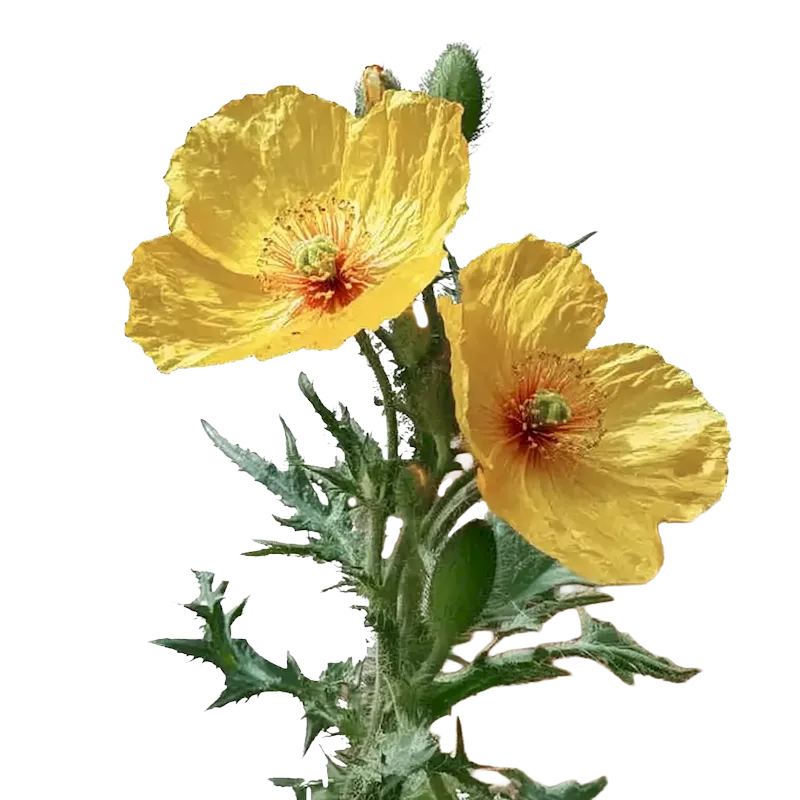
Mexican Poppy, scientifically known as Argemone mexicana, is a flowering plant native to Mexico and is also commonly referred to as "Mexican Prickly Poppy." This plant is known for its distinctive yellow to orange flowers and prickly leaves. Mexican Poppy has a history of traditional use for various purposes.الخشخاش المكسيكي، المعروف علميًا باسم Argemone mexicana، هو نبات مزهر موطنه الأصلي المكسيك، ويُعرف أيضًا باسم "الخشخاش المكسيكي الشائك". يتميز هذا النبات بأزهاره الصفراء إلى البرتقالية وأوراقه الشائكة. وللخشخاش المكسيكي تاريخ طويل من الاستخدام التقليدي لأغراض متنوعة.
Categoryالفئة
• Potential analgesic
• Potential anti-inflammatory
• Traditional use for pain relief and skin conditions• مسكن محتمل
• مضاد محتمل للالتهابات
• الاستخدام التقليدي لتسكين الألم وعلاج الأمراض الجلدية
Habitatالموطن
Mexican Poppy can be found in a variety of habitats, including disturbed areas, fields, and along roadsides. It is a hardy plant that can thrive in diverse conditions. Mexican Poppy is appreciated for its ornamental value and has been used traditionally for its potential medicinal properties. يُمكن العثور على الخشخاش المكسيكي في بيئات متنوعة، بما في ذلك المناطق المتضررة والحقول وعلى جوانب الطرق. وهو نبات قوي يتحمل الظروف المختلفة. يُقدّر الخشخاش المكسيكي لقيمته الجمالية، وقد استُخدم تقليديًا لخصائصه الطبية المحتملة.
Parts usedالأجزاء المستخدمة
• Leaves
• Seeds• أوراق
• بذور
Key constituentsالمكوّنات الفعّالة
• Alkaloids (berberine ~0.5–1.5%; sanguinarine; chelerythrine — antimicrobial, anti-inflammatory, antitumor)
• Benzophenanthridine alkaloids (dihydrosanguinarine, dihydrochelerythrine — cytotoxic, antimicrobial)
• Protopine (alkaloid — sedative, antispasmodic)
• Flavonoids (quercetin, kaempferol — antioxidant, anti-inflammatory)
• Fatty acids (seed oil: linoleic acid ~60%; oleic acid ~25% — nutritive)
• Tannins (~3–6% — astringent, antimicrobial)
• Carotenoids (beta-carotene — antioxidant)
• Minerals (calcium, iron, magnesium — nutritive)• قلويدات (بربرين ~0.5–1.5%؛ سانغوينارين؛ تشيليريثيرين - مضاد للميكروبات، مضاد للالتهابات، مضاد للأورام)
• قلويدات بنزوفينانثريدين (ديهيدروسانغوينارين، ديهيدروتشيليريثيرين - سامة للخلايا، مضادة للميكروبات)
• بروتوبين (قلويد - مهدئ، مضاد للتشنج)
• فلافونويدات (كيرسيتين، كامفيرول - مضاد للأكسدة، مضاد للالتهابات)
• أحماض دهنية (زيت البذور: حمض اللينوليك ~60%؛ حمض الأوليك ~25% - مغذٍ)
• تانينات (~3–6% - قابض، مضاد للميكروبات)
• كاروتينات (بيتا كاروتين - مضاد للأكسدة)
• معادن (كالسيوم، حديد، مغنيسيوم - مغذٍ)
Researchالأبحاث
Research on Mexican Poppy has explored its alkaloid content, including berberine, and its potential analgesic and anti-inflammatory properties. Traditionally, it has been used for pain relief and skin-related conditions. استكشفت الأبحاث التي أُجريت على نبات الخشخاش المكسيكي محتواه من القلويدات، بما في ذلك البربرين، وخصائصه المحتملة كمسكن للألم ومضاد للالتهابات. وقد استُخدم تقليديًا لتسكين الآلام وعلاج الأمراض الجلدية.
Published researchأبحاث منشورة
↗ Argemone mexicana decoction versus artesunate-amodiaquine for the management of malaria in Mali: policy and public-health implications↗ Argemone mexicana: A Boon to Medicinal and Pharmacological Approaches in Current Scenario↗ An In-depth Review on Argemone mexicana in the Management of Liver Health and Liver CancerTraditional useالاستخدام التقليدي
Different parts of Mexican Poppy, including the leaves and seeds, have been used traditionally for various purposes. It is known for its potential analgesic effects and application for skin conditions.استُخدمت أجزاء مختلفة من نبات الخشخاش المكسيكي، بما في ذلك الأوراق والبذور، تقليديًا لأغراض متنوعة. وهو معروف بتأثيراته المسكنة المحتملة واستخدامه في علاج الأمراض الجلدية.
Current useالاستخدام الحالي
Mexican Poppy can be prepared as herbal infusions (tea), poultices, or used in traditional remedies. It has been traditionally used for pain relief and addressing skin conditions. يمكن تحضير الخشخاش المكسيكي على شكل مشروب عشبي (شاي)، أو كمادات، أو استخدامه في العلاجات التقليدية. وقد استُخدم تقليدياً لتسكين الآلام وعلاج الأمراض الجلدية.
Preparationsالتحضيرات
Infusion, Poultice, Tea, Whole (Fresh/Dried)شاي, كامل (طازج/مجفف), لبخة, منقوع
Used for these conditionsيُستخدم لهذه الحالات
Adult dosageجرعة البالغين
Dosage recommendations for Mexican Poppy may vary based on the purpose and preparation form. It is typically used in appropriate quantities for traditional medicinal purposes. قد تختلف توصيات الجرعات لنبات الخشخاش المكسيكي باختلاف الغرض وطريقة التحضير. ويُستخدم عادةً بكميات مناسبة للأغراض الطبية التقليدية.
Child dosageجرعة الأطفال
Dosages for Mexican Poppy may vary based on the specific health condition and intended use. It is advisable to consult with a qualified herbalist or healthcare provider for guidance on dosages and usage. قد تختلف جرعات الخشخاش المكسيكي باختلاف الحالة الصحية والغرض من الاستخدام. يُنصح باستشارة أخصائي أعشاب مؤهل أو مقدم رعاية صحية للحصول على إرشادات بشأن الجرعات وطريقة الاستخدام.
Cautionتحذيرات
TOXIC. Argemone mexicana seeds and seed oil contain sanguinarine and dihydrosanguinarine; ingestion, or contamination of edible oils, causes epidemic dropsy (severe oedema), glaucoma, and cardio-respiratory failure that can be fatal. Do not use internally. External/traditional use only under professional guidance; keep away from food oils; avoid in pregnancy and lactation.سام. تحتوي بذور الخشخاش المكسيكي وزيتها على السانغوينارين والديهيدروسانغوينارين؛ ويؤدي ابتلاعها أو تلوث الزيوت الغذائية بها إلى الاستسقاء الوبائي (وذمة شديدة) والزَرَق (الجلوكوما) وفشل القلب والتنفس وقد يكون قاتلاً. لا يُستخدم داخلياً. يُقتصر على الاستخدام الخارجي/التقليدي تحت إشراف مختص، ويُبعد عن زيوت الطعام، ويُمنع أثناء الحمل والرضاعة.
Pregnancy & nursingالحمل والرضاعة
Avoid during Pregnancy/Nursingيمنع أثناء الحمل والرضاعة