
Introductionمقدّمة
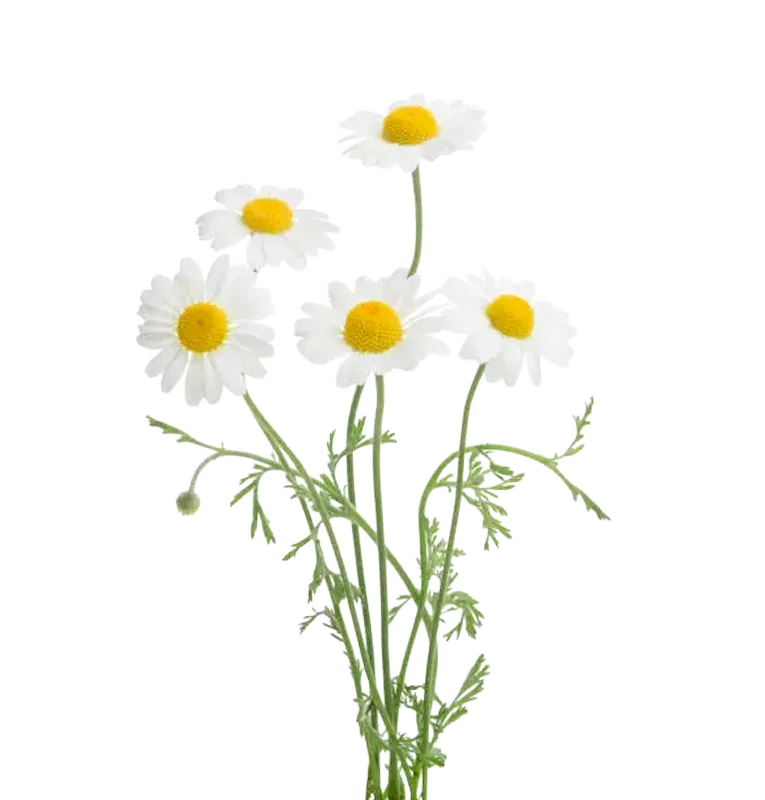
Mayweed, scientifically known as Anthemis cotula, is an annual herb native to Europe and Asia, but it is now widespread in many parts of the world. It is also commonly known as Stinking Chamomile due to its strong odor. Mayweed is known for its feathery leaves and potential medicinal properties.نبات البابونج البري، المعروف علميًا باسم Anthemis cotula، هو عشب حولي موطنه الأصلي أوروبا وآسيا، ولكنه ينتشر الآن على نطاق واسع في أجزاء كثيرة من العالم. ويُعرف أيضًا باسم البابونج الكريه الرائحة نظرًا لرائحته النفاذة. يتميز البابونج البري بأوراقه الريشية وخصائصه الطبية المحتملة.
Categoryالفئة
• Potential anti-inflammatory
• Potential antispasmodic
• Potential carminative
• Traditional use for various health concerns• مضاد محتمل للالتهابات
• مضاد محتمل للتشنج
• طارد محتمل للغازات
• الاستخدام التقليدي لعلاج مشاكل صحية متنوعة
Habitatالموطن
Mayweed can be found in a variety of habitats, including fields, roadsides, and disturbed areas. It is considered a weed in some regions. Mayweed is an annual plant that self-seeds easily and can grow in various soil types. يُمكن العثور على نبات البابونج البري في بيئات متنوعة، بما في ذلك الحقول وجوانب الطرق والمناطق المتضررة. ويُعتبر من الأعشاب الضارة في بعض المناطق. البابونج البري نبات حولي يتكاثر ذاتيًا بسهولة، وينمو في أنواع مختلفة من التربة.
Parts usedالأجزاء المستخدمة
• Aerial parts (leaves and flowers)
• Occasionally the roots• الأجزاء الهوائية (الأوراق والأزهار)
• الجذور أحيانًا
Key constituentsالمكوّنات الفعّالة
• Essential oil dominated by irritant esters and sesquiterpene lactones (notably anthecotulide) responsible for its acrid odour and dermatitis potential — unlike true chamomile it contains little or no chamazulene or α-bisabolol
• Flavonoids (apigenin, luteolin — antioxidant)
• Phenolic acids (caffeic, chlorogenic — antioxidant)
• Tannins (~3–6% — astringent)• زيت عطري تغلب عليه الإسترات المهيّجة واللاكتونات السيسكويتربينية (خاصة أنثيكوتوليد) المسؤولة عن رائحته اللاذعة واحتمال إحداثه التهاب الجلد — وخلافًا للبابونج الحقيقي يحتوي على القليل جدًا من الشامازولين أو ألفا-بيسابولول أو لا يحتويهما إطلاقًا
• فلافونويدات (أبيجينين، لوتولين - مضاد للأكسدة)
• أحماض فينولية (الكافيين، الكلوروجينيك - مضاد للأكسدة)
• تانينات (~3–6% - قابض)
Researchالأبحاث
Research on Mayweed has primarily focused on its potential anti-inflammatory, antispasmodic, and carminative properties. It is traditionally used for digestive and respiratory support and other health concerns. ركزت الأبحاث على نبات البابونج بشكل أساسي على خصائصه المحتملة المضادة للالتهابات والتشنجات وطرد الغازات. ويُستخدم تقليدياً لدعم الجهاز الهضمي والتنفسي ولعلاج مشاكل صحية أخرى.
Traditional useالاستخدام التقليدي
Traditionally, different parts of Mayweed, including the aerial parts and sometimes the roots, are used for various purposes. The plant is known for its strong aroma and potential therapeutic properties.تُستخدم أجزاء مختلفة من نبات البابونج تقليديًا، بما في ذلك الأجزاء الهوائية وأحيانًا الجذور، لأغراض متنوعة. ويُعرف هذا النبات برائحته القوية وخصائصه العلاجية المحتملة.
Current useالاستخدام الحالي
Mayweed can be prepared as herbal infusions (tea), tinctures, or used in traditional remedies. It is traditionally used for digestive and respiratory support and as a potential carminative. يمكن تحضير عشبة البابونج على شكل مشروبات عشبية (شاي)، أو صبغات، أو استخدامها في العلاجات التقليدية. وتُستخدم تقليديًا لدعم صحة الجهاز الهضمي والتنفسي، كما أنها طاردة محتملة للغازات.
Preparationsالتحضيرات
Infusion, Tea, Tinctureشاي, خلاصة سائلة, منقوع
Used for these conditionsيُستخدم لهذه الحالات
Adult dosageجرعة البالغين
Dosage recommendations for Mayweed may vary based on the purpose and preparation form. It is typically used in appropriate quantities in traditional herbal remedies. قد تختلف توصيات الجرعات لنبات البابونج البري باختلاف الغرض وطريقة التحضير. ويُستخدم عادةً بكميات مناسبة في العلاجات العشبية التقليدية.
Child dosageجرعة الأطفال
Dosages for Mayweed may vary based on specific health conditions and individual preferences. It's advisable to consult with a qualified herbalist or healthcare provider for guidance on dosages and usage. قد تختلف جرعات عشبة البابونج باختلاف الحالات الصحية والتفضيلات الشخصية. يُنصح باستشارة أخصائي أعشاب مؤهل أو مقدم رعاية صحية للحصول على إرشادات حول الجرعات وطريقة الاستخدام.
Cautionتحذيرات
Anthemis cotula (stinking mayweed) is a known skin and mucous-membrane irritant: contact with the fresh plant or its acrid juice can cause contact dermatitis, burning and blistering, and internal use may irritate the digestive tract. It is not equivalent to true chamomile. Use only well-dried material cautiously, avoid in pregnancy, and avoid entirely if allergic to Asteraceae plants.نبات الأنثيميس كوتولا (البابونج الكريه الرائحة) مهيّج معروف للجلد والأغشية المخاطية: قد يسبب ملامسة النبات الطازج أو عصارته اللاذعة التهاب الجلد التماسي والحرقة والتقرّح، وقد يهيّج الاستخدام الداخلي الجهاز الهضمي. وهو ليس مكافئًا للبابونج الحقيقي. يُستخدم فقط المجفف جيدًا وبحذر، ويُتجنّب أثناء الحمل، ويُتجنّب تمامًا عند وجود حساسية لنباتات الفصيلة النجمية.