
Introductionمقدّمة
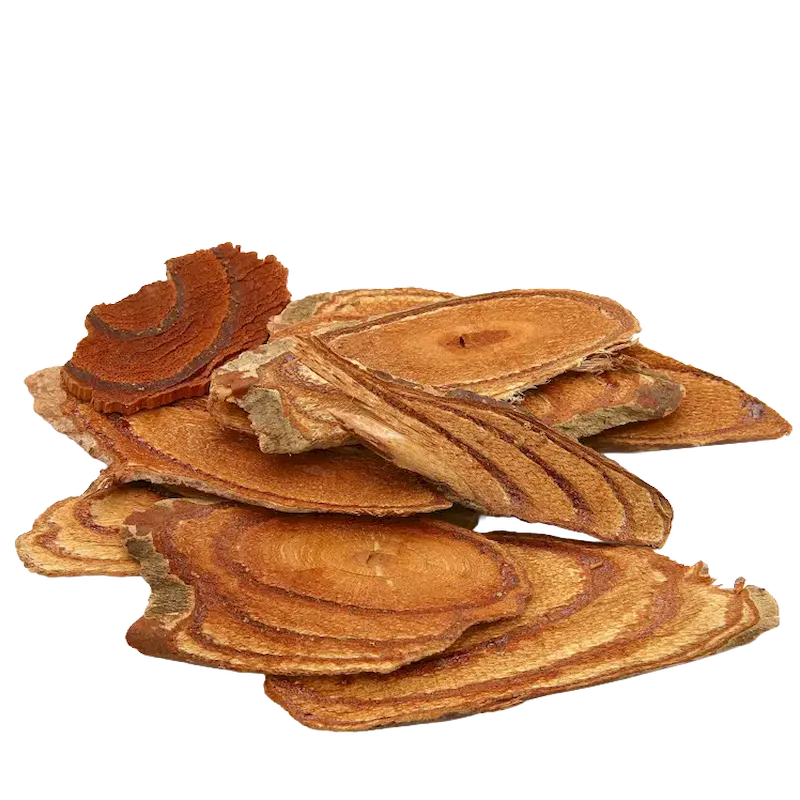
Ji Xue Teng, scientifically known as Spatholobus suberectus, is a climbing vine native to East Asia, particularly China. It belongs to the Fabaceae family and has a history of use in traditional Chinese medicine (TCM). Ji Xue Teng is valued for its potential medicinal properties and is often used in TCM formulations. نبات جي شيويه تينغ، المعروف علميًا باسم Spatholobus suberectus، هو نبات متسلق موطنه الأصلي شرق آسيا، وخاصة الصين. ينتمي إلى الفصيلة البقولية (Fabaceae) وله تاريخ طويل في الطب الصيني التقليدي. يُقدّر نبات جي شيويه تينغ لخصائصه الطبية المحتملة، ويُستخدم غالبًا في تركيبات الطب الصيني التقليدي.
Categoryالفئة
• Traditional use for promoting blood circulation and removing blood stasis
• Potential cardiovascular and antioxidant effects
• Limited modern clinical research• الاستخدام التقليدي لتحسين الدورة الدموية وإزالة ركود الدم
• تأثيرات محتملة على القلب والأوعية الدموية ومضادات الأكسدة
• أبحاث سريرية حديثة محدودة
Habitatالموطن
Ji Xue Teng is typically found in forested areas and is cultivated for its stems and roots. The key constituents of Ji Xue Teng include flavonoids, stilbenes, and other phytochemicals, which contribute to its potential therapeutic effects.يُوجد نبات جي شيويه تينغ عادةً في المناطق الحرجية، ويُزرع من أجل سيقانه وجذوره. تشمل المكونات الرئيسية لهذا النبات مركبات الفلافونويد والستيلبين وغيرها من المواد الكيميائية النباتية، والتي تُساهم في فوائده العلاجية المحتملة.
Parts usedالأجزاء المستخدمة
• Stems
• Roots• السيقان
• الجذور
Key constituentsالمكوّنات الفعّالة
• Flavan-3-ols (catechin, epicatechin)
• Procyanidins / proanthocyanidins (B-type procyanidin dimers/trimers/oligomers; major phenolic fraction)
• Isoflavones (formononetin as a key marker; also genistein and related isoflavones)
• Pterocarpans (medicarpin, maackiain; related pterocarpans)
• Chalcones / flavanones (isoliquiritigenin; 7-hydroxyflavanone-type)
• Phenolic acids (gallic acid, gentisic-acid derivatives)• فلافان-3-أول (كاتشين، إبيكاتشين)
• بروسيانيدينات / بروانثوسيانيدينات (ثنائيات/ثلاثيات/قليلات بروسيانيدين من النوع B؛ الجزء الفينولي الرئيسي)
• إيزوفلافونات (فورمونونيتين كعلامة رئيسية؛ وكذلك جينيستين وإيزوفلافونات ذات صلة)
• بتيروكاربانات (ميديكاربين، ماكيان؛ بتيروكاربانات ذات صلة)
• كالكونات / فلافانونات (إيزوليكويريتيجينين؛ من نوع 7-هيدروكسي فلافانون)
• أحماض فينولية (حمض الغاليك، مشتقات حمض الجنتيسيك)
Researchالأبحاث
Research on Ji Xue Teng has primarily explored its traditional use in TCM for promoting blood circulation and removing blood stasis. It is also studied for its potential cardiovascular benefits and antioxidant properties, but it has limited modern clinical research supporting specific medicinal claims.ركزت الأبحاث حول نبات جي شيويه تينغ بشكل أساسي على استخدامه التقليدي في الطب الصيني التقليدي لتحسين الدورة الدموية وإزالة ركود الدم. كما دُرست فوائده المحتملة للقلب والأوعية الدموية وخصائصه المضادة للأكسدة، إلا أن الأبحاث السريرية الحديثة التي تدعم مزاعمه الطبية المحددة لا تزال محدودة.
Traditional useالاستخدام التقليدي
Ji Xue Teng is traditionally used in TCM formulations, primarily for its potential in promoting blood circulation and removing blood stasis. The stems and roots are used for their therapeutic potential. يُستخدم نبات جي شيويه تينغ تقليدياً في تركيبات الطب الصيني التقليدي، وذلك بشكل أساسي لقدرته على تحسين الدورة الدموية وإزالة ركود الدم. وتُستخدم سيقانه وجذوره لفوائدها العلاجية.
Current useالاستخدام الحالي
Ji Xue Teng can be prepared as herbal decoctions, tinctures, or incorporated into TCM formulas. Its uses may vary based on traditional knowledge and desired applications. It is traditionally used for promoting blood circulation and addressing blood stasis-related concerns. يمكن تحضير نبات جي شيويه تينغ على شكل مغليّات عشبية أو صبغات، أو إضافته إلى تركيبات الطب الصيني التقليدي. وتختلف استخداماته باختلاف المعارف التقليدية والتطبيقات المرغوبة. ويُستخدم تقليديًا لتحسين الدورة الدموية ومعالجة مشاكل ركود الدم.
Preparationsالتحضيرات
Decoction, Tinctureخلاصة سائلة, مغلي
Used for these conditionsيُستخدم لهذه الحالات
Adult dosageجرعة البالغين
Dosage recommendations for Ji Xue Teng may vary based on the specific TCM formulation or traditional remedy. It is typically used as part of a TCM formula, and the dosage is determined by a qualified TCM practitioner. Consult with a qualified practitioner or healthcare provider for guidance on therapeutic dosages. قد تختلف توصيات جرعة دواء جي شيويه تينغ بناءً على تركيبة الطب الصيني التقليدي أو العلاج التقليدي المُستخدم. يُستخدم عادةً كجزء من تركيبة طبية صينية تقليدية، ويُحدد الجرعة من قِبل مُمارس مُؤهل في الطب الصيني التقليدي. استشر مُمارسًا مُؤهلًا أو مُقدم رعاية صحية للحصول على إرشادات بشأن الجرعات العلاجية.
Child dosageجرعة الأطفال
Dosage recommendations for Ji Xue Teng may vary depending on the specific TCM formulation or traditional remedy. It is advisable to consult with a qualified TCM practitioner or healthcare provider for guidance on dosages and usage.قد تختلف توصيات الجرعات لدواء جي شيويه تينغ تبعًا لتركيبة الطب الصيني التقليدي أو العلاج التقليدي المستخدم. يُنصح باستشارة طبيب متخصص في الطب الصيني التقليدي أو مقدم رعاية صحية للحصول على إرشادات حول الجرعات وطريقة الاستخدام.
Cautionتحذيرات
Ji Xue Teng is generally considered safe when used as directed in traditional herbal preparations. However, it should be used under the guidance of a qualified TCM practitioner or healthcare provider, especially if you have underlying health conditions or are pregnant or nursing. يُعتبر دواء جي شيويه تينغ آمناً بشكل عام عند استخدامه وفقاً للإرشادات في المستحضرات العشبية التقليدية. ومع ذلك، ينبغي استخدامه تحت إشراف ممارس مؤهل في الطب الصيني التقليدي أو مقدم رعاية صحية، خاصةً إذا كنت تعاني من مشاكل صحية كامنة أو كنتِ حاملاً أو مرضعة.
Pregnancy & nursingالحمل والرضاعة
Avoid during Pregnancy/Nursingيمنع أثناء الحمل والرضاعة