
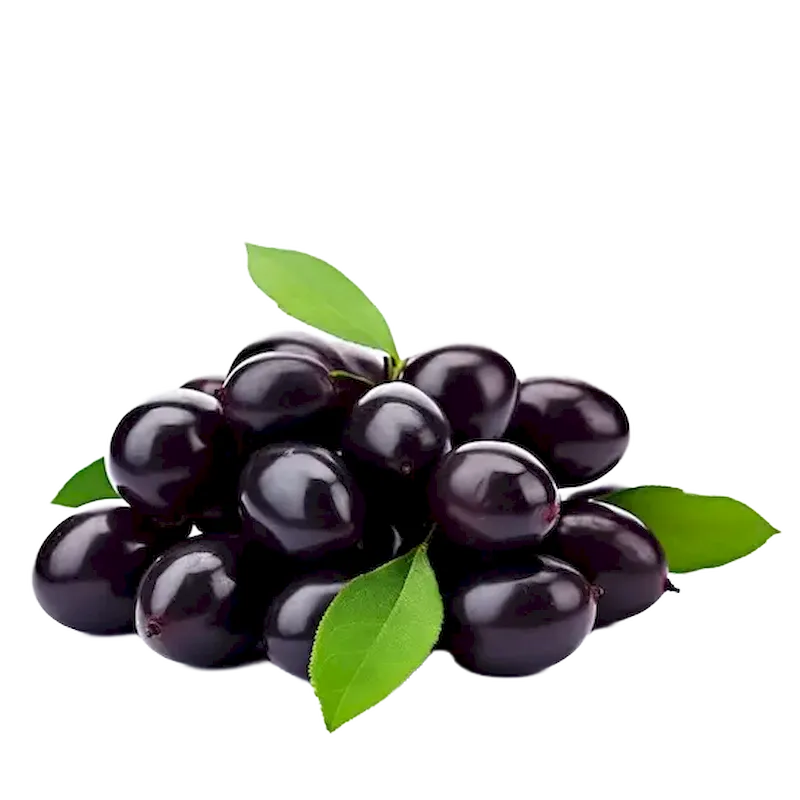
Introductionمقدّمة
Jambul, scientifically known as Syzygium cumini, is a tropical tree native to South Asia and Southeast Asia. It belongs to the Myrtaceae family and is recognized for its edible fruit and potential medicinal properties. Jambul has a long history of use in traditional Ayurvedic and folk medicine.شجرة الجامبو، واسمها العلمي Syzygium cumini، هي شجرة استوائية موطنها جنوب آسيا وجنوب شرق آسيا. تنتمي إلى الفصيلة الآسية (Myrtaceae) وتُعرف بثمارها الصالحة للأكل وخصائصها الطبية المحتملة. وللجامبو تاريخ طويل في الطب الأيورفيدي والشعبي التقليدي.
Categoryالفئة
• Potential antidiabetic effects
• Astringent and antimicrobial properties
• Limited modern research• تأثيرات محتملة مضادة لمرض السكري
• خصائص قابضة ومضادة للميكروبات
• أبحاث حديثة محدودة
Habitatالموطن
Jambul trees thrive in tropical and subtropical climates, often growing in the wild or as cultivated fruit trees in gardens and orchards. The fruit, seeds, leaves, and bark of the Jambul tree are used for their potential therapeutic benefits. تزدهر أشجار الجامبول في المناخات الاستوائية وشبه الاستوائية، وغالبًا ما تنمو بريًا أو كأشجار فاكهة مزروعة في الحدائق والبساتين. وتُستخدم ثمار وبذور وأوراق ولحاء شجرة الجامبول لفوائدها العلاجية المحتملة.
Parts usedالأجزاء المستخدمة
• Fruit
• Seeds
• Leaves
• Bark• ثمار
• بذور
• أوراق
• لحاء
Key constituentsالمكوّنات الفعّالة
• Seeds: alkaloid jambosine and glycoside jambolin (antimellin), plus ellagic acid, gallic acid, corilagin, hexahydroxydiphenoyl glucose derivatives and other hydrolysable tannins.
• Fruit pulp and peel: anthocyanins (cyanidin, delphinidin, petunidin, peonidin, malvidin), flavonols such as quercetin, myricetin, kaempferol, plus gallic and ellagic acids and other phenolics.
• Leaves: acylated flavonol glycosides (quercetin and myricetin glycosides), triterpenoids, tannins, and essential oil rich in β‑farnesene, terpinen‑4‑ol, β‑myrcene, γ‑cadinene, fenchol and cis‑β‑ocimene.
• Bark: betulinic acid, friedelin, epi‑friedelanol, β‑sitosterol, eugenin, plus gallic and ellagic acids, bergenin, flavonoids and condensed/hydrolysable tannins.• البذور: قلويد جامبوسين وجليكوسيد جامبولين (أنتيميلين)، بالإضافة إلى حمض الإيلاجيك، وحمض الغاليك، والكوريلاجين، ومشتقات هيكساهيدروكسي ثنائي فينيل الجلوكوز، وتانينات أخرى قابلة للتحلل.
• لب الثمرة وقشرها: أنثوسيانين (سيانيدين، دلفينيدين، بيتونيدين، بيونيدين، مالفيدين)، وفلافونولات مثل الكيرسيتين، والميريسيتين، والكامفيرول، بالإضافة إلى حمض الغاليك وحمض الإيلاجيك، ومركبات فينولية أخرى.
• الأوراق: جليكوسيدات فلافونولية مُؤَسْتَلَة (جليكوسيدات الكيرسيتين والميريسيتين)، وتريتربينويدات، وتانينات، وزيت عطري غني بـβ-فارنيسين، وتربينين-4-أول، وβ-ميرسين، وγ-كادينين، وفينشول، وسيس-β-أوسيمين.
• اللحاء: حمض البيتولينيك، فريديلين، إيبي-فريديلانول، بيتا-سيتوستيرول، يوجينين، بالإضافة إلى حمض الغاليك وحمض الإيلاجيك، بيرجينين، الفلافونويدات والتانينات المكثفة/القابلة للتحلل.
Researchالأبحاث
Research on Jambul has focused on its chemical constituents, including jambosine, ellagic acid, and tannins. It is traditionally associated with potential antidiabetic effects, as well as astringent and antimicrobial properties, but there is limited modern research on its specific therapeutic properties.ركزت الأبحاث على نبات الجابول على مكوناته الكيميائية، بما في ذلك الجابوسين وحمض الإيلاجيك والتانينات. ويرتبط تقليدياً بتأثيرات محتملة مضادة لمرض السكري، فضلاً عن خصائصه القابضة والمضادة للميكروبات، ولكن الأبحاث الحديثة حول خصائصه العلاجية المحددة محدودة.
Published researchأبحاث منشورة
↗ Syzygium cumini inhibits adenosine deaminase activity and reduces glucose levels in hyperglycemic patients↗ Syzygium cumini (L.) Skeels., a novel therapeutic agent for diabetes: folk medicinal and pharmacological evidences↗ Syzygium cumini (L.) SKEELS (Myrtaceae) against diabetes--125 years of researchTraditional useالاستخدام التقليدي
Various parts of the Jambul tree, including the fruit, seeds, leaves, and bark, are used for their potential therapeutic benefits. It is traditionally known for its use in managing diabetes and addressing various health issues. تُستخدم أجزاء مختلفة من شجرة الجامبول، بما في ذلك الثمار والبذور والأوراق واللحاء، لفوائدها العلاجية المحتملة. وهي معروفة تقليديًا باستخدامها في إدارة مرض السكري ومعالجة العديد من المشاكل الصحية.
Current useالاستخدام الحالي
Jambul can be consumed as fresh fruit or used in various preparations, including herbal infusions, extracts, and traditional remedies. Its uses may vary based on traditional knowledge and desired applications. It is traditionally used for managing diabetes and as a general remedy. يمكن تناول فاكهة الجمبول طازجة أو استخدامها في تحضيرات متنوعة، بما في ذلك المشروبات العشبية والمستخلصات والعلاجات التقليدية. وتختلف استخداماتها باختلاف المعارف التقليدية والاستخدامات المرغوبة. ويُستخدم تقليديًا في علاج داء السكري وكعلاج عام.
Preparationsالتحضيرات
Extract, Infusion, Whole (Fresh/Dried)كامل (طازج/مجفف), مستخلص جاف, منقوع
Used for these conditionsيُستخدم لهذه الحالات
Adult dosageجرعة البالغين
Dosage recommendations for Jambul may vary based on the specific product or remedy. It is typically used in appropriate quantities for the intended purpose, whether consumed as fresh fruit or in other forms. Consult with a qualified herbalist or healthcare provider for guidance on therapeutic dosages. قد تختلف توصيات جرعات نبات الجمبول باختلاف المنتج أو العلاج المستخدم. ويُستخدم عادةً بكميات مناسبة للغرض المقصود، سواءً تم تناوله كفاكهة طازجة أو بأشكال أخرى. استشر أخصائي أعشاب مؤهلاً أو مقدم رعاية صحية للحصول على إرشادات بشأن الجرعات العلاجية.
Child dosageجرعة الأطفال
Dosages for Jambul may vary depending on the intended use and preparation form. When used for diabetes management, it is typically consumed in moderate amounts as part of the diet. Consult with a qualified herbalist or healthcare provider for guidance on dosages and usage.قد تختلف جرعات نبات الجمبول حسب الاستخدام المقصود وطريقة التحضير. عند استخدامه في إدارة مرض السكري، يُستهلك عادةً بكميات معتدلة كجزء من النظام الغذائي. استشر أخصائي أعشاب مؤهلاً أو مقدم رعاية صحية للحصول على إرشادات حول الجرعات وطريقة الاستخدام.
Cautionتحذيرات
May lower blood sugar. If you take antidiabetic medication (insulin, sulfonylureas or others), combined use can cause additive hypoglycemia — monitor closely and consult your provider before use. Discontinue and inform your surgeon before scheduled surgery.قد يخفض سكر الدم. إذا كنت تتناول أدوية السكري (الأنسولين أو السلفونيل يوريا أو غيرها)، فقد يؤدي الاستخدام المشترك إلى انخفاض إضافي في سكر الدم — راقب مستوياتك عن كثب واستشر طبيبك قبل الاستخدام. أوقفه وأبلغ جرّاحك قبل أي عملية جراحية مجدولة.