
Introductionمقدّمة
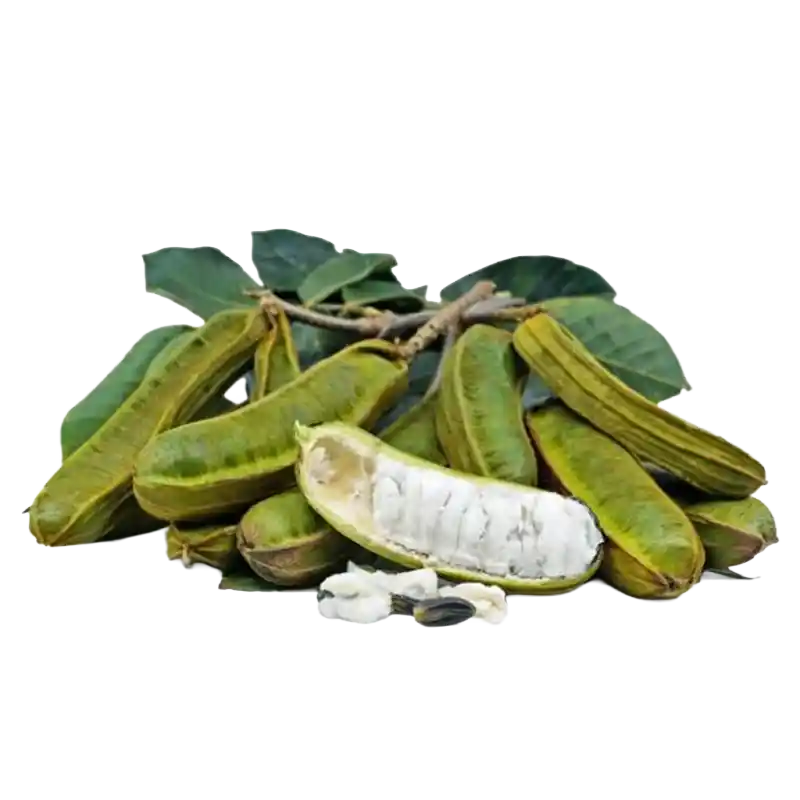
Ice cream bean (Inga edulis) is a tropical legume whose long pods contain seeds wrapped in a sweet, cotton-like white pulp that tastes of vanilla ice cream. It is a beloved Amazonian fruit and a nitrogen-fixing shade tree.فول الآيس كريم (Inga edulis) بقول استوائي تحوي قرونه الطويلة بذوراً ملفوفة بلبّ أبيض حلو يشبه القطن بطعم بوظة الفانيلا. وهو فاكهة محبوبة في الأمازون وشجرة ظلّ مثبِّتة للنيتروجين.
Categoryالفئة
• Legume (tropical pod)
• Sweet edible pulp
• Antioxidant
• Traditional digestive• بقوليات (قرن استوائي)
• لبّ حلو صالح للأكل
• مضاد للأكسدة
• هاضم تقليدي
Habitatالموطن
A fast-growing tree of the Amazon basin and tropical Central and South America, widely planted for shade in coffee and cacao plantations.شجرة سريعة النمو في حوض الأمازون والمناطق الاستوائية بأمريكا الوسطى والجنوبية، تُزرع كثيراً للظلّ في مزارع البنّ والكاكاو.
Parts usedالأجزاء المستخدمة
• Pulp (aril) around the seeds
• Bark and leaves (traditional medicine)• اللبّ (الغلاف) حول البذور
• اللحاء والأوراق (طب تقليدي)
Key constituentsالمكوّنات الفعّالة
• Simple sugars and soluble fibre (pulp)
• Vitamin C and antioxidants
• Bark/leaf: tannins and polyphenols• سكريات بسيطة وألياف ذائبة (اللبّ)
• فيتامين ج ومضادات أكسدة
• اللحاء/الأوراق: تانينات وبوليفينولات
Researchالأبحاث
Ethnobotanical studies document traditional use of Inga bark and leaves for digestive complaints; laboratory work notes antioxidant and antimicrobial activity.توثّق الدراسات الإثنوبوتانية الاستخدام التقليدي للحاء الإنغا وأوراقها لمشاكل الهضم؛ وتشير الأعمال المخبرية إلى نشاط مضاد للأكسدة ومضاد للميكروبات.
Published researchأبحاث منشورة
↗ Inga edulis fruits: a new source of bioactive anthocyanins↗ Photochemoprevention of topical formulation containing purified fraction of Inga edulis leaves extract↗ Obtainment of an enriched fraction of Inga edulis: identification using UPLC-DAD-MS/MS and photochemopreventive screeningTraditional useالاستخدام التقليدي
The sweet pulp is eaten fresh as a fruit; Amazonian peoples use the bark and leaves for diarrhoea and as an antiseptic wash.يُؤكل اللبّ الحلو طازجاً كفاكهة؛ وتستخدم شعوب الأمازون اللحاء والأوراق للإسهال وكغسول مطهّر.
Current useالاستخدام الحالي
Eaten fresh out of the pod; grown widely in agroforestry for shade, fruit and soil enrichment.يُؤكل طازجاً من القرن؛ ويُزرع كثيراً في الزراعة الحرجية للظلّ والفاكهة وإغناء التربة.
Preparationsالتحضيرات
Culinary (fresh fruit)طازج (فاكهة)
Used for these conditionsيُستخدم لهذه الحالات
Adult dosageجرعة البالغين
Eaten as a fruit; no standard medicinal dose is established.يُؤكل كفاكهة؛ لا توجد جرعة طبية قياسية ثابتة.
Child dosageجرعة الأطفال
The sweet pulp is enjoyed by children as a fruit; medicinal bark preparations are not advised without guidance.يستمتع الأطفال باللبّ الحلو كفاكهة؛ ولا يُنصح بمستحضرات اللحاء الطبية دون إشراف.
Cautionتحذيرات
Only the pulp is a common food; the raw seeds are not eaten raw. As a legume it may cross-react in people with legume allergy.اللبّ وحده غذاء شائع؛ ولا تُؤكل البذور نيئة. وكبقول قد يتفاعل تحسّسياً لدى من لديهم حساسية البقوليات.
Pregnancy & nursingالحمل والرضاعة
The pulp is a food and considered safe; avoid concentrated bark/leaf preparations in pregnancy without professional advice.اللبّ غذاء ويُعدّ آمناً؛ وتُتجنَّب مستحضرات اللحاء/الأوراق المركّزة في الحمل دون استشارة مختص.