
Introductionمقدّمة
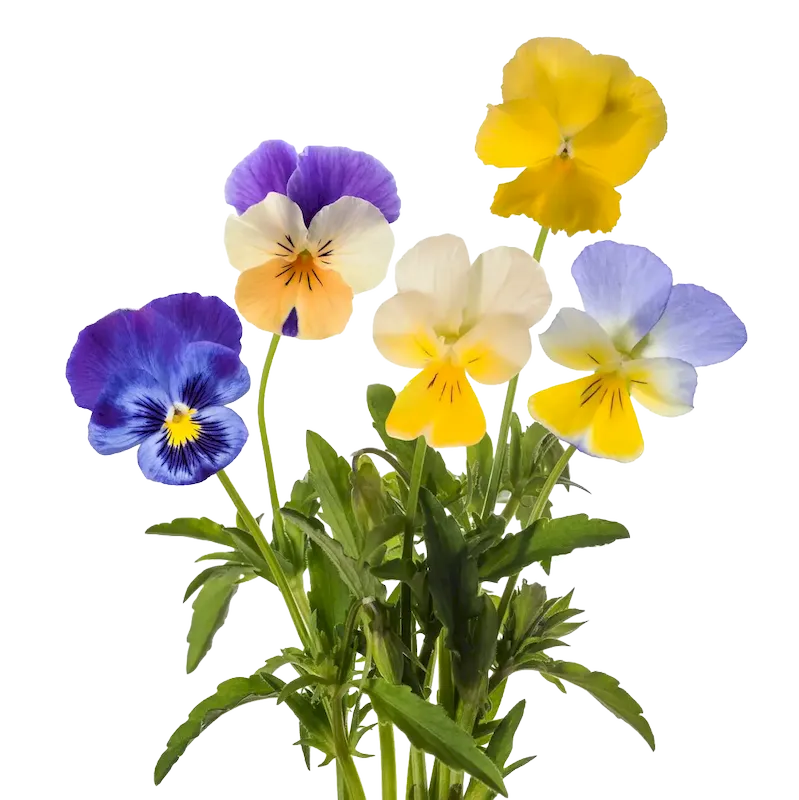
Heartsease, scientifically known as Viola tricolor, is a charming annual or short-lived perennial herb belonging to the Violaceae family. It is characterized by its small, delicate flowers with tricolored petals and potential medicinal properties. زهرة القلب، واسمها العلمي Viola tricolor، هي عشبة ساحرة حولية أو معمرة قصيرة العمر تنتمي إلى الفصيلة البنفسجية. تتميز بأزهارها الصغيرة الرقيقة ذات البتلات ثلاثية الألوان وخصائصها الطبية المحتملة.
Categoryالفئة
• Potential anti-inflammatory
• Expectorant
• Traditional use for skin conditions and respiratory issues• مضاد محتمل للالتهابات
• مقشع
• الاستخدام التقليدي لحالات الجلد ومشاكل الجهاز التنفسي
Habitatالموطن
Heartsease is native to Europe and Asia but has naturalized in other parts of the world. It thrives in a variety of habitats, including grasslands and meadows. The entire plant, particularly the aerial parts, is used for its potential therapeutic benefits. نبات القلب موطنه الأصلي أوروبا وآسيا، ولكنه استوطن مناطق أخرى من العالم. ينمو بكثرة في بيئات متنوعة، بما في ذلك المراعي والأراضي العشبية. ويُستخدم النبات بأكمله، وخاصة أجزائه الهوائية، لفوائده العلاجية المحتملة.
Parts usedالأجزاء المستخدمة
• Aerial parts (leaves, flowers)
• Whole plant• الأجزاء الهوائية (الأوراق، الأزهار)
• النبات بأكمله
Key constituentsالمكوّنات الفعّالة
• Flavonoids: mainly violanthin (6‑C‑glucosyl‑8‑C‑rhamnosyl apigenin) and rutin (quercetin‑3‑rutinoside), with additional quercetin, luteolin, luteolin‑7‑glucoside, violaquercitrin and other flavonols/flavones.
• Salicylates and phenolic acids: salicylic acid, methyl salicylate, p‑coumaric and chlorogenic acids, plus general phenolic acids and tannins.
• Cyclotides and saponins: numerous cyclic peptides (cyclotides; >100 variants reported) alongside triterpene saponins, which are characteristic for V. tricolor.
• Other components: mucilage, carotenoids (violaxanthin, lutein, zeaxanthin, β‑carotene), vitamins A, C and E, volatile oil, traces of alkaloids and various organic acids.• الفلافونويدات: تتكون أساسًا من الفيولانثين (6-C-غلوكوزيل-8-C-رامنوزيل أبيجينين) والروتين (كيرسيتين-3-روتينوسيد)، بالإضافة إلى الكيرسيتين واللوتولين ولوتولين-7-غلوكوزيد وفيولاكيرسيترين وفلافونولات/فلافونات أخرى.
• الساليسيلات والأحماض الفينولية: حمض الساليسيليك، وساليسيلات الميثيل، وحمض الكوماريك، وحمض الكلوروجينيك، بالإضافة إلى الأحماض الفينولية العامة والتانينات.
• السيكلوتيدات والصابونينات: العديد من الببتيدات الحلقية (السيكلوتيدات؛ تم الإبلاغ عن أكثر من 100 نوع) إلى جانب صابونينات الترايتيربين، وهي سمة مميزة لنبات V. tricolor.
• مكونات أخرى: الصمغ، والكاروتينات (فيولاكسانثين، ولوتين، وزياكسانثين، وبيتا كاروتين)، والفيتامينات أ، ج، وهـ، والزيت الطيار، وآثار من القلويدات والأحماض العضوية المختلفة.
Researchالأبحاث
While limited scientific research exists, Heartsease is traditionally used for its potential anti-inflammatory and expectorant properties. It has a history of use for skin conditions and respiratory ailments in herbal medicine.على الرغم من محدودية الأبحاث العلمية المتوفرة، يُستخدم نبات القلب تقليديًا لخصائصه المحتملة المضادة للالتهابات والمقشعة. وله تاريخ طويل في استخدامه لعلاج الأمراض الجلدية والتنفسية في الطب العشبي.
Published researchأبحاث منشورة
↗ A Systematic Review of Phytochemistry, Nutritional Composition, and Pharmacologic Application of Species of the Genus Viola in Noncommunicable Diseases (NCDs)↗ A comprehensive review of phytochemistry, pharmacology and quality control of plants from the genus Viola↗ Major flavonoid components of heartsease (Viola tricolor L.) and their antioxidant activitiesTraditional useالاستخدام التقليدي
Heartsease has a rich history of traditional use in herbal remedies, particularly for skin issues and respiratory conditions. The entire plant, including aerial parts, is typically harvested and prepared as herbal infusions, tinctures, or used topically as poultices or salves. يتمتع نبات زهر القلب بتاريخ عريق من الاستخدام التقليدي في العلاجات العشبية، وخاصة لعلاج مشاكل الجلد وأمراض الجهاز التنفسي. عادةً ما يتم حصاد النبات بأكمله، بما في ذلك الأجزاء الهوائية، وتحضيره على شكل مشروبات عشبية أو صبغات، أو استخدامه موضعياً على شكل كمادات أو مراهم.
Current useالاستخدام الحالي
Heartsease can be prepared as herbal infusions, tinctures, or used topically in various forms. Its uses may vary based on traditional knowledge and desired applications. It is traditionally used for skin health and respiratory support. يمكن تحضير نبات القلب على شكل مشروبات عشبية أو صبغات، أو استخدامه موضعياً بأشكال مختلفة. وتختلف استخداماته تبعاً للمعرفة التقليدية والاستخدامات المرغوبة. ويُستخدم تقليدياً لصحة الجلد ودعم الجهاز التنفسي.
Preparationsالتحضيرات
Infusion, Poultice, Salve, Tinctureخلاصة سائلة, لبخة, مرهم, منقوع
Used for these conditionsيُستخدم لهذه الحالات
Adult dosageجرعة البالغين
Dosage recommendations for Heartsease may vary depending on the specific traditional remedy and individual needs. It is typically used in appropriate quantities for skin health or respiratory support.قد تختلف توصيات الجرعات لدواء هارتسيز تبعًا للعلاج التقليدي المحدد والاحتياجات الفردية. ويُستخدم عادةً بكميات مناسبة لصحة الجلد أو دعم الجهاز التنفسي.
Child dosageجرعة الأطفال
Consult a qualified herbalist or healthcare provider for appropriate dosages for children. استشر أخصائي أعشاب مؤهل أو مقدم رعاية صحية لتحديد الجرعات المناسبة للأطفال.
Cautionتحذيرات
Heartsease is generally considered safe when used in traditional herbal medicine. However, individual sensitivities or allergies may occur. It is advisable to consult with a healthcare provider if you have any underlying health conditions or are taking medications. يُعتبر نبات القلب آمناً بشكل عام عند استخدامه في الطب العشبي التقليدي. مع ذلك، قد تحدث حساسية أو رد فعل تحسسي لدى بعض الأفراد. يُنصح باستشارة الطبيب في حال وجود أي مشاكل صحية أو تناول أدوية.