
Introductionمقدّمة
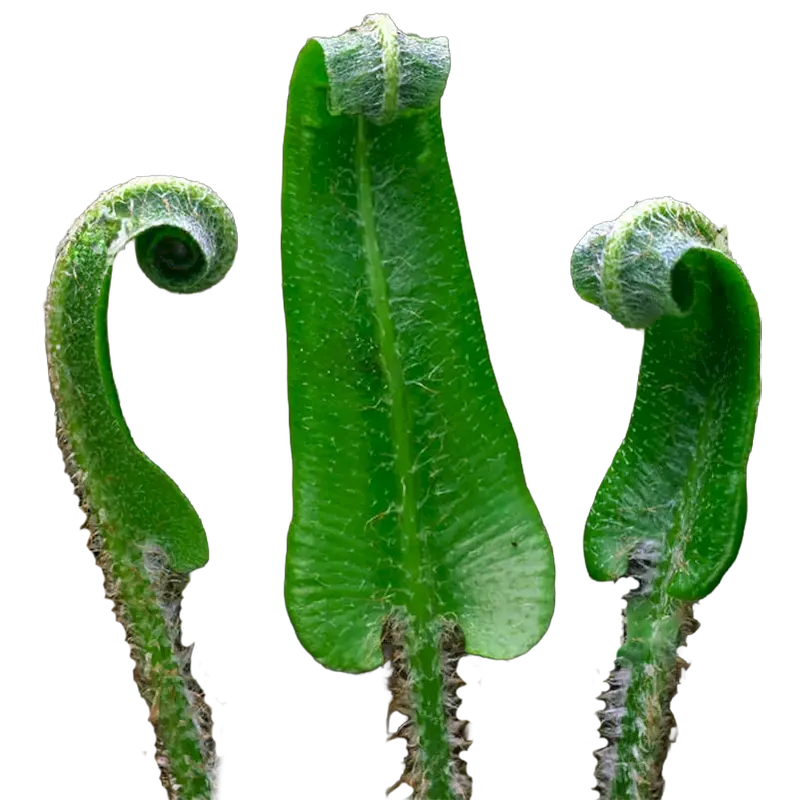
Hartstongue, scientifically known as Scolopendrium vulgare, is a type of fern that belongs to the Polypodiaceae family. It is native to Europe and is known for its distinctive long, tongue-shaped fronds. While not a traditional medicinal herb, it has been historically used for various purposes. نبات لسان الثور، المعروف علميًا باسم Scolopendrium vulgare، هو نوع من السرخس ينتمي إلى عائلة السرخسيات (Polypodiaceae). موطنه الأصلي أوروبا، ويشتهر بأوراقه الطويلة المميزة التي تشبه اللسان. ورغم أنه ليس من الأعشاب الطبية التقليدية، فقد استُخدم تاريخيًا لأغراض متنوعة.
Categoryالفئة
• Limited medicinal use in traditional remedies
• Potential astringent and soothing effects
• Limited modern research• استخدام طبي محدود في العلاجات التقليدية
• تأثيرات قابضة وملطفة محتملة
• أبحاث حديثة محدودة
Habitatالموطن
Hartstongue can be found in damp, shaded woodlands and is commonly seen in rocky crevices and on limestone outcrops. It prefers calcareous soil. While not typically cultivated for medicinal purposes, the leaves (fronds) of Hartstongue are sometimes used in traditional remedies. The primary part used is the fronds, which may have limited application in herbal medicine. يُمكن العثور على نبات لسان الثور في الغابات الرطبة والمظللة، ويُشاهد بكثرة في الشقوق الصخرية وعلى نتوءات الحجر الجيري. يُفضل هذا النبات التربة الكلسية. ورغم أنه لا يُزرع عادةً لأغراض طبية، إلا أن أوراقه (سعفه) تُستخدم أحيانًا في العلاجات التقليدية. الجزء الأساسي المُستخدم هو السعف، الذي قد يكون له استخدام محدود في الطب العشبي.
Parts usedالأجزاء المستخدمة
• Leaves (Fronds)
• Herbal infusions
• Poultices• الأوراق (السعف)
• منقوعات الأعشاب
• الكمادات
Key constituentsالمكوّنات الفعّالة
• Tannins: notable levels of tannins, contributing to astringent effects in traditional use.
• Flavonoids: quercetin, rutin, kaempferol, kaempferol‑3‑O‑glycoside and luteolin identified in leaf extracts, forming the main flavonoid fraction.
• Phenolic acids: chlorogenic acid and related phenolic acids contributing to antimicrobial and antioxidant activity.
• Other groups: saponins, alkaloids and terpenoids detected qualitatively in extracts, plus fatty acids with palmitic acid predominating among lipids.• التانينات: مستويات ملحوظة من التانينات، تساهم في التأثيرات القابضة في الاستخدام التقليدي.
• الفلافونويدات: تم تحديد الكيرسيتين، والروتين، والكامفيرول، وكامفيرول-3-O-جليكوسيد، واللوتولين في مستخلصات الأوراق، وتشكل الجزء الرئيسي من الفلافونويدات.
• الأحماض الفينولية: يساهم حمض الكلوروجينيك والأحماض الفينولية ذات الصلة في النشاط المضاد للميكروبات ومضادات الأكسدة.
• مجموعات أخرى: تم الكشف نوعيًا عن الصابونينات، والقلويدات، والتربينويدات في المستخلصات، بالإضافة إلى الأحماض الدهنية التي يسود فيها حمض البالمتيك بين الدهون.
Researchالأبحاث
Research on Hartstongue is limited, and it is not a widely used medicinal herb. It has been historically employed in traditional remedies for its potential astringent and soothing effects, but there is limited modern research on its therapeutic properties. الأبحاث حول نبات لسان الثور محدودة، وهو ليس من الأعشاب الطبية الشائعة الاستخدام. وقد استُخدم تاريخياً في العلاجات التقليدية لما له من تأثيرات قابضة وملطفة محتملة، إلا أن الأبحاث الحديثة حول خصائصه العلاجية محدودة.
Traditional useالاستخدام التقليدي
The primary part used in herbal medicine is the leaves (fronds) of Hartstongue, known for their potential astringent and soothing properties. It can be prepared as herbal infusions, poultices, or used in traditional remedies for various purposes.الجزء الأساسي المستخدم في الطب العشبي هو أوراق نبات لسان الثور، المعروفة بخصائصها القابضة والملطفة. ويمكن تحضيرها على شكل مشروبات عشبية، أو كمادات، أو استخدامها في العلاجات التقليدية لأغراض متنوعة.
Current useالاستخدام الحالي
Hartstongue leaves (fronds) can be used to prepare herbal infusions, poultices, or incorporated into traditional remedies. It is historically used for its potential astringent and soothing effects. يمكن استخدام أوراق نبات لسان الثور (السعف) لتحضير مشروبات عشبية، أو كمادات، أو إضافتها إلى العلاجات التقليدية. وقد استُخدمت تاريخياً لخصائصها القابضة والملطفة المحتملة.
Preparationsالتحضيرات
Infusion, Poulticeلبخة, منقوع
Used for these conditionsيُستخدم لهذه الحالات
Adult dosageجرعة البالغين
Dosage recommendations for Hartstongue may vary depending on the intended use and preparation form. It is typically used in appropriate quantities for its limited potential therapeutic effects. قد تختلف توصيات الجرعات لدواء هارتستونغ تبعاً للاستخدام المقصود وشكل التحضير. ويُستخدم عادةً بكميات مناسبة نظراً لتأثيراته العلاجية المحدودة المحتملة.
Child dosageجرعة الأطفال
Hartstongue is not commonly used for medicinal purposes, and dosages are not typically specified for children. Its use in traditional remedies may vary based on traditional knowledge and desired applications. لا يُستخدم نبات لسان الثور عادةً للأغراض الطبية، ولا تُحدد جرعاته للأطفال عادةً. وقد يختلف استخدامه في العلاجات التقليدية بناءً على المعرفة التقليدية والاستخدامات المطلوبة.
Cautionتحذيرات
Hartstongue is generally considered safe when used as directed for its intended purposes, such as in traditional remedies. However, it is not a widely studied medicinal herb, and individual reactions may vary. If you have specific health concerns or are considering its use, it is advisable to consult with a qualified healthcare provider.يُعتبر نبات لسان الثور آمناً بشكل عام عند استخدامه وفقاً للإرشادات وللأغراض المقصودة، كما هو الحال في العلاجات التقليدية. مع ذلك، فهو ليس من الأعشاب الطبية التي خضعت لدراسات واسعة، وقد تختلف ردود الفعل الفردية. إذا كانت لديك مخاوف صحية محددة أو كنت تفكر في استخدامه، يُنصح باستشارة طبيب مختص.