
Introductionمقدّمة
Harmala, scientifically known as Peganum harmala, is a perennial plant native to regions of Asia, the Middle East, and North Africa. It belongs to the Zygophyllaceae family and is known for its traditional and medicinal uses. Harmala has a history of use in various cultures, particularly for its psychoactive properties and potential therapeutic effects.الحرملة، واسمها العلمي Peganum harmala، نبات معمر موطنه الأصلي مناطق في آسيا والشرق الأوسط وشمال أفريقيا. ينتمي إلى الفصيلة الرطراطية (Zygophyllaceae) ويُعرف بفوائده التقليدية والطبية. وللحرملة تاريخ طويل من الاستخدام في ثقافات مختلفة، لا سيما لخصائصها المؤثرة على العقل وتأثيراتها العلاجية المحتملة.
Categoryالفئة
• Potential psychoactive
• Potential antidepressant
• Traditional use for spiritual and medicinal purposes• مادة ذات تأثير نفسي محتمل
• مضاد اكتئاب محتمل
• استخدام تقليدي لأغراض روحية وطبية
Habitatالموطن
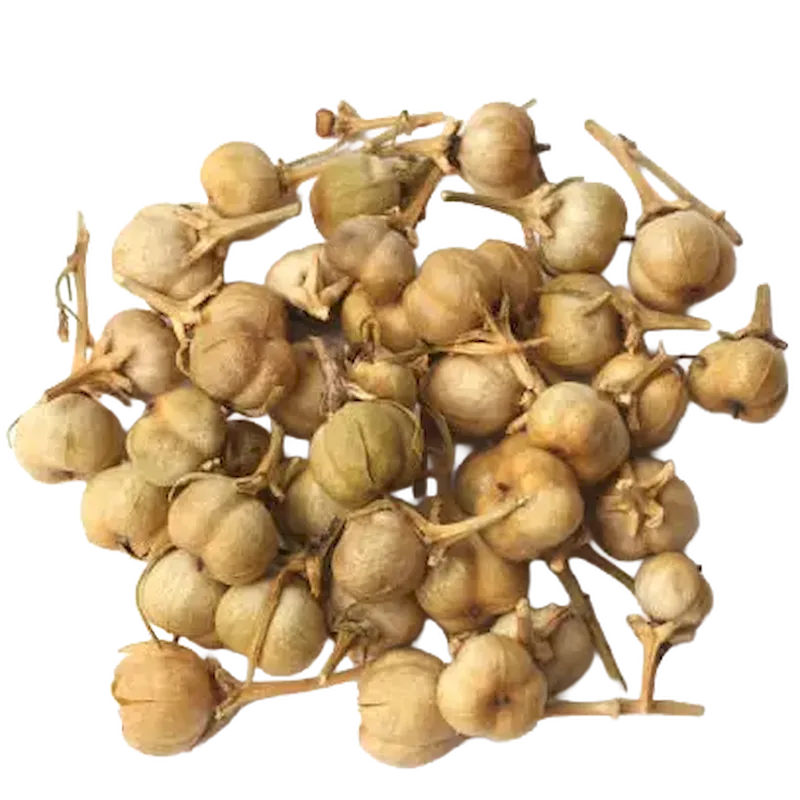
Harmala can be found in arid and semi-arid regions, often in sandy or rocky soils. It is well-adapted to harsh environmental conditions and has been cultivated for various purposes. The seeds, in particular, contain key constituents and are used for their potential medicinal benefits. ينمو نبات الحرمل في المناطق القاحلة وشبه القاحلة، غالباً في التربة الرملية أو الصخرية. وهو نبات متكيف جيداً مع الظروف البيئية القاسية، وقد زُرع لأغراض متنوعة. تحتوي بذوره، على وجه الخصوص، على مكونات أساسية، وتُستخدم لفوائدها الطبية المحتملة.
Parts usedالأجزاء المستخدمة
• Seeds
• Other plant parts depending on traditional practices• البذور
• أجزاء أخرى من النبات حسب الممارسات التقليدية
Key constituentsالمكوّنات الفعّالة
• β‑Carboline (harmala) alkaloids: harmine, harmaline, tetrahydroharmine, harmol, harmalol
• Quinazoline alkaloids: vasicine (peganine), vasicinone, deoxyvasicine (deoxypeganine)
• Other related alkaloids often reported in profiles: norharman (harmane) and additional minor β‑carbolines
• Polyphenols: flavonoids and other phenolic compounds (often reported as a significant fraction alongside alkaloids)
• Tannins: tannin fraction reported in seed/fruit extracts
• Other common plant constituents: carbohydrates and proteins (reported in general phytochemical screening)• قلويدات بيتا-كاربولين (الهرمالا): هارمين، هارمالين، رباعي هيدروهارمين، هارمول، هارمالول
• قلويدات الكينازولين: فاسيسين (بيجانين)، فاسيسينون، ديوكسي فاسيسين (ديوكسي بيجانين)
• قلويدات أخرى ذات صلة غالباً ما يتم الإبلاغ عنها في التحليلات: نورهارمان (هارمان) وقلويدات بيتا-كاربولين ثانوية إضافية
• البوليفينولات: الفلافونويدات ومركبات فينولية أخرى (غالباً ما يتم الإبلاغ عنها كجزء كبير إلى جانب القلويدات)
• التانينات: تم الإبلاغ عن جزء التانين في مستخلصات البذور/الثمار
• مكونات نباتية شائعة أخرى: الكربوهيدرات والبروتينات (تم الإبلاغ عنها في الفحص الكيميائي النباتي العام)
Researchالأبحاث
Research on Harmala has primarily focused on its key constituents, such as harmine and harmaline, and their potential psychoactive and antidepressant properties. It is traditionally used for spiritual and medicinal purposes and has been studied for its therapeutic effects. ركزت الأبحاث حول نبات الحرمل بشكل أساسي على مكوناته الرئيسية، مثل الهارمين والهرمالين، وخصائصها النفسية والمضادة للاكتئاب. ويُستخدم تقليديًا لأغراض روحية وطبية، وقد دُرست آثاره العلاجية.
Published researchأبحاث منشورة
↗ Impact of oral capsule of Peganum harmala on alleviating urinary symptoms in men with benign prostatic hyperplasia; a randomized clinical trial↗ Peganum harmala L.: A Review of Botany, Traditional Use↗ Pharmacological and therapeutic effects of Peganum harmala and its main alkaloidsTraditional useالاستخدام التقليدي
Harmala is used in traditional herbal medicine and various cultural practices, where its seeds and other parts are employed for spiritual, psychoactive, and medicinal purposes. It can be prepared as herbal infusions, tinctures, or used in traditional remedies.يُستخدم نبات الحرمل في الطب العشبي التقليدي وفي العديد من الممارسات الثقافية، حيث تُستخدم بذوره وأجزاؤه الأخرى لأغراض روحية ونفسية وعلاجية. ويمكن تحضيره على شكل مشروبات عشبية أو صبغات، أو استخدامه في العلاجات التقليدية.
Current useالاستخدام الحالي
Harmala seeds are the primary part used for their potential psychoactive and medicinal properties. They can be processed to create herbal infusions, tinctures, or used in traditional remedies for spiritual, psychoactive, and medicinal purposes. تُعدّ بذور الحرمل الجزء الأساسي المستخدم لما لها من خصائص نفسية وطبية محتملة. ويمكن معالجتها لصنع مشروبات عشبية أو صبغات، أو استخدامها في العلاجات التقليدية لأغراض روحية ونفسية وطبية.
Preparationsالتحضيرات
Infusion, Tincture, Whole (Fresh/Dried)خلاصة سائلة, كامل (طازج/مجفف), منقوع
Used for these conditionsيُستخدم لهذه الحالات
Adult dosageجرعة البالغين
Dosage recommendations for Harmala can vary significantly depending on the intended use, traditional practices, and the specific product or remedy. Harmala is known for its potent effects and should be used with great caution. It is advisable to consult with a qualified herbalist or healthcare provider experienced in its use for guidance on therapeutic dosages.تختلف توصيات جرعات الحرمل اختلافًا كبيرًا تبعًا للاستخدام المقصود، والممارسات التقليدية، والمنتج أو العلاج المحدد. يُعرف الحرمل بتأثيراته القوية، لذا يجب استخدامه بحذر شديد. يُنصح باستشارة أخصائي أعشاب مؤهل أو مقدم رعاية صحية ذي خبرة في استخدامه للحصول على إرشادات حول الجرعات العلاجية.
Child dosageجرعة الأطفال
Dosage recommendations for Harmala can vary significantly depending on the intended use, traditional practices, and the specific product or remedy. Harmala is known for its potent effects and should be used with great caution. It is advisable to consult with a qualified herbalist or healthcare provider experienced in its use for guidance on dosages and usage. تختلف توصيات جرعات الحرمل اختلافًا كبيرًا تبعًا للاستخدام المقصود، والممارسات التقليدية، والمنتج أو العلاج المحدد. يُعرف الحرمل بتأثيراته القوية، لذا يجب استخدامه بحذر شديد. يُنصح باستشارة أخصائي أعشاب مؤهل أو مقدم رعاية صحية ذي خبرة في استخدامه للحصول على إرشادات حول الجرعات وطريقة الاستخدام.
Cautionتحذيرات
Harmala alkaloids (harmine, harmaline) are potent reversible MAO-A inhibitors. Do NOT combine with SSRIs/SNRIs, MAOIs, tramadol, dextromethorphan or other serotonergic drugs (risk of serotonin syndrome), with sympathomimetics/stimulants, or with tyramine-rich foods (risk of hypertensive crisis). Overdose causes neurotoxicity (hallucinations, agitation, tremor, seizures), vomiting, bradycardia and hypotension; fatalities have been reported. Not for self-medication.قلويدات الحرمل (الهارمين والهارمالين) مثبطات قوية وقابلة للانعكاس لإنزيم أحادي أمين الأكسيداز (MAO-A). لا تُستخدم مع مضادات الاكتئاب (SSRIs/SNRIs) أو مثبطات MAO أو الترامادول أو الدكستروميثورفان أو الأدوية السيروتونينية الأخرى (خطر المتلازمة السيروتونينية)، ولا مع منبهات الودّي أو الأطعمة الغنية بالتيرامين (خطر نوبة ارتفاع ضغط الدم). تسبب الجرعات الزائدة تسمماً عصبياً (هلوسة، هياج، رعشة، تشنجات) وقيئاً وبطء نبض القلب وانخفاض ضغط الدم، وسُجّلت حالات وفاة. غير مخصص للاستخدام الذاتي.
Pregnancy & nursingالحمل والرضاعة
Strictly contraindicated in pregnancy and breastfeeding. Harmala (Peganum harmala) is a uterine stimulant/abortifacient; its alkaloids (harmine, harmaline) are toxic, and poisonings causing serious maternal harm and fetal loss have been reported. Do not use.يُمنع استخدامه منعاً باتاً أثناء الحمل والرضاعة. الحرمل (Peganum harmala) مُنبّه للرحم ومُجهِض، وقلويداته (الهارمين والهارمالين) سامة، وقد سُجّلت حالات تسمم أضرّت بالأم إضراراً بالغاً وأدت إلى فقدان الجنين. يُمنع استخدامه.