Introductionمقدّمة
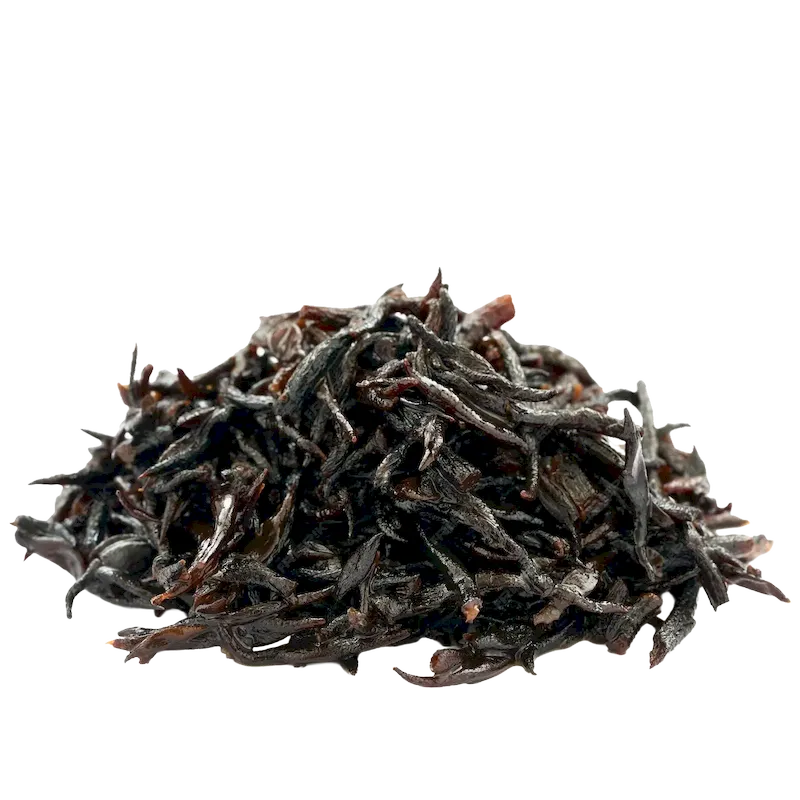
Hai Zao, scientifically known as Sargassum fusiforme, is a type of brown seaweed commonly found in the coastal waters of East Asia, particularly in China, Japan, and Korea. It has been used for centuries in traditional Chinese medicine and is valued for its potential health benefits. هاي زاو، المعروف علمياً باسم Sargassum fusiforme، هو نوع من الطحالب البنية الشائعة في المياه الساحلية لشرق آسيا، وخاصة في الصين واليابان وكوريا. وقد استُخدم لقرون في الطب الصيني التقليدي، ويُقدّر لفوائده الصحية المحتملة.
Categoryالفئة
• Potential anti-obesity effects
• Potential antioxidant and anti-inflammatory effects
• Traditional use for thyroid support• تأثيرات محتملة مضادة للسمنة
• تأثيرات محتملة مضادة للأكسدة والالتهابات
• الاستخدام التقليدي لدعم الغدة الدرقية
Habitatالموطن
Hai Zao thrives in the intertidal zones of rocky coastlines, where it attaches itself to rocks or other substrates. It is often harvested from the wild and can also be cultivated. The primary part used is the entire thallus (the body of the seaweed), which contains various bioactive compounds.يزدهر طحلب هاي زاو في المناطق المدية على السواحل الصخرية، حيث يلتصق بالصخور أو غيرها من الركائز. يُجمع عادةً من البرية، ويمكن زراعته أيضاً. الجزء الأساسي المستخدم هو جسم الطحلب بأكمله، والذي يحتوي على مركبات حيوية متنوعة.
Parts usedالأجزاء المستخدمة
• Entire Thallus
• Decoctions
• Powders• الثالوس الكامل
• مغلي
• مساحيق
Key constituentsالمكوّنات الفعّالة
• Polysaccharides (major fraction): alginic acid (mannuronic + guluronic acids), fucoidan (sulfated L‑fucose–rich heteropolysaccharide) and laminaran (β‑1→3‑glucan), together making up the main acidic, water‑soluble polysaccharides.
• Monosaccharide profile of polysaccharides: high proportions of L‑fucose with galactose, fructose, mannose, xylose, rhamnose and small amounts of glucose, depending on extraction and fraction.
• Polyphenols: phlorotannins (polyphloroglucinol‑based tannins) as the characteristic brown‑algae phenolics.
• • السكريات المتعددة (الجزء الرئيسي): حمض الألجنيك (حمض المانورونيك + حمض الجولورونيك)، والفوكويدان (سكريات متعددة غير متجانسة غنية بالفوكوز-L المكبرت)، واللاميناران (β-1→3-جلوكان)، تشكل مجتمعةً السكريات المتعددة الحمضية الرئيسية القابلة للذوبان في الماء.
• التركيب الأحادي للسكريات المتعددة: نسب عالية من الفوكوز-L مع الجالاكتوز والفركتوز والمانوز والزيلوز والرامنوز وكميات قليلة من الجلوكوز، وذلك حسب طريقة الاستخلاص والجزء المستخلص.
• البوليفينولات: الفلوروتانينات (التانينات القائمة على متعدد الفلوروجلوسينول) هي الفينولات المميزة للطحالب البنية.
• المركبات المحبة للدهون / ذات الوزن الجزيئي المنخفض: تم عزل الستيرولات، والتربينات الأحادية، والمركبات النيتروجينية، والأحماض الدهنية كمستقلبات ثانوية من Sargassum fusiforme.
Researchالأبحاث
Research on Hai Zao has focused on its key constituents, including fucoxanthin, alginate, and fucoidan, and their potential anti-obesity, antioxidant, and anti-inflammatory effects. It is traditionally used in Chinese medicine for thyroid support and various health benefits.ركزت الأبحاث على نبات هاي زاو على مكوناته الرئيسية، بما في ذلك فوكوكسانثين، وألجينات، وفوكويدان، وتأثيراتها المحتملة في مكافحة السمنة، ومضادات الأكسدة، ومضادات الالتهاب. ويُستخدم تقليديًا في الطب الصيني لدعم وظائف الغدة الدرقية ولفوائد صحية متنوعة.
Published researchأبحاث منشورة
↗ Therapeutic and nutraceutical potentials of a brown seaweed Sargassum fusiforme↗ Composition, isolation, purification and biological activities of Sargassum fusiforme polysaccharides↗ A polysaccharide from Sargassum fusiforme protects against immunosuppression in cyclophosphamide-treated miceTraditional useالاستخدام التقليدي
The primary part used in herbal medicine is the entire thallus of Hai Zao, known for its potential therapeutic properties. It can be prepared as decoctions, powders, or incorporated into traditional remedies. يُعدّ جسم نبات هاي زاو بأكمله الجزء الأساسي المستخدم في الطب العشبي، وهو معروف بخصائصه العلاجية المحتملة. ويمكن تحضيره على شكل مغلي أو مسحوق، أو إضافته إلى العلاجات التقليدية.
Current useالاستخدام الحالي
Hai Zao can be used to prepare decoctions, powders, or incorporated into traditional remedies for various purposes. It is traditionally used for thyroid support, weight management, and other potential health benefits. يمكن استخدام نبات هاي زاو لتحضير مغليّات أو مساحيق، أو إضافته إلى العلاجات التقليدية لأغراض متنوعة. ويُستخدم تقليديًا لدعم وظائف الغدة الدرقية، والمساعدة في إدارة الوزن، وغيرها من الفوائد الصحية المحتملة.
Preparationsالتحضيرات
Decoction, Powderمسحوق, مغلي
Used for these conditionsيُستخدم لهذه الحالات
Adult dosageجرعة البالغين
Dosage recommendations for Hai Zao may vary depending on the intended use and preparation form. It is typically used in appropriate quantities for its potential therapeutic effects. قد تختلف توصيات الجرعات لدواء هاي زاو تبعاً للاستخدام المقصود وشكل التحضير. ويُستخدم عادةً بكميات مناسبة لتحقيق فوائده العلاجية المحتملة.
Child dosageجرعة الأطفال
Consult with a qualified herbalist or healthcare provider for appropriate dosages for children based on their age and specific needs. استشر أخصائي أعشاب مؤهل أو مقدم رعاية صحية لتحديد الجرعات المناسبة للأطفال بناءً على أعمارهم واحتياجاتهم الخاصة.
Cautionتحذيرات
Sargassum fusiforme (hijiki) accumulates high levels of inorganic arsenic, a known carcinogen; several food-safety authorities advise against ingesting it. It is also very high in iodine and may disrupt thyroid function (both hyper- and hypothyroidism), so avoid in thyroid disorders and with thyroid medication. Do not use in pregnancy or breastfeeding. Use only under professional guidance.يتراكم في نبات Sargassum fusiforme (الهيجيكي) مستويات عالية من الزرنيخ غير العضوي المسرطن؛ وقد نصحت عدة جهات معنية بسلامة الغذاء بتجنب تناوله. كما أنه غني جدًا باليود وقد يسبب اضطراب وظيفة الغدة الدرقية (فرط أو قصور)، لذا يُتجنب في أمراض الغدة الدرقية ومع أدويتها. لا يُستخدم أثناء الحمل أو الرضاعة. يُستخدم فقط تحت إشراف مختص.
Pregnancy & nursingالحمل والرضاعة
Avoid during pregnancy and breastfeeding due to high inorganic arsenic content and excessive iodine, which can harm fetal/infant thyroid function.يُتجنب أثناء الحمل والرضاعة بسبب ارتفاع محتوى الزرنيخ غير العضوي واليود الزائد، مما قد يضر بوظيفة الغدة الدرقية لدى الجنين/الرضيع.