
Introductionمقدّمة
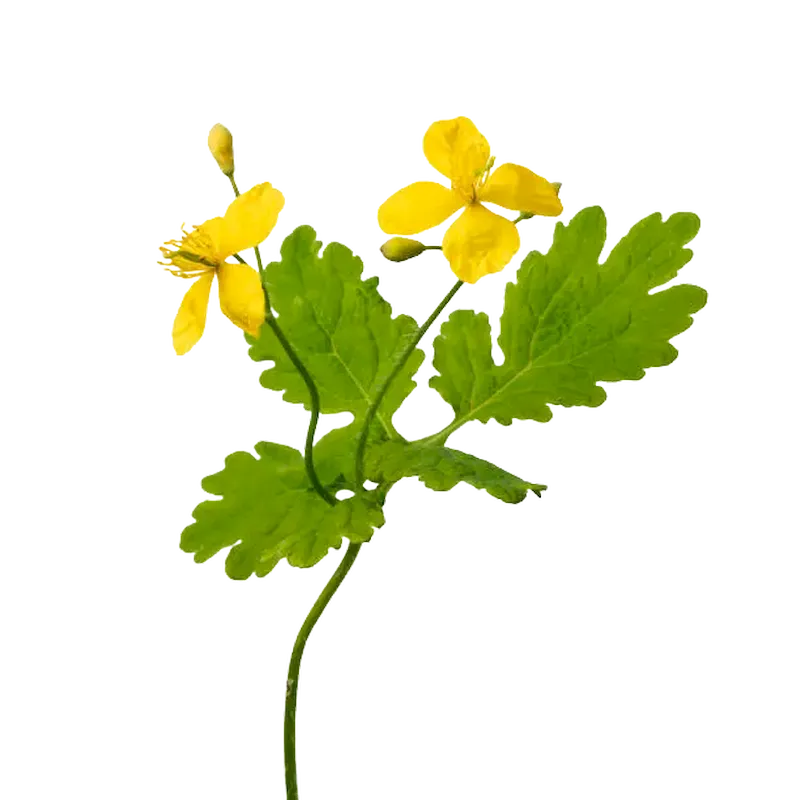
Greater Celandine, scientifically known as Chelidonium majus, is a perennial herbaceous plant native to Europe and Asia. It belongs to the Papaveraceae family and is recognized for its bright yellow sap and distinctive lobed leaves. Greater Celandine has a history of use in traditional herbal medicine and is known for its potential medicinal properties. نبات الخشخاش الكبير، المعروف علميًا باسم Chelidonium majus، هو نبات عشبي معمر موطنه الأصلي أوروبا وآسيا. ينتمي إلى الفصيلة الخشخاشية، ويُعرف بعصارته الصفراء الزاهية وأوراقه المميزة ذات الفصوص. للخشخاش الكبير تاريخ طويل من الاستخدام في الطب العشبي التقليدي، وهو معروف بخصائصه الطبية المحتملة.
Categoryالفئة
Documented risk of idiosyncratic hepatotoxicity (drug-induced liver injury); claimed 'liver-protective' benefit is unproven and is outweighed by the risk of serious liver damage.خطر مُوثّق للسميّة الكبدية الفردية (أذى كبدي دوائي)؛ الفائدة المزعومة في «حماية الكبد» غير مثبتة وتفوقها مخاطر تلف الكبد الخطير.
Habitatالموطن
Greater Celandine can be found in various habitats, including woodlands, meadows, and gardens. It is cultivated in some regions for its potential therapeutic benefits. The plant contains various constituents, including alkaloids such as chelidonine, flavonoids, and saponins, which contribute to its traditional uses. يُمكن العثور على نبات الخشخاش الكبير في بيئات متنوعة، تشمل الغابات والمروج والحدائق. ويُزرع في بعض المناطق لفوائده العلاجية المحتملة. يحتوي النبات على مكونات مختلفة، منها قلويدات مثل الشيليدونين، والفلافونويدات، والصابونينات، التي تُسهم في استخداماته التقليدية.
Parts usedالأجزاء المستخدمة
• Aerial parts (leaves, stems, flowers)
• Sap (latex)• الأجزاء الهوائية (الأوراق، السيقان، الأزهار)
• العصارة (اللاتكس)
Key constituentsالمكوّنات الفعّالة
• Isoquinoline alkaloids (chelidonine ~0.5–1.5%, coptisine, berberine, sanguinarine — antispasmodic, antimicrobial, cytotoxic, analgesic)
• Benzophenanthridine alkaloids (chelerythrine — antimicrobial, anti-inflammatory, toxic)
• Protopine (alkaloid — antispasmodic, sedative)
• Flavonoids (quercetin, rutin — antioxidant, anti-inflammatory)
• Saponins (digestive, expectorant)
• Chelidonic acid (diuretic, cholagogue)
• Latex/sap (yellow-orange — caustic, used for warts topically)
• Caution: Hepatotoxic; supervised use only• قلويدات إيزوكينولين (شيليدونين ~0.5-1.5%، كوبتيسين، بربرين، سانغوينارين - مضاد للتشنج، مضاد للميكروبات، سام للخلايا، مسكن للألم)
• قلويدات بنزوفينانثريدين (شيليريثيرين - مضاد للميكروبات، مضاد للالتهابات، سام)
• بروتوبين (قلويد - مضاد للتشنج، مهدئ)
• فلافونويدات (كيرسيتين، روتين - مضاد للأكسدة، مضاد للالتهابات)
• صابونينات (مُهضمة، مُقشّعة)
• حمض الشيليدونيك (مُدر للبول، مُحفز لإفراز الصفراء)
• اللاتكس/العصارة (أصفر برتقالي - كاوٍ، يُستخدم موضعيًا لعلاج الثآليل)
• تحذير: سام للكبد؛ يُستخدم تحت إشراف طبي فقط
Researchالأبحاث
Research on Greater Celandine has explored its chemical constituents, including alkaloids like chelidonine. It is traditionally used for liver support and for addressing skin conditions. However, limited modern research is available on this herb. استكشفت الأبحاث التي أُجريت على نبات الخشخاش الكبير مكوناته الكيميائية، بما في ذلك القلويدات مثل الشيليدونين. ويُستخدم تقليديًا لدعم وظائف الكبد وعلاج الأمراض الجلدية. ومع ذلك، لا تزال الأبحاث الحديثة المتوفرة حول هذا النبات محدودة.
Published researchأبحاث منشورة
↗ Greater Celandine's Ups and Downs-21 Centuries of Medicinal Uses of Chelidonium majus From the Viewpoint of Today's Pharmacology↗ Chelidonium majus--an integrative review: traditional knowledge versus modern findings↗ [The greater celandine (Chelidonium majus L.)--review of present knowledge]Traditional useالاستخدام التقليدي
Greater Celandine has a history of traditional use in herbal medicine, particularly for liver support and the treatment of skin conditions. It is used both internally and externally for various purposes. The aerial parts of the plant are utilized for their potential therapeutic benefits. يتمتع نبات الخشخاش الكبير بتاريخ طويل من الاستخدام التقليدي في الطب العشبي، وخاصة لدعم وظائف الكبد وعلاج الأمراض الجلدية. ويُستخدم داخليًا وخارجيًا لأغراض متنوعة. وتُستخدم الأجزاء الهوائية من النبات لفوائدها العلاجية المحتملة.
Current useالاستخدام الحالي
Greater Celandine can be prepared as herbal infusions, tinctures, or used topically in various forms, such as creams or ointments. It is employed in traditional remedies for liver support and addressing skin issues, including warts and eczema.يمكن تحضير نبات الخشخاش الكبير على شكل مشروبات عشبية أو صبغات، أو استخدامه موضعياً بأشكال مختلفة، مثل الكريمات أو المراهم. ويُستخدم في العلاجات التقليدية لدعم صحة الكبد ومعالجة مشاكل الجلد، بما في ذلك الثآليل والأكزيما.
Preparationsالتحضيرات
Cream, Infusion, Ointment, Tinctureخلاصة سائلة, كريم, مرهم, منقوع
Used for these conditionsيُستخدم لهذه الحالات
Adult dosageجرعة البالغين
Dosages for Greater Celandine can vary based on the intended use and the specific product or remedy used. It should be used with caution and under the guidance of a qualified herbalist or healthcare provider. تختلف جرعات نبات الخشخاش الكبير باختلاف الاستخدام المقصود والمنتج أو العلاج المستخدم. لذا، يُنصح باستخدامه بحذر وتحت إشراف أخصائي أعشاب مؤهل أو مقدم رعاية صحية.
Child dosageجرعة الأطفال
Dosages for Greater Celandine can vary based on the intended use and the specific product or remedy used. There are no specific dosages for children, but it should be used with caution and under the guidance of a qualified herbalist or healthcare provider. تختلف جرعات نبات الخشخاش الكبير باختلاف الاستخدام المقصود والمنتج أو العلاج المستخدم. لا توجد جرعات محددة للأطفال، ولكن ينبغي استخدامه بحذر وتحت إشراف أخصائي أعشاب مؤهل أو مقدم رعاية صحية.
Cautionتحذيرات
Greater celandine is hepatotoxic. It has caused numerous cases of acute hepatitis, cholestasis and liver failure (idiosyncratic, not simply dose-related); European regulators have restricted oral products and advise liver-function monitoring. Do not use if you have liver disease, and stop immediately if signs of liver injury appear (jaundice, dark urine, nausea, upper-abdominal pain). Internal use only under qualified medical supervision. Avoid in pregnancy and breastfeeding.نبات الخشخاش الكبير سامّ للكبد. تسبّب في حالات عديدة من التهاب الكبد الحاد والركود الصفراوي والفشل الكبدي (تفاعل فردي لا يعتمد على الجرعة فقط)؛ وقد قيّدت الجهات التنظيمية الأوروبية مستحضراته الفموية وأوصت بمراقبة وظائف الكبد. لا يُستخدم لمن لديه مرض كبدي، ويُوقف فورًا عند ظهور علامات أذى الكبد (اليرقان، البول الداكن، الغثيان، ألم أعلى البطن). لا يُستخدم داخليًا إلا تحت إشراف طبي مختص. يُمنع أثناء الحمل والرضاعة.
Pregnancy & nursingالحمل والرضاعة
Avoid during Pregnancy/Nursingيمنع أثناء الحمل والرضاعة