
Introductionمقدّمة
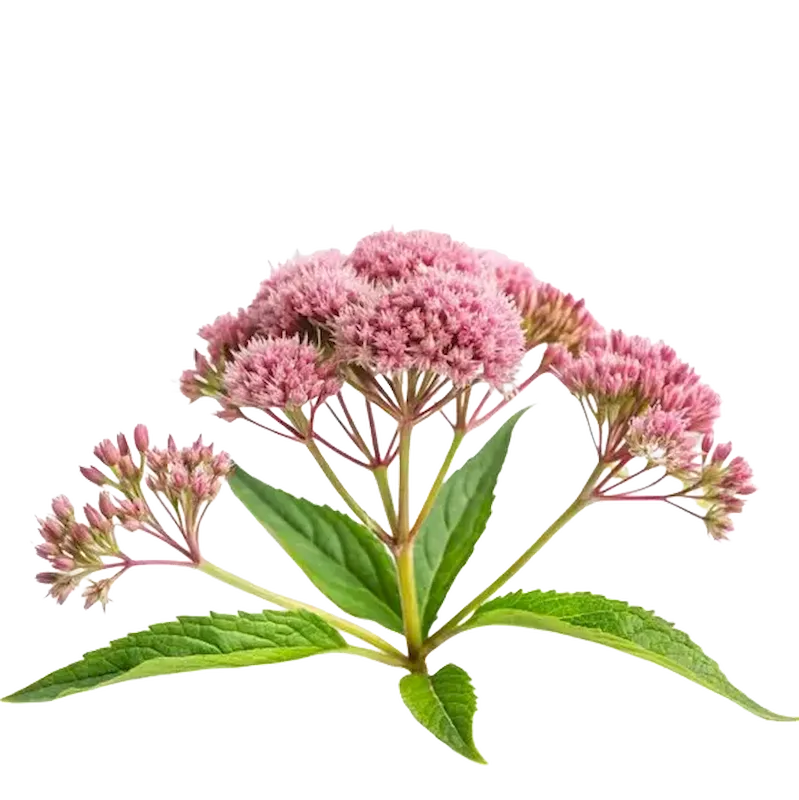
Gravel Root, scientifically known as Eupatorium purpureum, is a flowering plant native to North America. It belongs to the Asteraceae family and is recognized for its traditional medicinal uses. Gravel Root has a history of use in herbal medicine and is appreciated for its potential therapeutic benefits, particularly for the urinary system.جذر الحصى، المعروف علميًا باسم Eupatorium purpureum، هو نبات مزهر موطنه الأصلي أمريكا الشمالية. ينتمي إلى الفصيلة النجمية (Asteraceae) ويُعرف بفوائده الطبية التقليدية. لجذر الحصى تاريخ طويل في الطب العشبي، ويُقدّر لفوائده العلاجية المحتملة، وخاصةً للجهاز البولي.
Categoryالفئة
• Potential diuretic
• Potential urinary tract support
• Traditional use for kidney and bladder health• مدر محتمل للبول
• دعم محتمل للجهاز البولي
• الاستخدام التقليدي لصحة الكلى والمثانة
Habitatالموطن
Gravel Root is commonly found in moist woodlands and meadows in North America. It prefers damp soils and is harvested for its rhizomes and roots, which are known for their potential medicinal properties. Gravel Root is traditionally used to support urinary system health and overall well-being. ينمو نبات جذر الحصى بكثرة في الغابات الرطبة والمروج في أمريكا الشمالية. يفضل هذا النبات التربة الرطبة، ويُحصد من أجل جذوره وسيقانه، المعروفة بخصائصها الطبية المحتملة. يُستخدم جذر الحصى تقليديًا لدعم صحة الجهاز البولي والرفاهية العامة.
Parts usedالأجزاء المستخدمة
• Rhizomes and roots • الجذامير والجذور
Key constituentsالمكوّنات الفعّالة
• Sesquiterpene lactones (eupatoriopicrin)
• Flavonoids (euparin, quercetin, rutin)
• Volatile oils (thymol derivatives)
• Resin (eupurpurin)
• Tannins
• Phenolic compounds
• Terpenoids
• Polysaccharides• لاكتونات السيسكويتربين (يوباتوريوبيكرين)
• الفلافونويدات (يوبارين، كيرسيتين، روتين)
• الزيوت الطيارة (مشتقات الثيمول)
• الراتنج (يوبوربورين)
• التانينات
• المركبات الفينولية
• التربينويدات
• السكريات المتعددة
Researchالأبحاث
Research on Gravel Root has explored its chemical constituents, including euparin and terpenoids, and its potential diuretic and urinary tract support effects. It is traditionally used for kidney and bladder health, but modern research is limited.استكشفت الأبحاث التي أُجريت على نبات جذر الحصى مكوناته الكيميائية، بما في ذلك اليوبارين والتربينويدات، وتأثيراته المحتملة كمدر للبول وداعم للمسالك البولية. ويُستخدم تقليديًا لصحة الكلى والمثانة، إلا أن الأبحاث الحديثة في هذا المجال لا تزال محدودة.
Published researchأبحاث منشورة
↗ Chemical Constituents of Plants from the Genus Eupatorium (1904-2014)↗ A review of the toxicosis and biological properties of the genus Eupatorium↗ Potentially toxic pyrrolizidine alkaloids in Eupatorium perfoliatum and three related species. Implications for herbal use as bonesetTraditional useالاستخدام التقليدي
Gravel Root has a history of use in traditional herbal medicine in North America. It is employed for various health concerns, particularly to support the urinary system and overall well-being. The rhizomes and roots are used for their potential therapeutic benefits. يُستخدم جذر الحصى منذ القدم في الطب العشبي التقليدي في أمريكا الشمالية. ويُستخدم لعلاج العديد من المشاكل الصحية، وخاصةً لدعم الجهاز البولي والصحة العامة. كما تُستخدم جذوره وسيقانه لما لها من فوائد علاجية محتملة.
Current useالاستخدام الحالي
The rhizomes and roots of Gravel Root are the primary parts used for their potential medicinal properties. They can be prepared as herbal infusions, tinctures, or included in traditional remedies for urinary tract support and kidney health. تُعدّ جذور وسيقان نبات الحصى الأجزاء الرئيسية المستخدمة لخصائصها الطبية المحتملة. ويمكن تحضيرها على شكل مشروبات عشبية أو صبغات، أو إضافتها إلى العلاجات التقليدية لدعم صحة المسالك البولية والكلى.
Preparationsالتحضيرات
Infusion, Tinctureخلاصة سائلة, منقوع
Used for these conditionsيُستخدم لهذه الحالات
Adult dosageجرعة البالغين
Dosage recommendations for Gravel Root may vary depending on the specific product or remedy. It is commonly used in traditional herbal preparations for urinary tract support and kidney health. Consult with a qualified herbalist or healthcare provider for guidance on dosages and usage.قد تختلف توصيات الجرعات لجذر الحصى باختلاف المنتج أو العلاج المحدد. يُستخدم عادةً في المستحضرات العشبية التقليدية لدعم صحة المسالك البولية والكلى. استشر أخصائي أعشاب مؤهلاً أو مقدم رعاية صحية للحصول على إرشادات حول الجرعات وطريقة الاستخدام.
Child dosageجرعة الأطفال
Dosage recommendations for Gravel Root may vary depending on the specific product or remedy. It is commonly used in traditional herbal preparations for urinary tract support and kidney health. Consult with a qualified herbalist or healthcare provider for guidance on dosages and usage.قد تختلف توصيات الجرعات لجذر الحصى باختلاف المنتج أو العلاج المحدد. يُستخدم عادةً في المستحضرات العشبية التقليدية لدعم صحة المسالك البولية والكلى. استشر أخصائي أعشاب مؤهلاً أو مقدم رعاية صحية للحصول على إرشادات حول الجرعات وطريقة الاستخدام.
Cautionتحذيرات
CAUTION — potential liver toxicity. Gravel Root contains pyrrolizidine alkaloids that can accumulate and cause serious, sometimes irreversible liver damage (veno-occlusive disease). Avoid prolonged or repeated use, do not exceed short-term use, and avoid entirely in liver disease or with other hepatotoxic drugs/herbs. Not recommended for children.تحذير — احتمال سُمّية كبدية. يحتوي جذر الحصى على قلويدات بيروليزيدينية قد تتراكم وتُسبّب تلفًا كبديًا خطيرًا وأحيانًا غير قابل للعكس (مرض انسداد الأوردة الكبدية). تجنّب الاستخدام المطوّل أو المتكرر، ولا تتجاوز الاستخدام قصير الأمد، وتجنّبه تمامًا في أمراض الكبد أو مع أدوية/أعشاب سامة للكبد. لا يُنصح به للأطفال.
Pregnancy & nursingالحمل والرضاعة
Contraindicated in pregnancy and breastfeeding. Gravel Root contains hepatotoxic pyrrolizidine alkaloids that can cross the placenta and pass into breast milk, causing liver damage; it should not be used at any stage of pregnancy or while nursing.يُمنع استخدامه أثناء الحمل والرضاعة. يحتوي جذر الحصى على قلويدات بيروليزيدينية سامة للكبد يمكن أن تعبر المشيمة وتنتقل إلى حليب الأم مُسبّبةً تلف الكبد؛ لا يُستخدم في أي مرحلة من الحمل أو أثناء الإرضاع.