
Introductionمقدّمة
Gou Teng, scientifically known as Uncaria rhynchophylla, is a woody vine belonging to the Rubiaceae family. It is recognized for its potential medicinal properties, particularly in traditional Chinese medicine (TCM) and other herbal systems. نبات غو تينغ، المعروف علمياً باسم أونكاريا رينكوفيلا، هو نبات متسلق خشبي ينتمي إلى الفصيلة الفوية. وهو معروف بخصائصه الطبية المحتملة، لا سيما في الطب الصيني التقليدي وأنظمة الطب العشبي الأخرى.
Categoryالفئة
• Traditional use for calming the liver
• Potential sedative and antihypertensive effects
• Research on neurological and cardiovascular health• الاستخدام التقليدي لتهدئة الكبد
• التأثيرات المحتملة كمهدئ وخافض لضغط الدم
• أبحاث حول الصحة العصبية والقلبية الوعائية
Habitatالموطن
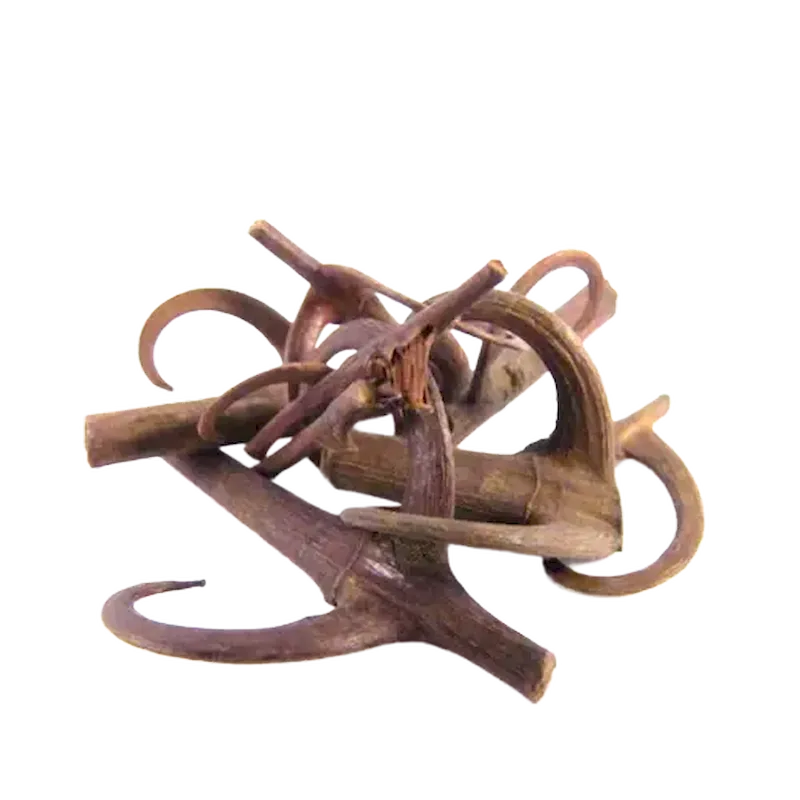
Gou Teng is native to East Asia and can be found in various regions, including China and Japan. It typically grows in forests and mountainous areas. Different parts of the plant, such as the stems and hooks, are used for their potential therapeutic benefits. نبات غو تينغ موطنه الأصلي شرق آسيا، ويمكن العثور عليه في مناطق مختلفة، بما في ذلك الصين واليابان. وينمو عادةً في الغابات والمناطق الجبلية. وتُستخدم أجزاء مختلفة من النبات، مثل السيقان والخطافات، لفوائدها العلاجية المحتملة.
Parts usedالأجزاء المستخدمة
• Stems
• Hooks• سيقان
• خطافات
Key constituentsالمكوّنات الفعّالة
• Indole and oxindole alkaloids (major actives): especially rhynchophylline and isorhynchophylline (often the most abundant), with corynoxeine, isocorynoxeine, hirsutine, hirsuteine and related heteroyohimbine/oxindole alkaloids forming the main characteristic group.
• Other secondary metabolites: triterpenes and triterpene esters (e.g., uncarinic acids and other oleanane/ursane derivatives), flavonoids, iridoid and megastigmane glycosides, chlorogenic‑acid–type phenylpropanoids and benzoic‑acid derivatives as minor but documented constituents.• قلويدات الإندول والأوكسيندول (المواد الفعالة الرئيسية): وخاصة الرينكوفيلين والإيزورينكوفيلين (غالباً الأكثر وفرة)، مع الكورينوكسين، والإيزوكورينوكسين، والهيرسوتين، والهيرسوتين، وقلويدات الهيترويوهيمبين/الأوكسيندول ذات الصلة التي تشكل المجموعة المميزة الرئيسية.
• مستقلبات ثانوية أخرى: التريتربينات وإسترات التريتربين (مثل أحماض الأنكارينيك ومشتقات الأوليانان/الأورساني الأخرى)، والفلافونويدات، وجليكوسيدات الإيريدويد والميغاستيغمان، وفينيل بروبانويدات من نوع حمض الكلوروجينيك، ومشتقات حمض البنزويك كمكونات ثانوية ولكن موثقة.
Researchالأبحاث
Research on Gou Teng has explored its alkaloids, including rhynchophylline, and their potential effects on neurological and cardiovascular health. It is traditionally used in TCM for calming the liver and has potential sedative and antihypertensive properties. استكشفت الأبحاث التي أُجريت على نبات غو تينغ قلويداته، بما في ذلك الرينكوفيلين، وتأثيراتها المحتملة على صحة الجهاز العصبي والقلب والأوعية الدموية. ويُستخدم تقليديًا في الطب الصيني التقليدي لتهدئة الكبد، وله خصائص مهدئة وخافضة لضغط الدم.
Traditional useالاستخدام التقليدي
Gou Teng is traditionally used in TCM and other herbal systems for its calming effects on the liver. Different parts of the plant, including the stems and hooks, are utilized in traditional remedies. It is valued for its potential benefits in addressing liver-related conditions.يُستخدم نبات غو تينغ تقليديًا في الطب الصيني التقليدي وأنظمة الأعشاب الأخرى لتأثيراته المهدئة على الكبد. وتُستخدم أجزاء مختلفة من النبات، بما في ذلك السيقان والأغصان، في العلاجات التقليدية. ويُقدّر هذا النبات لفوائده المحتملة في علاج أمراض الكبد.
Current useالاستخدام الحالي
Gou Teng can be prepared as herbal decoctions, tinctures, or incorporated into traditional herbal formulas. Its uses may vary based on traditional knowledge and desired applications. It is traditionally used for liver support and calming properties. يمكن تحضير نبات غو تينغ على شكل مغليّات عشبية أو صبغات، أو إضافته إلى تركيبات عشبية تقليدية. وتختلف استخداماته باختلاف المعارف التقليدية والاستخدامات المرغوبة. ويُستخدم تقليديًا لدعم وظائف الكبد ولخصائصه المهدئة.
Preparationsالتحضيرات
Decoction, Tinctureخلاصة سائلة, مغلي
Used for these conditionsيُستخدم لهذه الحالات
Adult dosageجرعة البالغين
Dosage recommendations for Gou Teng may vary depending on the specific traditional remedy and individual needs. It is typically used in appropriate quantities for the intended purpose, such as in TCM formulations for liver support. قد تختلف توصيات الجرعات لدواء غو تينغ تبعاً للعلاج التقليدي المحدد والاحتياجات الفردية. ويُستخدم عادةً بكميات مناسبة للغرض المقصود، كما هو الحال في تركيبات الطب الصيني التقليدي لدعم وظائف الكبد.
Child dosageجرعة الأطفال
Consult a qualified herbalist or healthcare provider for appropriate dosages for children. استشر أخصائي أعشاب مؤهل أو مقدم رعاية صحية لتحديد الجرعات المناسبة للأطفال.
Cautionتحذيرات
Because Gou Teng can lower blood pressure and has sedative effects, use caution if you take blood-pressure-lowering medication (risk of additive hypotension) or sedatives/CNS depressants. Prolonged high-heat decoction degrades its active alkaloids. Consult a qualified practitioner before combining with medications.بما أن غو تنغ قد يخفض ضغط الدم وله تأثير مهدّئ، يُستخدم بحذر مع أدوية خفض الضغط (خطر انخفاض الضغط المتراكم) أو المهدئات ومثبطات الجهاز العصبي المركزي. كما أن الغلي المطوّل بحرارة عالية يُتلف قلويداته الفعّالة. استشر ممارساً مؤهلاً قبل الجمع مع الأدوية.