
Introductionمقدّمة
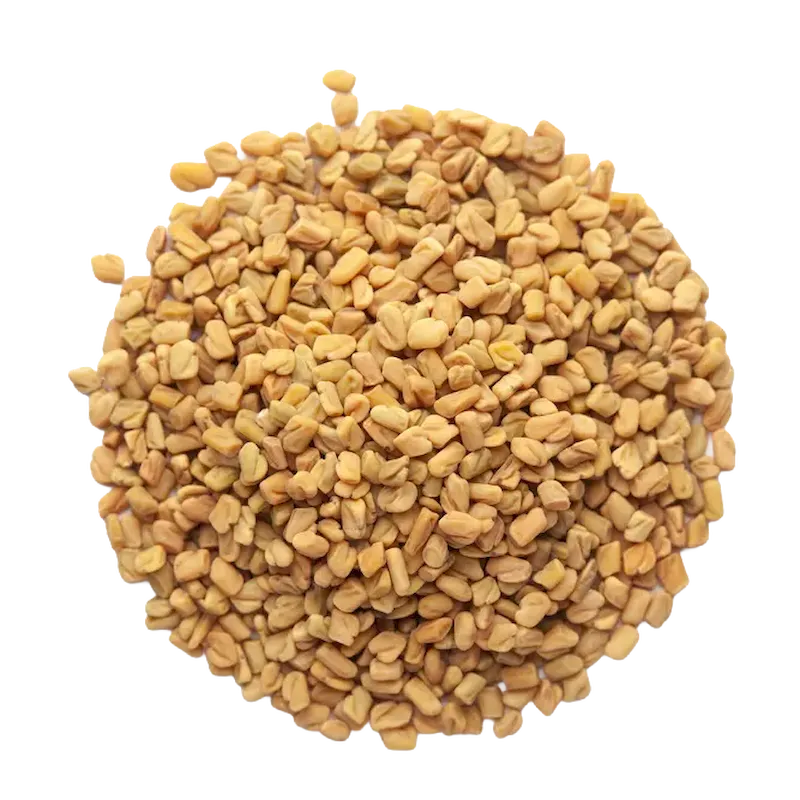
Fenugreek, scientifically known as Trigonella foenum-graecum, is an annual herb belonging to the Fabaceae family. It is native to the Mediterranean region and is renowned for its culinary and potential medicinal uses. Fenugreek seeds are particularly prized for their diverse applications. الحلبة، واسمها العلمي Trigonella foenum-graecum، هي عشبة حولية تنتمي إلى الفصيلة البقولية. موطنها الأصلي منطقة البحر الأبيض المتوسط، وتشتهر بفوائدها في الطهي واستخداماتها الطبية المحتملة. وتُعتبر بذور الحلبة ذات قيمة خاصة لتعدد استخداماتها.
Categoryالفئة
• Potential support for digestive health
• Traditional use for lactation support and blood sugar management
• Limited modern research• دعم محتمل لصحة الجهاز الهضمي
• استخدام تقليدي لدعم الرضاعة الطبيعية وتنظيم مستوى السكر في الدم
• أبحاث حديثة محدودة
Habitatالموطن
Fenugreek thrives in regions with a Mediterranean climate but is also cultivated in various parts of the world. It prefers well-drained soil and is grown primarily for its seeds, which are rich in key constituents. The key constituents of Fenugreek seeds include saponins, alkaloids, and flavonoids. يزدهر الحلبة في المناطق ذات المناخ المتوسطي، كما يُزرع في أنحاء متفرقة من العالم. يُفضل الحلبة التربة جيدة التصريف، ويُزرع أساسًا لبذوره الغنية بالعناصر الغذائية الأساسية، ومنها الصابونين والقلويدات والفلافونويدات.
Parts usedالأجزاء المستخدمة
• Seeds
• Leaves
• Roots• البذور
• الأوراق
• الجذور
Key constituentsالمكوّنات الفعّالة
• Major macronutrient fractions: 45–60% carbohydrates dominated by galactomannan mucilaginous fiber, 20–30% protein with a favorable amino‑acid profile (including 4‑hydroxyisoleucine), and 5–10% fixed oils (lipids).
• Steroidal saponins: particularly diosgenin‑type sapogenins (diosgenin being the characteristic steroidal saponin), together with yamogenin and tigogenin derivatives.
• Alkaloids: trigonelline as the major alkaloid, plus trimethylamine, neurine, choline, gentianine, carpaine and others.
• Other phytochemicals and nutrients: flavonoids (apigenin, orientin, luteolin and others), nicotinic acid, tannins, vitamins and minerals.• المكونات الغذائية الرئيسية: 45-60% كربوهيدرات، غالبيتها ألياف غالاكتومانان المخاطية، 20-30% بروتين ذو تركيبة أحماض أمينية ملائمة (بما في ذلك 4-هيدروكسي إيزولوسين)، و5-10% زيوت ثابتة (دهون).
• صابونينات ستيرويدية: وخاصة صابونينات من نوع ديوسجينين (ديوسجينين هو الصابونين الستيرويدي المميز)، بالإضافة إلى مشتقات ياموجينين وتيغوجينين.
• قلويدات: تريغونيلين هو القلويد الرئيسي، بالإضافة إلى ثلاثي ميثيل أمين، نيورين، كولين، جنتيانين، كاربين، وغيرها.
• مواد كيميائية نباتية ومغذيات أخرى: فلافونويدات (أبيجينين، أورينتين، لوتولين، وغيرها)، حمض النيكوتينيك، تانينات، فيتامينات، ومعادن.
Researchالأبحاث
Research on Fenugreek has explored its key constituents, including saponins, alkaloids, and flavonoids. It is traditionally associated with potential benefits for digestive health, lactation support, and blood sugar management. However, there is limited modern research on its specific therapeutic properties.استكشفت الأبحاث المتعلقة بالحلبة مكوناتها الرئيسية، بما في ذلك الصابونين والقلويدات والفلافونويدات. وترتبط تقليديًا بفوائد محتملة لصحة الجهاز الهضمي، ودعم الرضاعة، وتنظيم مستوى السكر في الدم. ومع ذلك، لا تزال الأبحاث الحديثة حول خصائصها العلاجية المحددة محدودة.
Published researchأبحاث منشورة
↗ The effects of fenugreek (Trigonella foenum-graecum) seed on glycemic parameters: An updated systematic review and meta-analysis of randomized controlled trials↗ The Effect of Fenugreek in Type 2 Diabetes and Prediabetes: A Systematic Review and Meta-Analysis of Randomized Controlled Trials↗ Effect of fenugreek (Trigonella foenum-graecum L.) intake on glycemia: a meta-analysis of clinical trialsTraditional useالاستخدام التقليدي
Various parts of the Fenugreek plant are utilized for their culinary and medicinal purposes, with the seeds being the most commonly used. It is known for its traditional use in promoting digestive health, supporting lactation in nursing mothers, and assisting with blood sugar management. تُستخدم أجزاء مختلفة من نبات الحلبة لأغراض الطهي والطب، وتُعد البذور أكثرها استخدامًا. وهي معروفة باستخدامها التقليدي في تعزيز صحة الجهاز الهضمي، ودعم إدرار الحليب لدى الأمهات المرضعات، والمساعدة في تنظيم مستوى السكر في الدم.
Current useالاستخدام الحالي
Fenugreek seeds can be used in culinary dishes, herbal infusions, tinctures, or incorporated into traditional remedies. Its uses vary based on traditional knowledge and desired applications. It is traditionally used for enhancing the flavor of dishes and supporting various aspects of health. يمكن استخدام بذور الحلبة في الطهي، أو تحضير المشروبات العشبية، أو الصبغات، أو إضافتها إلى العلاجات التقليدية. وتختلف استخداماتها باختلاف المعارف التقليدية والاستخدامات المرغوبة. وتُستخدم تقليديًا لتحسين نكهة الأطباق ودعم جوانب صحية متعددة.
Preparationsالتحضيرات
Culinary, Infusion, Tincture, Whole (Fresh/Dried)خلاصة سائلة, طهي, كامل (طازج/مجفف), منقوع
Used for these conditionsيُستخدم لهذه الحالات
Adult dosageجرعة البالغين
Dosage recommendations for Fenugreek may vary based on the specific product or remedy. It is typically used in appropriate quantities for the intended culinary or therapeutic purpose. Consult with a qualified herbalist or healthcare provider for guidance on therapeutic dosages. قد تختلف توصيات جرعات الحلبة باختلاف المنتج أو العلاج المحدد. وعادةً ما تُستخدم بكميات مناسبة للغرض المقصود، سواءً كان طهيًا أو علاجًا. استشر أخصائي أعشاب مؤهلًا أو مقدم رعاية صحية للحصول على إرشادات بشأن الجرعات العلاجية.
Child dosageجرعة الأطفال
Dosages for Fenugreek may vary depending on the intended use and preparation form. It is advisable to consult with a qualified herbalist or healthcare provider for guidance on dosages and usage.قد تختلف جرعات الحلبة باختلاف الاستخدام المقصود وطريقة التحضير. يُنصح باستشارة أخصائي أعشاب مؤهل أو مقدم رعاية صحية للحصول على إرشادات بشأن الجرعات وطريقة الاستخدام.
Cautionتحذيرات
Fenugreek can lower blood sugar; used with insulin or antidiabetic medicines it may cause additive hypoglycemia, so monitor blood glucose. It may enhance the effect of anticoagulant/antiplatelet drugs. As a legume it can cross-react in people allergic to peanuts or chickpeas and has caused allergic reactions. Avoid therapeutic doses in pregnancy.قد تخفّض الحلبة مستوى السكر في الدم؛ وعند استخدامها مع الإنسولين أو أدوية السكري قد تسبّب هبوطًا إضافيًا في السكر، لذا يجب مراقبة مستوى الجلوكوز. وقد تعزّز تأثير أدوية منع التخثّر/مضادات الصفيحات. وبما أنها من البقوليات فقد تسبّب تفاعلًا تحسسيًا لدى من لديهم حساسية من الفول السوداني أو الحمّص، وقد سُجّلت تفاعلات تحسسية. تجنّبي الجرعات العلاجية أثناء الحمل.
Pregnancy & nursingالحمل والرضاعة
Avoid medicinal/therapeutic doses during pregnancy; fenugreek can stimulate uterine contractions (traditionally used to induce labor). Normal culinary use is generally acceptable. It may be used as a galactagogue during breastfeeding only under professional guidance.تجنّبي الجرعات الطبية/العلاجية أثناء الحمل؛ فالحلبة قد تحفّز تقلصات الرحم (تُستخدم تقليديًا لتحفيز الولادة). أما الاستخدام في الطهي بالكميات المعتادة فيُعدّ مقبولًا عمومًا. ويمكن استخدامها لإدرار الحليب أثناء الرضاعة فقط تحت إشراف مختص.