
Introductionمقدّمة
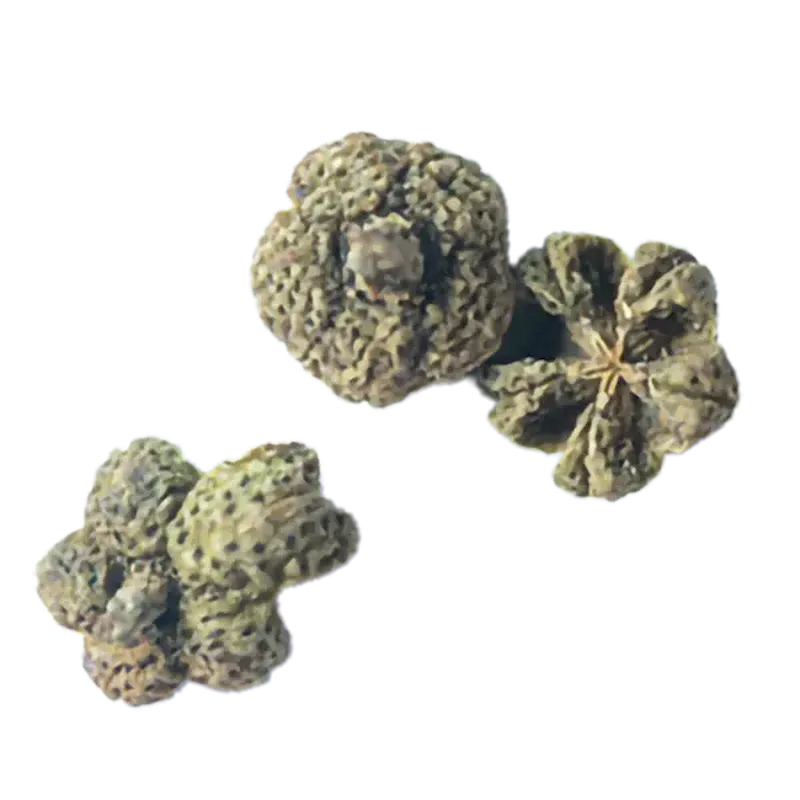
Evodia, scientifically known as Evodia rutaecarpa, is a medicinal herb native to East Asia. It belongs to the Rutaceae family and is recognized for its traditional uses in herbal medicine. Evodia has a history of use and is appreciated for its potential therapeutic benefits, particularly for digestive health and overall well-being.نبات الإيفوديا، المعروف علميًا باسم Evodia rutaecarpa، هو عشب طبي موطنه الأصلي شرق آسيا. ينتمي إلى الفصيلة السذابية (Rutaceae) ويُعرف باستخداماته التقليدية في الطب العشبي. للإيفوديا تاريخ طويل من الاستخدام، وهي تحظى بتقدير كبير لفوائدها العلاجية المحتملة، لا سيما لصحة الجهاز الهضمي والصحة العامة.
Categoryالفئة
• Potential digestive aid
• Potential anti-inflammatory
• Traditional use for gastrointestinal issues• مُساعد محتمل للهضم
• مُضاد محتمل للالتهابات
• استخدام تقليدي لمشاكل الجهاز الهضمي
Habitatالموطن
Evodia plants can be found in various regions of East Asia, including China and Japan. They thrive in temperate climates and are cultivated for their fruit, which is known for its potential medicinal properties. Evodia is traditionally used to support digestive health and promote general well-being. تنتشر نباتات الإيفوديا في مناطق مختلفة من شرق آسيا، بما في ذلك الصين واليابان. وتزدهر في المناخات المعتدلة، وتُزرع من أجل ثمارها المعروفة بخصائصها الطبية المحتملة. ويُستخدم الإيفوديا تقليديًا لدعم صحة الجهاز الهضمي وتعزيز الصحة العامة.
Parts usedالأجزاء المستخدمة
• Fruit • فاكهة
Key constituentsالمكوّنات الفعّالة
• Quinolone alkaloids (evodiamine, rutaecarpine, dehydroevodiamine)
• Indoloquinazoline alkaloids (evocarpine)
• Limonoids (limonin, evodin)
• Flavonoids (quercetin, rutin)
• Essential oils (β-pinene, limonene, myrcene)
• Terpenoids
• Phenolic compounds
• Coumarins• قلويدات الكينولون (إيفوديامين، روتايكاربين، ديهيدروإيفوديامين)
• قلويدات الإندولوكينازولين (إيفوكاربين)
• الليمونويدات (ليمونين، إيفودين)
• الفلافونويدات (كيرسيتين، روتين)
• الزيوت العطرية (بيتا-بينين، ليمونين، ميرسين)
• التربينويدات
• المركبات الفينولية
• الكومارين
Researchالأبحاث
Research on Evodia has explored its chemical constituents, including quinolone alkaloids, flavonoids, and terpenoids, and its potential as a digestive aid and anti-inflammatory agent. It is traditionally used for various gastrointestinal issues, but modern research is ongoing. استكشفت الأبحاث التي أُجريت على نبات الإيفوديا مكوناته الكيميائية، بما في ذلك قلويدات الكينولون والفلافونويدات والتربينويدات، وإمكاناته كمُساعد للهضم ومضاد للالتهابات. يُستخدم تقليديًا لعلاج مشاكل الجهاز الهضمي المختلفة، لكن الأبحاث الحديثة لا تزال جارية.
Published researchأبحاث منشورة
↗ Tetradium ruticarpum: Traditional uses, phytochemistry, pharmacology↗ Processing and Polyherbal Formulation of Tetradium ruticarpum (A. Juss.) Hartley: Phytochemistry, Pharmacokinetics, and Toxicity↗ Chemical Investigation of Tetradium ruticarpum Fruits and Their Antibacterial Activity against Helicobacter pyloriTraditional useالاستخدام التقليدي
Evodia has a long history of use in traditional herbal medicine in East Asia. It is employed for various health concerns, particularly to support digestive health and overall wellness. The fruit of Evodia is used for its potential therapeutic benefits. لنبات الإيفوديا تاريخ طويل في الطب العشبي التقليدي في شرق آسيا. ويُستخدم لعلاج العديد من المشاكل الصحية، وخاصةً لدعم صحة الجهاز الهضمي والصحة العامة. كما تُستخدم ثمار الإيفوديا لفوائدها العلاجية المحتملة.
Current useالاستخدام الحالي
The fruit of Evodia is the primary part used for its potential medicinal properties. It can be prepared as herbal infusions, tinctures, or included in traditional remedies for digestive support. تُعدّ ثمرة نبات الإيفوديا الجزء الأساسي المستخدم لخصائصها الطبية المحتملة. ويمكن تحضيرها على شكل مشروبات عشبية أو صبغات، أو إضافتها إلى العلاجات التقليدية لدعم صحة الجهاز الهضمي.
Preparationsالتحضيرات
Infusion, Tincture, Whole (Fresh/Dried)خلاصة سائلة, كامل (طازج/مجفف), منقوع
Used for these conditionsيُستخدم لهذه الحالات
Adult dosageجرعة البالغين
Dosage recommendations for Evodia may vary depending on the specific product or remedy. It is commonly used in traditional herbal preparations for digestive support and general wellness. Consult with a qualified herbalist or healthcare provider for guidance on dosages and usage.قد تختلف توصيات الجرعات لنبات الإيفوديا باختلاف المنتج أو العلاج المحدد. يُستخدم عادةً في المستحضرات العشبية التقليدية لدعم الجهاز الهضمي وتعزيز الصحة العامة. استشر أخصائي أعشاب مؤهلاً أو مقدم رعاية صحية للحصول على إرشادات حول الجرعات وطريقة الاستخدام.
Child dosageجرعة الأطفال
Dosage recommendations for Evodia may vary depending on the specific product or remedy. It is commonly used in traditional herbal preparations for digestive support and general wellness. Consult with a qualified herbalist or healthcare provider for guidance on dosages and usage.قد تختلف توصيات الجرعات لنبات الإيفوديا باختلاف المنتج أو العلاج المحدد. يُستخدم عادةً في المستحضرات العشبية التقليدية لدعم الجهاز الهضمي وتعزيز الصحة العامة. استشر أخصائي أعشاب مؤهلاً أو مقدم رعاية صحية للحصول على إرشادات حول الجرعات وطريقة الاستخدام.
Cautionتحذيرات
Use short-term and in low doses only. Evodia is mildly toxic and its alkaloids (evodiamine, rutaecarpine) can stress the liver at high or prolonged doses. Rutaecarpine alters liver drug-metabolising enzymes (especially CYP1A2), which can change the effect of caffeine, theophylline, paracetamol (acetaminophen) and other medicines — separate use and consult a professional if you take prescription drugs.يُستخدم لفترة قصيرة وبجرعات منخفضة فقط. الإيفوديا سام بشكل طفيف، وقد تُجهد قلويداته (إيفوديامين، روتايكاربين) الكبد عند الجرعات العالية أو المطوّلة. يُغيّر الروتايكاربين إنزيمات استقلاب الأدوية في الكبد (خصوصًا CYP1A2)، مما قد يُغيّر تأثير الكافيين والثيوفيلين والباراسيتامول وأدوية أخرى — افصل الاستخدام واستشر مختصًا إذا كنت تتناول أدوية موصوفة.
Pregnancy & nursingالحمل والرضاعة
Avoid during pregnancy and breastfeeding. Evodia (Wu Zhu Yu) is classified as mildly toxic and its safety in pregnancy and lactation has not been established; it should not be used during these periods.يُتجنّب أثناء الحمل والرضاعة. يُصنّف الإيفوديا (وو جو يو) على أنه سام بشكل طفيف ولم تثبت سلامته أثناء الحمل والإرضاع؛ لذا لا يُستخدم في هاتين الفترتين.