
Introductionمقدّمة
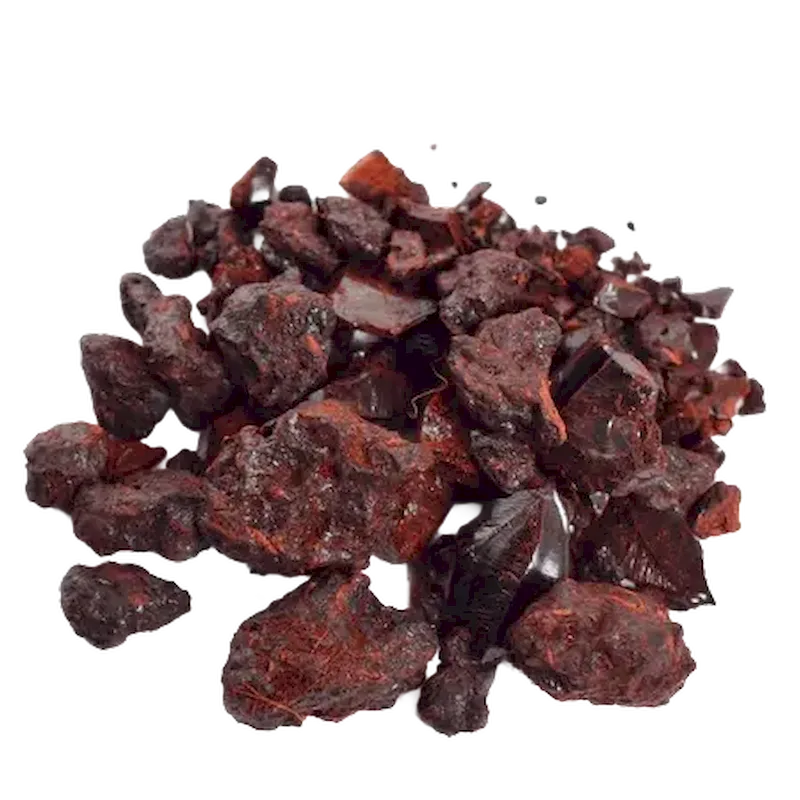
Dragon's Blood is a resin obtained from various species of Croton trees, primarily Croton lechleri. It is recognized for its dark red resin, which has been used traditionally by indigenous cultures in South America for its potential medicinal and ritualistic properties. دم التنين هو راتنج يُستخرج من أنواع مختلفة من أشجار الكروتون، وخاصةً كروتون ليتشيري. ويُعرف بلونه الأحمر الداكن، الذي استخدمته ثقافات السكان الأصليين في أمريكا الجنوبية تقليديًا لخصائصه الطبية والطقوسية المحتملة.
Categoryالفئة
• Potential wound-healing properties
• Traditional use in rituals and ceremonies
• Natural dye• خصائص محتملة في التئام الجروح
• الاستخدام التقليدي في الطقوس والاحتفالات
• صبغة طبيعية
Habitatالموطن
Dragon's Blood is native to tropical regions in South America, including parts of Peru, Ecuador, and Colombia. It is obtained by tapping the resin from Croton trees. Dragon's Blood has been used for traditional purposes, including wound healing and ritual ceremonies. يُعدّ دم التنين نباتًا أصيلًا في المناطق الاستوائية بأمريكا الجنوبية، بما في ذلك أجزاء من بيرو والإكوادور وكولومبيا. ويُستخرج عن طريق استخلاص الراتنج من أشجار الكروتون. وقد استُخدم دم التنين لأغراض تقليدية، منها التئام الجروح والطقوس الدينية.
Parts usedالأجزاء المستخدمة
• Resin
• Powder• راتنج
• مسحوق
Key constituentsالمكوّنات الفعّالة
• Taspine (alkaloid — primary wound-healing active; promotes fibroblast migration)
• Proanthocyanidins (oligomeric tannins — primary antioxidant, antimicrobial; ~80% of phenolics)
• Catechins (procyanidins B1, B4, B5 — antiviral, antioxidant)
• Dimeric proanthocyanidins (type A & B linkages — antidiarrheal)
• Diterpenes (crotofolane, trachylobane-type — anti-tumor, antimicrobial)
• Kaurane diterpenes (casbane derivatives — cytotoxic)
• Lignans (dimethylcedrusine, 3'-O-methylcedrusine — hepatoprotective)
• Flavonoids (quercetin, kaempferol, luteolin — anti-inflammatory, antioxidant)
• Phenolic acids (gallic acid, caffeic acid, ellagic acid — antioxidant, antimicrobial)
• Saponins (triterpenoid saponins — antimicrobial, anti-inflammatory)
• Alkaloids (trace; diverse types — bioactive)
• Resins (complex resin matrix — wound-sealing, antimicrobial)
• Minerals (calcium, iron, potassium, zinc — trace)• تاسبين (قلويد - المادة الفعالة الرئيسية في التئام الجروح؛ يعزز هجرة الخلايا الليفية)
• بروانثوسيانيدينات (تانينات قليلة الوحدات - مضادات أكسدة ومضادات ميكروبات رئيسية؛ حوالي 80% من المركبات الفينولية)
• كاتشينات (بروسيانيدينات B1، B4، B5 - مضادات فيروسات ومضادات أكسدة)
• بروانثوسيانيدينات ثنائية الوحدات (روابط من النوع A وB - مضادات إسهال)
• ثنائيات التربين (كروتوفولان، من نوع تراشيلوبان - مضادات أورام ومضادات ميكروبات)
• ثنائيات تربين الكاوران (مشتقات الكاسبان - سامة للخلايا)
• ليغنانات (ثنائي ميثيل سيدروسين، 3'-O-ميثيل سيدروسين - واقيات للكبد)
• فلافونويدات (كيرسيتين، كامفيرول، لوتولين - مضادات التهاب ومضادات أكسدة)
• أحماض فينولية (حمض الغاليك، حمض الكافيين، حمض الإيلاجيك - مضادات أكسدة ومضادات ميكروبات)
• صابونينات (صابونينات ثلاثية التربينويد) (مضاد للميكروبات، مضاد للالتهابات)
• القلويدات (كميات ضئيلة؛ أنواع متنوعة - نشطة بيولوجيًا)
• الراتنجات (مصفوفة راتنجية معقدة - إغلاق الجروح، مضاد للميكروبات)
• المعادن (الكالسيوم، الحديد، البوتاسيوم، الزنك - كميات ضئيلة)
Researchالأبحاث
Research on Dragon's Blood has primarily focused on its chemical constituents and potential wound-healing properties. It has been used traditionally for wound care and as a natural dye for various purposes. ركزت الأبحاث على نبات دم التنين بشكل أساسي على مكوناته الكيميائية وخصائصه المحتملة في التئام الجروح. وقد استُخدم تقليديًا للعناية بالجروح وكصبغة طبيعية لأغراض متنوعة.
Published researchأبحاث منشورة
↗ Efficacy of Dragon's blood cream on wound healing: A randomized, double-blind, placebo-controlled clinical trial↗ A Review on Phytochemistry and Recent Pharmacology of Dragon's Blood (Croton lechleri), a Multifunctional Ethnomedicinal Resource from the Amazon Forest↗ Review of sangre de drago (Croton lechleri)--a South AmericanTraditional useالاستخدام التقليدي
Dragon's Blood has a long history of use among indigenous cultures in South America, where it is employed for various health and ritualistic purposes. It is available as a resin, powder, or incorporated into traditional remedies. يتمتع دم التنين بتاريخ طويل من الاستخدام بين ثقافات السكان الأصليين في أمريكا الجنوبية، حيث يُستخدم لأغراض صحية وطقوسية متنوعة. وهو متوفر على شكل راتنج أو مسحوق أو يُضاف إلى العلاجات التقليدية.
Current useالاستخدام الحالي
Dragon's Blood resin can be used topically for wound care, as well as for its potential ritualistic and dyeing purposes. It can be prepared as a tincture or incorporated into traditional remedies. يمكن استخدام راتنج دم التنين موضعياً للعناية بالجروح، فضلاً عن استخدامه المحتمل في الطقوس والصبغ. ويمكن تحضيره على شكل صبغة أو إضافته إلى العلاجات التقليدية.
Preparationsالتحضيرات
Powder, Tinctureخلاصة سائلة, مسحوق
Used for these conditionsيُستخدم لهذه الحالات
Adult dosageجرعة البالغين
Dosage recommendations for Dragon's Blood may vary based on the specific product or remedy. When used topically for wound care, apply as needed to cover the affected area. Follow traditional practices and guidelines for ritualistic or dyeing purposes. قد تختلف توصيات الجرعة لدم التنين باختلاف المنتج أو العلاج المحدد. عند استخدامه موضعيًا للعناية بالجروح، يُوضع حسب الحاجة لتغطية المنطقة المصابة. اتبع الممارسات والإرشادات التقليدية لأغراض الطقوس أو الصباغة.
Child dosageجرعة الأطفال
Dosage recommendations for Dragon's Blood may vary depending on the specific use. When used topically for wound care, it is typically applied as needed to cover the affected area. For ritualistic or dyeing purposes, follow traditional practices and guidelines.قد تختلف توصيات جرعة دم التنين باختلاف الاستخدام المحدد. عند استخدامه موضعيًا للعناية بالجروح، يُوضع عادةً حسب الحاجة لتغطية المنطقة المصابة. أما لأغراض الطقوس أو الصباغة، فيُرجى اتباع الممارسات والإرشادات التقليدية.
Cautionتحذيرات
Dragon's Blood is generally considered safe when used externally for wound care or ritualistic purposes. However, as with any substance, individual reactions may vary. Avoid contact with eyes and mucous membranes. If irritation occurs, discontinue use. Pregnant or breastfeeding individuals should consult a healthcare provider before use. يُعتبر دم التنين آمنًا بشكل عام عند استخدامه خارجيًا للعناية بالجروح أو لأغراض طقوسية. مع ذلك، وكما هو الحال مع أي مادة، قد تختلف ردود الفعل الفردية. تجنب ملامسته للعينين والأغشية المخاطية. في حال حدوث تهيج، توقف عن الاستخدام. يجب على الحوامل والمرضعات استشارة الطبيب قبل الاستخدام.
Pregnancy & nursingالحمل والرضاعة
Avoid during Pregnancy/Nursingيمنع أثناء الحمل والرضاعة