
Introductionمقدّمة
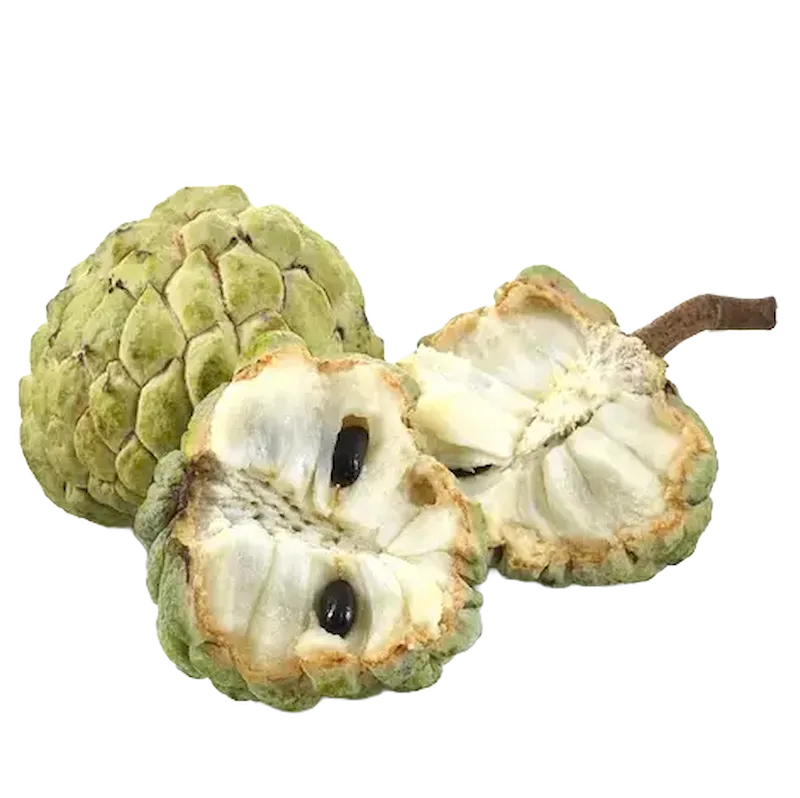
Custard Apple, scientifically known as Annona reticulata, is a tropical fruit tree native to the Americas and is now cultivated in various tropical regions worldwide. It is known for its sweet and creamy fruit, which is consumed fresh. The tree produces fruit with a green, scaly exterior and soft, white, or yellowish flesh. القشطة، واسمها العلمي Annona reticulata، هي شجرة فاكهة استوائية موطنها الأصلي الأمريكتان، وتُزرع الآن في مناطق استوائية مختلفة حول العالم. تشتهر بثمارها الحلوة الكريمية التي تُستهلك طازجة. تُنتج الشجرة ثمارًا ذات قشرة خارجية خضراء متقشرة ولُبٍّ طري أبيض أو مصفر.
Categoryالفئة
• Potential antioxidant
• Potential anti-inflammatory
• Nutrient-rich
• Culinary use• مضاد أكسدة محتمل
• مضاد التهاب محتمل
• غني بالعناصر الغذائية
• استخدامات الطهي
Habitatالموطن
Custard Apple trees thrive in tropical and subtropical climates. They are cultivated in regions with warm temperatures and well-drained soil. The fruit is harvested when ripe and consumed fresh. تزدهر أشجار القشطة في المناخات الاستوائية وشبه الاستوائية. وتُزرع في المناطق ذات درجات الحرارة الدافئة والتربة جيدة التصريف. تُقطف الثمار عند نضجها وتُستهلك طازجة.
Parts usedالأجزاء المستخدمة
• Fruit pulp • لب الفاكهة
Key constituentsالمكوّنات الفعّالة
• Annonaceous acetogenins (bullatacinone, squamocin, annonacinone — potent cytotoxic, antitumor, pesticidal)
• Alkaloids (reticuline, liriodenine — antimicrobial, antiprotozoal)
• Flavonoids (quercetin, kaempferol — antioxidant, anti-inflammatory)
• Tannins (~5–10% bark — astringent, antimicrobial)
• Saponins (~1–3% — anti-inflammatory)
• Phenolic acids (caffeic acid, ferulic acid — antioxidant)
• Vitamins (vitamin C, vitamin B6, thiamine — nutritive)
• Minerals (potassium, calcium, iron, magnesium — nutritive)• أسيتوجينينات الأنوناسيا (بولاتاسينون، سكواموسين، أنوناسينون - مواد سامة للخلايا، مضادة للأورام، مبيدة للحشرات)
• قلويدات (ريتيكولين، ليرودينين - مضادات للميكروبات، مضادات للأوليات)
• فلافونويدات (كيرسيتين، كامفيرول - مضادات للأكسدة، مضادات للالتهابات)
• تانينات (حوالي 5-10% من اللحاء - قابضة، مضادة للميكروبات)
• صابونينات (حوالي 1-3% - مضادة للالتهابات)
• أحماض فينولية (حمض الكافيين، حمض الفيروليك - مضادات للأكسدة)
• فيتامينات (فيتامين ج، فيتامين ب6، ثيامين - مغذية)
• معادن (بوتاسيوم، كالسيوم، حديد، مغنيسيوم - مغذية)
Researchالأبحاث
Research on Custard Apple has primarily focused on its potential antioxidant and anti-inflammatory properties. It is mainly consumed fresh as a delicious and nutrient-rich fruit. ركزت الأبحاث حول فاكهة القشطة بشكل أساسي على خصائصها المضادة للأكسدة والالتهابات. وتُستهلك عادةً طازجة كفاكهة لذيذة وغنية بالعناصر الغذائية.
Published researchأبحاث منشورة
↗ Annona reticulata Linn. (Bullock's heart): Plant profile, phytochemistry and pharmacological properties↗ In vitro antiproliferative activity of Annona reticulata roots on human cancer cell lines↗ Unveiling Annona Reticulata's Bioactive Arsenal for Enhanced Antibiotic EffectsTraditional useالاستخدام التقليدي
Traditionally, the fruit pulp of Custard Apple is consumed fresh as a tropical fruit. It is known for its sweet and creamy taste and is enjoyed as a dessert or snack. تقليدياً، يُستهلك لب ثمرة القشطة طازجاً كفاكهة استوائية. وهي معروفة بمذاقها الحلو والكريمي، وتُستمتع بها كحلوى أو وجبة خفيفة.
Current useالاستخدام الحالي
Custard Apple is primarily consumed fresh. It can be eaten as is, used in smoothies, desserts, or incorporated into various culinary dishes.يُستهلك فاكهة القشطة طازجة في المقام الأول. ويمكن تناولها كما هي، أو استخدامها في العصائر والحلويات، أو إضافتها إلى أطباق طهي متنوعة.
Preparationsالتحضيرات
Culinary, Whole (Fresh/Dried)طهي, كامل (طازج/مجفف)
Used for these conditionsيُستخدم لهذه الحالات
Adult dosageجرعة البالغين
Custard Apple is generally consumed as a fruit in appropriate quantities. There are no specific dosage recommendations, as it is enjoyed as part of a balanced diet. تُستهلك فاكهة القشطة عموماً كفاكهة بكميات مناسبة. لا توجد توصيات محددة للجرعة، إذ تُتناول كجزء من نظام غذائي متوازن.
Child dosageجرعة الأطفال
Custard Apple is consumed in appropriate quantities as a delicious tropical fruit. There are no specific dosage recommendations for this fruit, as it is typically eaten based on individual preferences and dietary choices. تُستهلك فاكهة القشطة بكميات مناسبة كفاكهة استوائية لذيذة. لا توجد توصيات محددة بشأن الجرعة الموصى بها لهذه الفاكهة، إذ يُستهلك عادةً بناءً على التفضيلات الشخصية والخيارات الغذائية.
Cautionتحذيرات
Only the ripe fruit pulp should be eaten. The seeds, bark and leaves are toxic: crushed seeds are a strong eye and skin irritant (can cause severe conjunctivitis/keratitis) and are used as an insecticide — never swallow the seeds. The fruit contains annonaceous acetogenins (e.g., annonacin) which are neurotoxic; chronic heavy consumption of Annona fruit has been associated with atypical parkinsonism, so eat only in moderation. Those allergic to Annonaceae should avoid.يجب تناول لبّ الثمرة الناضجة فقط. أما البذور واللحاء والأوراق فسامة: البذور المسحوقة مهيّجة قوية للعين والجلد (قد تسبب التهاب ملتحمة/قرنية شديدًا) وتُستخدم كمبيد حشري — لا تبتلع البذور أبدًا. تحتوي الثمرة على أسيتوجينينات الأنوناسيا (مثل الأنوناسين) وهي سامة للأعصاب؛ وقد ارتبط الإفراط المزمن في تناول ثمار الأنونا بشلل رعاش غير نمطي، لذا تُؤكل باعتدال فقط. يُتجنّب عند وجود حساسية للفصيلة القشطية.