
Introductionمقدّمة
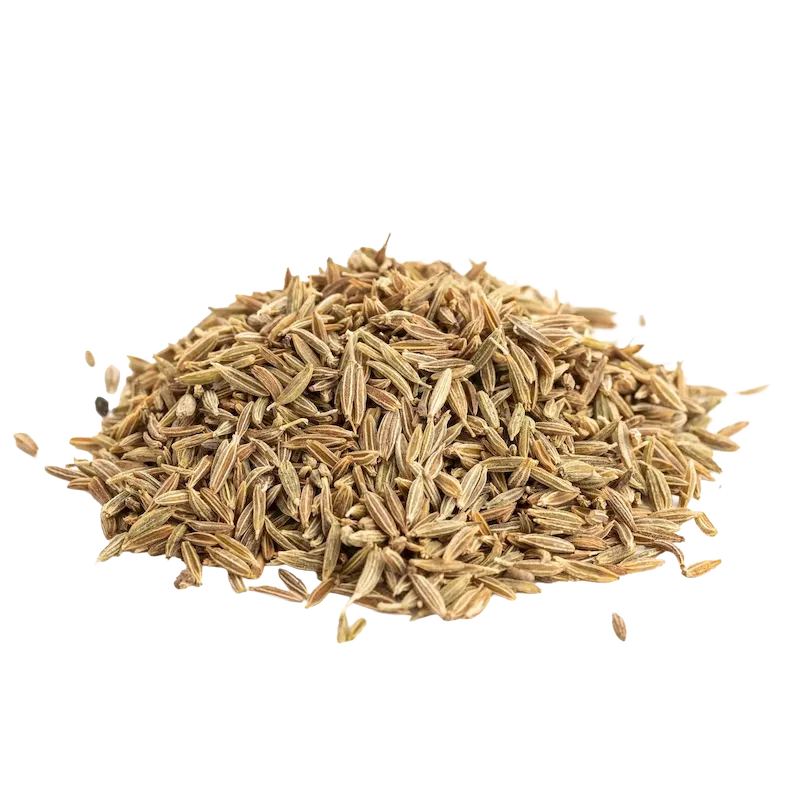
Cumin, scientifically known as Cuminum cyminum, is an aromatic annual herb native to regions in the eastern Mediterranean and South Asia. It is well-known for its seeds, which are commonly used as a spice in culinary dishes and also offer potential medicinal benefits.الكمون، المعروف علمياً باسم Cuminum cyminum، هو عشب عطري حولي موطنه الأصلي مناطق شرق البحر الأبيض المتوسط وجنوب آسيا. ويشتهر ببذوره التي تُستخدم عادةً كتوابل في الأطباق، كما أنها تتمتع بفوائد طبية محتملة.
Categoryالفئة
• Digestive aid
• Potential anti-inflammatory
• Traditional use for digestive health• مُساعد للهضم
• مضاد محتمل للالتهابات
• الاستخدام التقليدي لصحة الجهاز الهضمي
Habitatالموطن
Cumin is widely cultivated in various regions, including the Mediterranean, Middle East, and parts of Asia. It prefers well-drained soil and is primarily grown for its seeds. Cumin seeds are highly valued for their culinary uses and potential health benefits. يُزرع الكمون على نطاق واسع في مناطق مختلفة، بما في ذلك حوض البحر الأبيض المتوسط والشرق الأوسط وأجزاء من آسيا. ويفضل التربة جيدة التصريف، ويُزرع في المقام الأول من أجل بذوره. تحظى بذور الكمون بتقدير كبير لاستخداماتها في الطهي وفوائدها الصحية المحتملة.
Parts usedالأجزاء المستخدمة
• Seeds • بذور
Key constituentsالمكوّنات الفعّالة
• Cuminaldehyde (primary aldehyde — ~25–45% EO; antibacterial, antifungal, antidiabetic)
• Gamma-terpinene (monoterpene — ~10–25% EO; antioxidant)
• Beta-pinene (monoterpene — ~8–15% EO; antimicrobial)
• p-Cymene (monoterpene — anti-inflammatory, antimicrobial)
• Cuminol (cuminaldehyde hydrate — aromatic, antibacterial)
• Cuminic acid (carboxylic acid — antimicrobial)
• Safranal (volatile aldehyde — trace; aromatic)
• Flavonoids (apigenin, luteolin, quercetin, kaempferol — anti-inflammatory, antioxidant)
• Phenolic acids (caffeic acid, ferulic acid, p-coumaric acid — antioxidant)
• Fatty acids (seed oil: linoleic acid ~55%; oleic acid ~25%; palmitic acid ~12%)
• Phytosterols (beta-sitosterol — cholesterol-lowering)
• Terpinen-4-ol (monoterpene alcohol — antimicrobial)
• Vitamins (vitamin C; B vitamins; vitamin E — trace)
• Minerals (iron ~66 mg/100g; calcium; magnesium; potassium; zinc — nutritive)• كومينالدهيد (ألدهيد أساسي - حوالي 25-45% من الزيت العطري؛ مضاد للبكتيريا، مضاد للفطريات، مضاد لداء السكري)
• جاما-تربينين (أحادي التربين - حوالي 10-25% من الزيت العطري؛ مضاد للأكسدة)
• بيتا-بينين (أحادي التربين - حوالي 8-15% من الزيت العطري؛ مضاد للميكروبات)
• بارا-سيمين (أحادي التربين - مضاد للالتهابات، مضاد للميكروبات)
• كومينول (هيدرات كومينالدهيد - عطري، مضاد للبكتيريا)
• حمض الكومينيك (حمض كربوكسيلي - مضاد للميكروبات)
• سافرنال (ألدهيد متطاير - كمية ضئيلة؛ عطري)
• فلافونويدات (أبيجينين، لوتولين، كيرسيتين، كامفيرول - مضاد للالتهابات، مضاد للأكسدة)
• أحماض فينولية (حمض الكافيين، حمض الفيروليك، حمض الكوماريك - مضاد للأكسدة)
• أحماض دهنية (زيت البذور: حمض اللينوليك حوالي 55%؛ حمض الأوليك) حوالي ٢٥٪؛ حمض البالمتيك حوالي ١٢٪)
• فيتوستيرولات (بيتا سيتوستيرول - خافض للكوليسترول)
• تربينين-٤-أول (كحول أحادي التربين - مضاد للميكروبات)
• فيتامينات (فيتامين ج؛ فيتامينات ب؛ فيتامين هـ - كميات ضئيلة)
• معادن (حديد حوالي ٦٦ ملغ/١٠٠ غ؛ كالسيوم؛ مغنيسيوم؛ بوتاسيوم؛ زنك - مغذي)
Researchالأبحاث
Research on cumin has explored its chemical constituents, including cuminaldehyde and essential oils, and their potential digestive and anti-inflammatory effects. It is traditionally used for digestive health and as a culinary spice. استكشفت الأبحاث التي أُجريت على الكمون مكوناته الكيميائية، بما في ذلك الكومينالدهيد والزيوت العطرية، وتأثيراته المحتملة على الهضم ومضادات الالتهاب. ويُستخدم الكمون تقليديًا لتحسين صحة الجهاز الهضمي وكبهار في الطهي.
Published researchأبحاث منشورة
↗ Efficacy of Cuminum Cyminum supplementation on lipid profile and anthropometric parameters: A systematic review and meta-analysis of randomized controlled clinical trials↗ The effects of Cuminum cyminum on glycemic parameters: A systematic review and meta-analysis of controlled clinical trials↗ Effect of cumin powder on body composition and lipid profile in overweight and obese womenTraditional useالاستخدام التقليدي
Cumin has a long history of use in culinary traditions worldwide, where its seeds are used to flavor a variety of dishes. It is also employed in traditional medicine for digestive support and other health applications. للكمون تاريخ طويل من الاستخدام في تقاليد الطهي حول العالم، حيث تُستخدم بذوره لإضفاء نكهة مميزة على العديد من الأطباق. كما يُستخدم في الطب التقليدي لدعم صحة الجهاز الهضمي ولأغراض صحية أخرى.
Current useالاستخدام الحالي
Cumin seeds are the primary part used for their culinary and potential medicinal properties. They can be ground into spice blends, used in cooking, or prepared as herbal teas for digestive support. تُعدّ بذور الكمون الجزء الأساسي المستخدم لخصائصها الغذائية والطبية المحتملة. ويمكن طحنها لإضافتها إلى خلطات التوابل، أو استخدامها في الطبخ، أو تحضيرها كشاي أعشاب لدعم الهضم.
Preparationsالتحضيرات
Culinary, Tea, Whole (Fresh/Dried)شاي, طهي, كامل (طازج/مجفف)
Used for these conditionsيُستخدم لهذه الحالات
Adult dosageجرعة البالغين
Dosage recommendations for cumin seeds in culinary dishes may vary based on individual preferences and recipes. For medicinal use, follow the guidance provided by a qualified herbalist or healthcare provider for appropriate dosages. قد تختلف توصيات جرعات بذور الكمون في الأطباق بناءً على التفضيلات الشخصية والوصفات. أما للاستخدام الطبي، فيُرجى اتباع إرشادات أخصائي أعشاب مؤهل أو مقدم رعاية صحية لتحديد الجرعات المناسبة.
Child dosageجرعة الأطفال
Dosage recommendations for cumin seeds may vary depending on the culinary or medicinal use. In culinary applications, cumin is typically used to suit individual preferences and recipes. For medicinal use, cumin seeds can be prepared as herbal teas or incorporated into remedies as directed by a qualified herbalist or healthcare provider.قد تختلف توصيات جرعات بذور الكمون تبعًا للاستخدام في الطهي أو العلاج. في الطهي، يُستخدم الكمون عادةً بما يتناسب مع الأذواق الشخصية والوصفات. أما في العلاج، فيمكن تحضير بذور الكمون كشاي أعشاب أو إضافتها إلى العلاجات وفقًا لتوجيهات أخصائي أعشاب مؤهل أو مقدم رعاية صحية.
Cautionتحذيرات
Cumin is generally considered safe for culinary use and as a traditional remedy for digestive health. However, some individuals may be sensitive or allergic to cumin or related plants. If you have known allergies or sensitivities, use with caution. Pregnant or breastfeeding individuals can include cumin in their diet but should consult a healthcare provider if using it for medicinal purposes. يُعتبر الكمون آمناً بشكل عام للاستخدام في الطهي وكعلاج تقليدي لصحة الجهاز الهضمي. مع ذلك، قد يكون لدى بعض الأشخاص حساسية تجاه الكمون أو النباتات ذات الصلة. لذا، يُنصح باستخدامه بحذر في حال وجود حساسية معروفة. يمكن للحوامل والمرضعات إضافة الكمون إلى نظامهن الغذائي، ولكن يُنصح باستشارة الطبيب في حال استخدامه لأغراض طبية.
Pregnancy & nursingالحمل والرضاعة
Cumin in normal culinary amounts is considered safe during pregnancy and breastfeeding. Avoid concentrated therapeutic doses of cumin seed extract or essential oil in pregnancy without medical advice.يُعتبر الكمون بالكميات المعتادة في الطهي آمناً أثناء الحمل والرضاعة. ويُتجنّب استخدام الجرعات العلاجية المركّزة من مستخلص بذور الكمون أو زيته العطري أثناء الحمل دون استشارة طبية.