
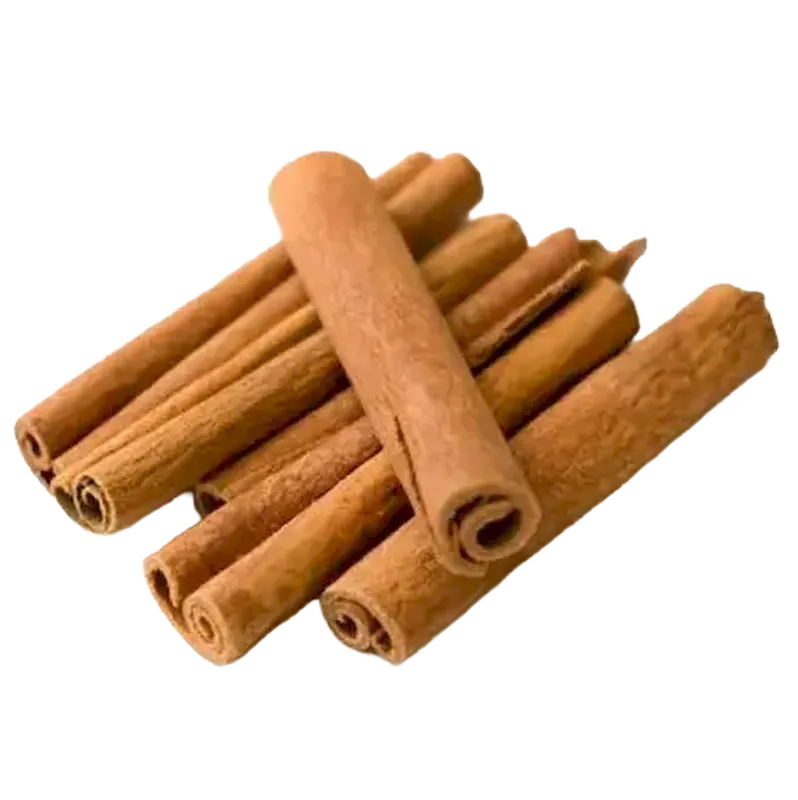
Introductionمقدّمة
Cinnamon, a popular spice, is known for its distinct aroma and numerous health benefits. القرفة، وهي من التوابل الشائعة، معروفة برائحتها المميزة وفوائدها الصحية العديدة.
Categoryالفئة
• Anti-inflammatory
• Antimicrobial
• Antioxidant
• Blood sugar regulation• مضاد للالتهابات
• مضاد للميكروبات
• مضاد للأكسدة
• منظم لسكر الدم
Habitatالموطن
C. verum is native to Sri Lanka, while C. cassia originates from China. Both thrive in warm, tropical climates. يُعدّ نبات C. verum موطنه الأصلي سريلانكا، بينما ينحدر نبات C. cassia من الصين. ويزدهر كلا النوعين في المناخات الدافئة والاستوائية.
Parts usedالأجزاء المستخدمة
• Bark • نباح
Key constituentsالمكوّنات الفعّالة
• Cinnamaldehyde (trans-cinnamaldehyde — primary active, 60–80% of bark essential oil)
• Eugenol (higher in leaf oil)
• Coumarin (in C. cassia — hepatotoxic at high doses)
• Cinnamyl acetate
• Cinnamyl alcohol
• Linalool
• Beta-caryophyllene
• Proanthocyanidins (type-A procyanidins)
• Catechins
• Epicatechins
• Flavonoids (quercetin, kaempferol)
• Diterpenes (cinncassiol A, B, C, D)
• Polysaccharides (water-soluble type-A polymer)
• Calcium
• Manganese• سينامالدهيد (سينامالدهيد المتحول - المادة الفعالة الرئيسية، 60-80% من الزيت العطري للحاء)
• يوجينول (أعلى تركيزًا في زيت الأوراق)
• كومارين (في نبات القرفة الصينية - سام للكبد عند الجرعات العالية)
• أسيتات السيناميل
• كحول السيناميل
• لينالول
• بيتا-كاريوفيلين
• بروانثوسيانيدينات (بروسيانيدينات من النوع أ)
• كاتيكينات
• إبيكاتيكينات
• فلافونويدات (كيرسيتين، كامفيرول)
• ثنائي التربينات (سينكاسيول أ، ب، ج، د)
• عديدات السكاريد (بوليمر قابل للذوبان في الماء من النوع أ)
• كالسيوم
• منغنيز
Researchالأبحاث
Cinnamon research highlights its potential in improving blood sugar control and insulin sensitivity, making it valuable in managing diabetes and metabolic conditions. تسلط الأبحاث حول القرفة الضوء على إمكاناتها في تحسين التحكم في نسبة السكر في الدم وحساسية الأنسولين، مما يجعلها ذات قيمة في إدارة مرض السكري والحالات الأيضية.
Published researchأبحاث منشورة
↗ Cinnamon in glycaemic control: Systematic review and meta analysis↗ Impact of Cassia Bark Consumption on Glucose and Lipid Control in Type 2 Diabetes: An Updated Systematic Review and Meta-Analysis↗ What is the influence of cinnamon supplementation on liver enzymes? A systematic review and meta-analysis of randomized controlled trialsTraditional useالاستخدام التقليدي
Used in traditional medicine for digestive and respiratory ailments. Popular in cooking and as a supplement. يُستخدم في الطب التقليدي لعلاج أمراض الجهاز الهضمي والتنفسي. شائع الاستخدام في الطبخ وكمكمل غذائي.
Current useالاستخدام الحالي
Used as a spice in cooking, and in supplements for health benefits like blood sugar regulation. يستخدم كتوابل في الطبخ، وفي المكملات الغذائية لفوائد صحية مثل تنظيم نسبة السكر في الدم.
Preparationsالتحضيرات
Culinary, Supplementطهي, مكمل غذائي
Used for these conditionsيُستخدم لهذه الحالات
Adult dosageجرعة البالغين
Culinary use as desired; supplements should follow product guidelines. الاستخدام في الطهي حسب الرغبة؛ يجب اتباع إرشادات المنتج فيما يتعلق بالمكملات الغذائية.
Child dosageجرعة الأطفال
Safe in culinary amounts; medicinal dosages should be professional-guided. آمن عند استخدامه بكميات مناسبة للطهي؛ أما الجرعات الطبية فيجب أن تكون تحت إشراف طبي.
Cautionتحذيرات
High or medicinal doses can be harmful. Cassia cinnamon is rich in coumarin, which is hepatotoxic in excess and may add to blood-thinning medicines; avoid high-dose cassia with liver disease or anticoagulants. Medicinal doses may lower blood sugar—monitor if using diabetes medication. Use only culinary amounts in pregnancy.قد تكون الجرعات العالية أو الطبية ضارة. القرفة الصينية غنية بالكومارين السام للكبد بكميات مفرطة وقد يزيد تأثير مميعات الدم؛ يُتجنّب استخدام القرفة الصينية بجرعات عالية مع أمراض الكبد أو مضادات التخثر. قد تخفّض الجرعات الطبية سكر الدم—راقب ذلك عند استخدام أدوية السكري. يُقتصر على كميات الطهي أثناء الحمل.